
Interoception and Healthy Aging: How the Brain Reads the Body
Interoception helps the brain interpret heartbeat, breathing, hunger, and other internal signals. Learn how aging may change this sense and what evidence supports.
Table of Contents
DISCLAIMER
This article is for informational purposes only and does not constitute medical advice. The statements in this article have not been evaluated by the FDA. The information presented is based on published research and should not be used as a substitute for professional medical guidance. Consult your physician before starting any supplement or health protocol.
The body is always sending status reports. The heart stretches with each beat, the lungs change pressure, the stomach expands, temperature shifts, and chemical signals track oxygen, carbon dioxide, hydration, and available energy. Interoception is the nervous system’s process of sensing and interpreting that internal activity.
This sense rarely arrives as a precise instrument reading. It becomes thirst, breathlessness, fullness, nausea, calm, urgency, fatigue, or a vague feeling that something is wrong. Because those experiences influence behavior, researchers are studying how interoception changes across adulthood and whether it contributes to healthy aging.
How Internal Signals Reach Awareness
Receptors in the heart, blood vessels, lungs, digestive tract, skin, and other tissues detect mechanical and chemical change. Signals travel through peripheral nerves and spinal pathways toward the brainstem and higher regions, including the insula and parts of the cingulate and somatosensory cortex.
The brain does not merely receive data. It combines incoming signals with context, memory, expectation, and current goals. A racing heart during exercise may feel appropriate; the same sensation while sitting quietly may feel alarming. This predictive process helps explain why awareness, accuracy, and interpretation are related but distinct.
Researchers sometimes separate interoception into several dimensions. Accuracy refers to performance on a task. Sensibility describes a person’s reported tendency to notice bodily sensations. Awareness can describe insight into whether one’s judgments are correct. Someone can pay close attention to the body without interpreting it accurately.
No single test covers the whole system. Heartbeat detection, breathing resistance, stomach sensations, temperature, and bladder fullness use different pathways. A result from one domain should not be promoted as a universal body-awareness score.
How Aging May Alter the Signal
Studies suggest that performance on some heartbeat-perception tasks declines with age, but findings are mixed and the tasks themselves have limitations. Changes in peripheral receptors, nerve conduction, vascular stiffness, autonomic regulation, attention, and brain processing could all contribute.
The strength of a signal also matters. A quieter signal is harder to distinguish from background activity. Yet stronger is not always healthier: pain, palpitations, or breathlessness can become unusually salient during illness or anxiety. Healthy interoception requires useful calibration, not maximum sensitivity.
Medication and chronic conditions complicate age comparisons. Beta blockers can alter heart-rate sensations. Neuropathy may change bodily feedback. Lung, heart, digestive, endocrine, and neurological disorders can each affect internal signals or their interpretation. Mood and anxiety also influence attention and prediction.
Researchers are interested in whether altered interoception helps explain delayed recognition of thirst, temperature stress, hypoglycemia, or other physiological challenges in some older adults. These are population-level hypotheses, not reasons to assume that an individual cannot recognize their needs.
What Can Support Safer Body Awareness
Mindfulness, paced breathing, yoga, and biofeedback can direct attention toward internal sensations. Studies report benefits for selected symptoms and psychological outcomes, but methods and results vary. Improvement on a questionnaire does not establish that aging in peripheral nerves or brain circuits has been reversed.
Practical awareness can be paired with external safeguards. Regular fluid intake may be more dependable than waiting for intense thirst. Weather information can supplement temperature perception. Glucose monitoring, blood-pressure measurements, or symptom logs may help when recommended by a clinician, but numbers also require context.
New chest pressure, fainting, severe breathlessness, sudden weakness, or other acute symptoms should not be treated as an invitation to meditate and observe. They require appropriate medical assessment. Likewise, persistent digestive, balance, or autonomic symptoms deserve evaluation rather than self-diagnosis through an interoception test.
Interoception shows that healthy aging is partly a communication problem. Organs generate signals, nerves carry them, the brain interprets them, and behavior closes the loop. Research is clarifying how each stage changes over time, while simple habits and clinical guidance remain more useful than a single score.
Frequently Asked Questions
What is interoception?
Is poor heartbeat counting proof of poor interoception?
Can mindfulness reverse interoceptive aging?
Sources
Stay Updated on Longevity Science
Weekly research digests. No spam, unsubscribe anytime.
Related Articles

Ankle Power and Healthy Aging: The Push-Off That Keeps Walking Efficient
Ankle plantar-flexor power supports walking speed and balance recovery. Learn why push-off changes with age and how strength can be trained safely.
9 min read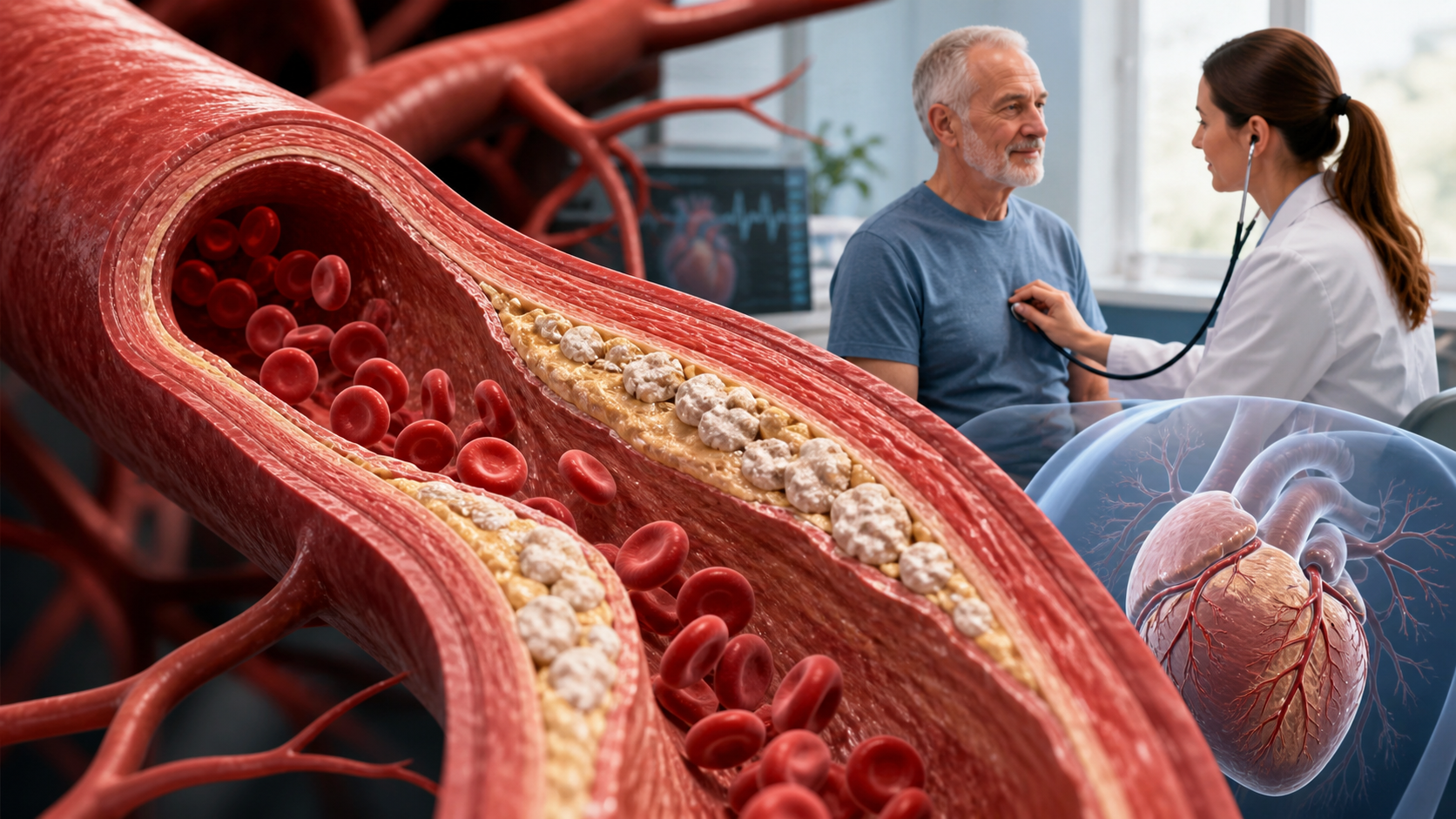
Arterial Calcification and Vascular Aging: Reading the Risk Signals
Arterial calcification can reveal accumulated vascular risk. Learn what calcium scores mean, why calcification develops, and where testing has limits.
10 min read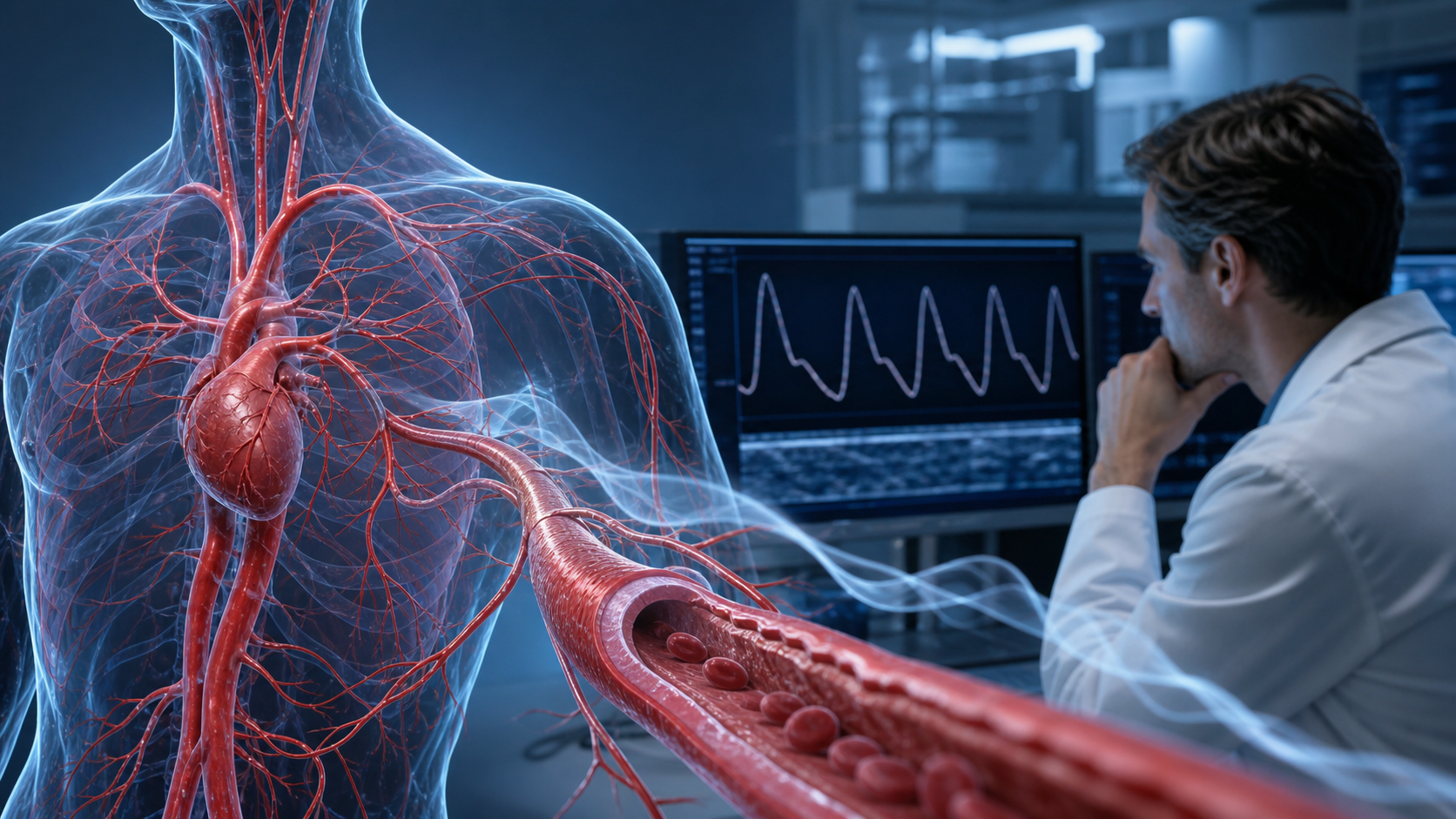
Arterial Stiffness and Vascular Age: A Longevity Evidence Guide
Understand arterial stiffness vascular age longevity links, key studies, measurement limits, and evidence-based lifestyle implications for healthy aging.
11 min read