Ankle Power and Healthy Aging: The Push-Off That Keeps Walking Efficient
Ankle plantar-flexor power supports walking speed and balance recovery. Learn why push-off changes with age and how strength can be trained safely.
Table of Contents
DISCLAIMER
This article is for informational purposes only and does not constitute medical advice. The statements in this article have not been evaluated by the FDA. The information presented is based on published research and should not be used as a substitute for professional medical guidance. Consult your physician before starting any supplement or health protocol.
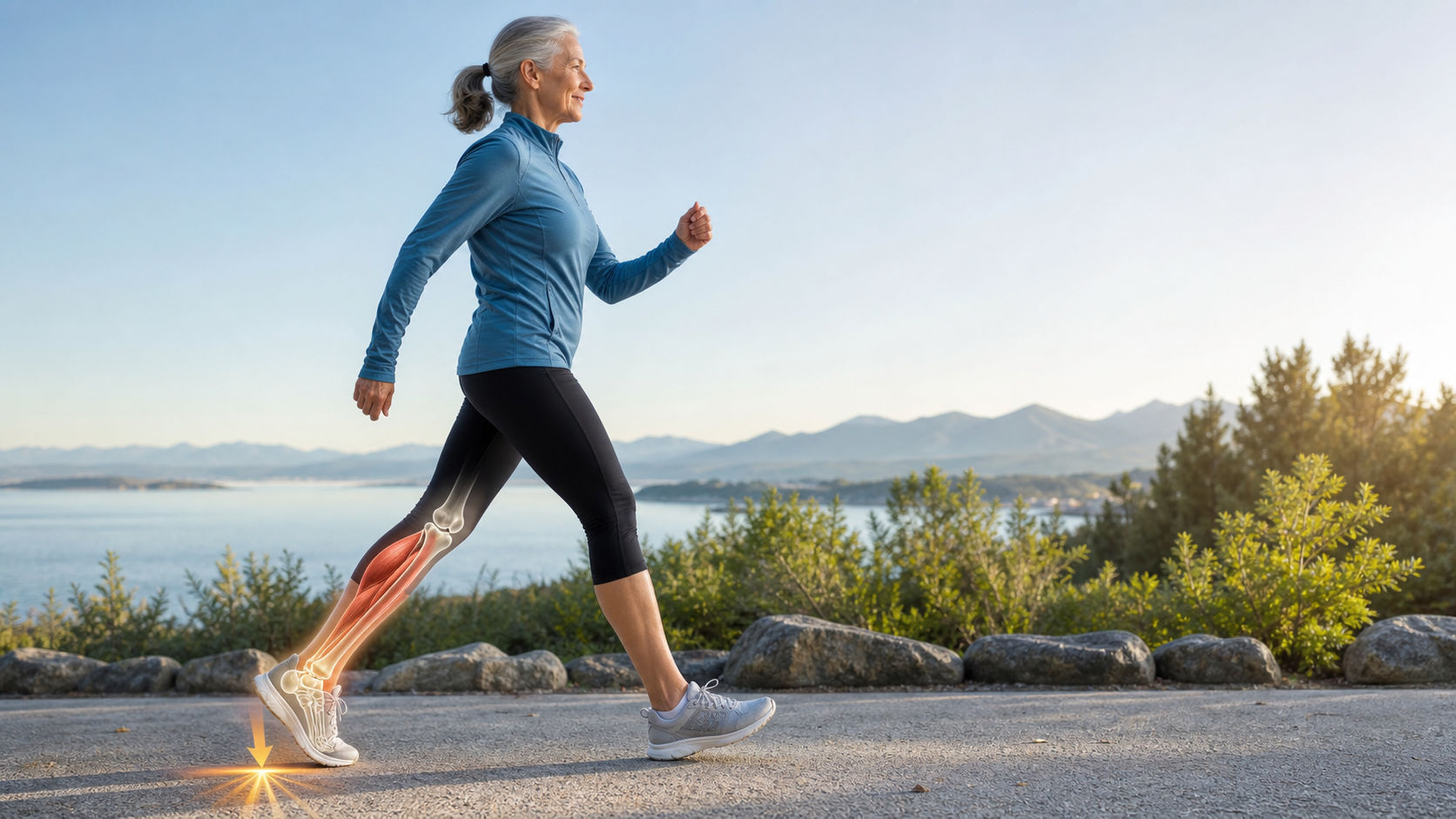
Every step ends with a small launch. As the body moves over the foot, the calf muscles and Achilles tendon help push the ground away. This ankle push-off contributes to forward progression, walking speed, and the transition into the next step.
With age, some people shift work away from the ankle and toward the hip. The change can be an intelligent compensation, but lower ankle power may also make walking less economical and leave less reserve for hills, stairs, or a sudden loss of balance.
Where Push-Off Power Comes From
The gastrocnemius and soleus muscles generate plantar-flexion force through the Achilles tendon. The tendon stores and returns elastic energy, while the nervous system times muscle activation to the movement of the body over the foot.
Power combines force and speed. A person may be able to press strongly in a slow test but struggle to express force quickly enough during a fast step. Joint range also matters: a painful or restricted ankle can change leverage and timing even when the calf muscle itself is capable.
Walking is a whole-body task. Hip extensors and flexors, trunk control, foot sensation, vision, vestibular function, and confidence all affect the pattern. An ankle measurement should therefore be interpreted as one part of a movement system.
Why Ankle Contribution May Decline
Muscle mass and motor-unit function can decline with inactivity and age. Tendon properties, reaction time, joint comfort, and habitual walking speed may also change. People often choose shorter steps and a wider base when they feel uncertain, which can reduce the demand placed on push-off.
This creates a possible feedback loop. Walking slowly requires less ankle power, so the calf receives a smaller training stimulus. Reduced reserve then makes faster walking feel harder. Illness, bed rest, or a period of pain can accelerate the loop even in someone who was previously active.
Not every change is permanent. Older adults can increase strength and power, although the size and pace of adaptation differ. The relevant outcome is not a youthful laboratory number but enough reserve for the person’s daily tasks.
How to Train the System
Calf raises are a direct starting point. They can be performed seated to emphasize the soleus or standing to load the combined plantar flexors. Holding a stable support, using a comfortable range, and progressing repetitions before adding load can make the exercise easier to control.
Once basic strength and balance are established, a qualified professional may introduce a faster lifting phase with a controlled lowering phase. Step-ups, sit-to-stands, uphill walking, and appropriately paced walking intervals train other links in the chain. Power training is not the same as moving carelessly; technique and stopping capacity remain priorities.
Volume should rise gradually because muscle, tendon, and joint tolerance do not adapt at identical speeds. Pain that changes gait, sudden swelling, marked weakness, or numbness deserves assessment rather than repeated loading.
Measuring Progress That Matters
Useful measures include repeated calf raises with consistent form, comfortable and fast walking speed, stair confidence, and the ability to recover from small perturbations. A clinician may use timed walking, force plates, dynamometry, or gait analysis when more detail is needed.
Footwear and assistive devices can improve safety without “making the muscles lazy.” A cane or rail may provide enough security to let someone practice at a more productive intensity. The goal is capable movement, not passing an equipment-free purity test.
Ankle power is easy to overlook because it appears near the end of the step. Yet that final push helps set up everything that follows. Training it as part of a broader strength, balance, and walking program can protect the reserve that makes daily mobility feel less fragile.
Frequently Asked Questions
Is ankle strength the same as ankle power?
Are calf raises enough to improve walking?
Should older adults train fast movements?
Sources
Stay Updated on Longevity Science
Weekly research digests. No spam, unsubscribe anytime.
Related Articles
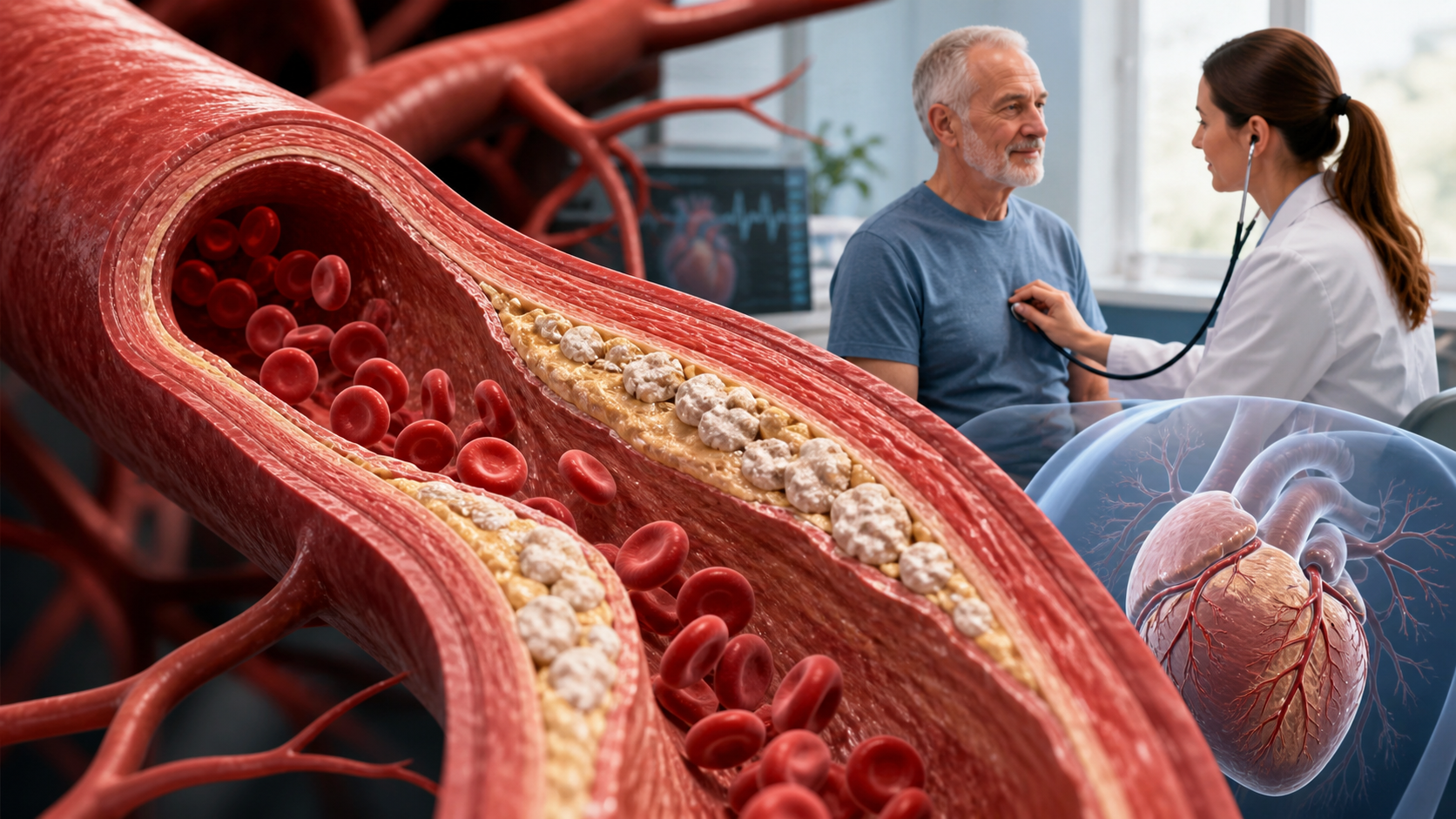
Arterial Calcification and Vascular Aging: Reading the Risk Signals
Arterial calcification can reveal accumulated vascular risk. Learn what calcium scores mean, why calcification develops, and where testing has limits.
10 min read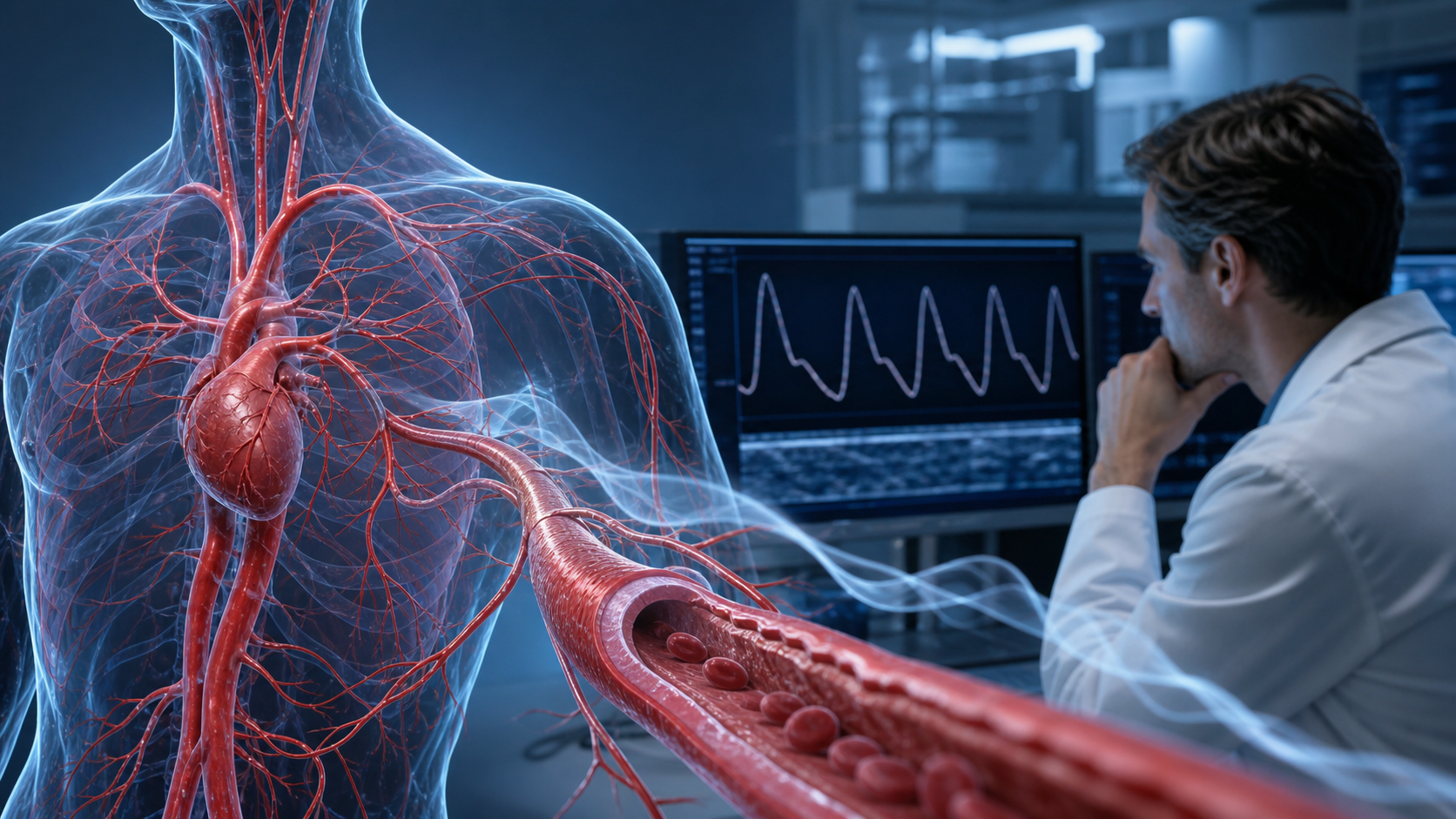
Arterial Stiffness and Vascular Age: A Longevity Evidence Guide
Understand arterial stiffness vascular age longevity links, key studies, measurement limits, and evidence-based lifestyle implications for healthy aging.
11 min read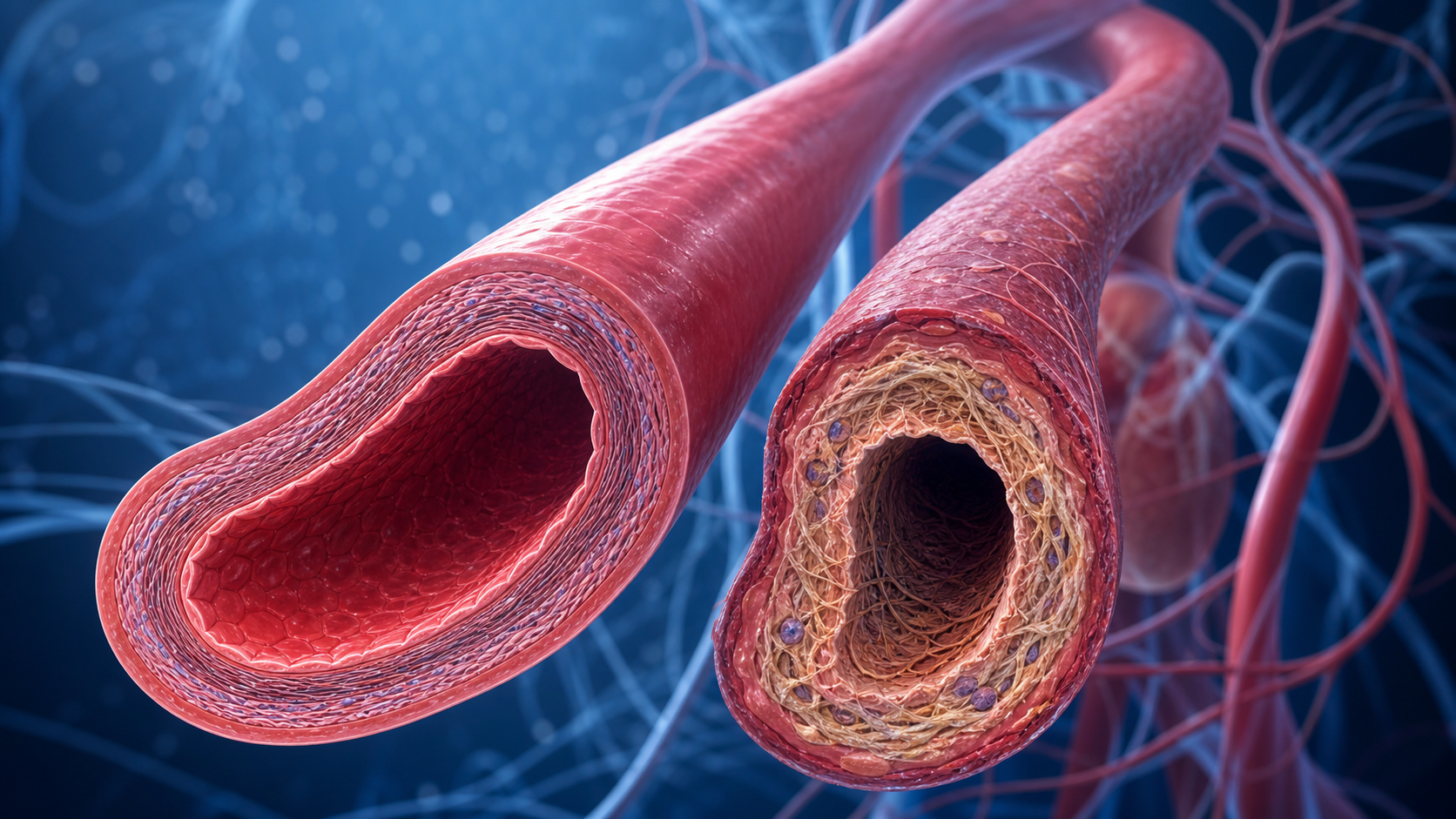
Arterial Stiffness and Vascular Aging: What the Evidence Shows
Explore arterial stiffness vascular aging, how vessels change over time, what pulse wave velocity studies show, and practical ways evidence may inform prevention.
10 min read