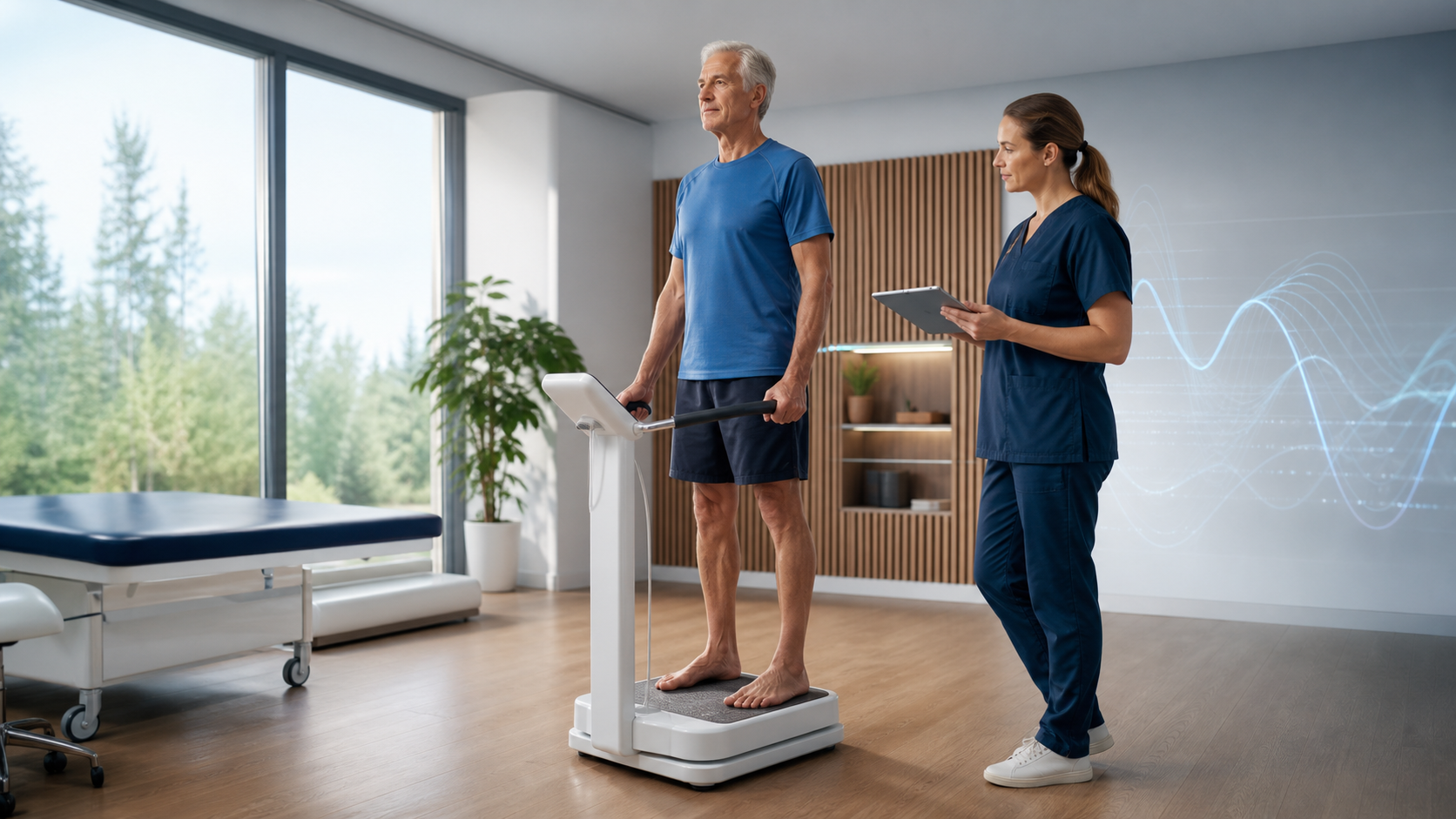
Bioimpedance Phase Angle and Aging: A Practical Guide
Phase angle is an emerging bioimpedance signal linked with cell mass and hydration. Learn how it is measured, what affects it, and why trends need context.
Table of Contents
DISCLAIMER
This article is for informational purposes only and does not constitute medical advice. The statements in this article have not been evaluated by the FDA. The information presented is based on published research and should not be used as a substitute for professional medical guidance. Consult your physician before starting any supplement or health protocol.
Bioimpedance phase angle has acquired an appealing nickname: a cellular health score. The real measure is more modest and more interesting. Phase angle is calculated from how a small alternating electrical current moves through the body, specifically the relationship between resistance and reactance.
Studies have associated lower phase angle with malnutrition, illness severity, low muscle mass, and frailty in several clinical populations. Aging researchers are exploring whether it adds useful information about physiological reserve. It may—but it is not a direct reading of cell age or longevity.
How Is Phase Angle Calculated?
Bioelectrical impedance analysis sends a current between electrodes. Body fluids conduct electricity, creating resistance. Cell membranes and tissue interfaces briefly store electrical charge, contributing reactance. Phase angle expresses the timing difference created by those properties.
Devices may use hand-to-foot electrodes, standing platforms, different frequencies, and proprietary processing. These choices influence results. A value from one machine should not automatically be compared with a value from another.
The measurement itself is quick and noninvasive for most people, but implanted electronic devices, pregnancy, edema, amputations, and other circumstances may require special protocols or make standard interpretation inappropriate.
Why Might It Change With Age?
Phase angle tends to be influenced by body cell mass, membrane properties, tissue distribution, and hydration. Aging can affect all four through muscle loss, illness, inflammation, changes in water balance, and reduced food intake.
Population reference data show that phase angle varies by age and sex, while older-adult reference research also highlights the importance of device and measurement method. Averages do not define an individual’s health. Body size, training status, disease, and device method contribute to variation. A muscular older adult and a hospitalized patient should not be judged against the same simplistic internet cutoff.
In clinical nutrition, phase angle may help describe risk or track recovery when combined with weight history, intake, strength, and laboratory information. In healthy-aging research, it may complement grip strength, gait speed, and imaging rather than replace them.
What Can Distort a Reading?
Hydration is a major factor. A recent meal, alcohol, hard exercise, a full bladder, heat exposure, or fluid retention can change impedance. Electrode placement and skin contact matter. Testing at different times of day can add noise.
Standardized conditions improve repeatability: use the same device, similar time of day, similar meal and exercise timing, and the manufacturer’s positioning protocol. Even then, small changes may reflect measurement variability rather than biological transformation.
Rapid shifts deserve caution. A sudden improvement does not prove stronger cell membranes, just as a sudden decline does not prove accelerated aging. First consider fluids, illness, medication changes, and test conditions.
Is It Useful for Personal Tracking?
Phase angle can be useful when there is a clear question and a qualified person can interpret it. Examples include monitoring nutritional rehabilitation, recovery after illness, or body-composition interventions. A trend collected under consistent conditions may add context to strength and function.
It should not become a number to maximize at any cost. A systematic review of resistance-training trials found phase-angle changes worth studying, but the measure remains a secondary outcome rather than a treatment target. The meaningful goals remain strength, mobility, energy, resilience, and medical stability.
Phase angle sits in the promising middle ground between research marker and clinical adjunct. Its value comes from adding one layer to an assessment—not from turning a complex body into a single score.
This article is educational and not medical advice. Discuss body-composition testing and unexpected changes with a qualified healthcare professional.
Frequently Asked Questions
Is phase angle the same as body-fat percentage?
Does a low phase angle diagnose frailty?
Can consumer scales measure phase angle accurately?
Sources
- Bioelectrical impedance analysis: population reference values for phase angle by age and sex(2005)
- Phase angle and vector analysis from multifrequency segmental bioelectrical impedance analysis: new reference data for older adults(2020)
- Effect of resistance training on bioelectrical phase angle in older adults: a systematic review with Meta-analysis of randomized controlled trials(2023)
Stay Updated on Longevity Science
Weekly research digests. No spam, unsubscribe anytime.
Related Articles
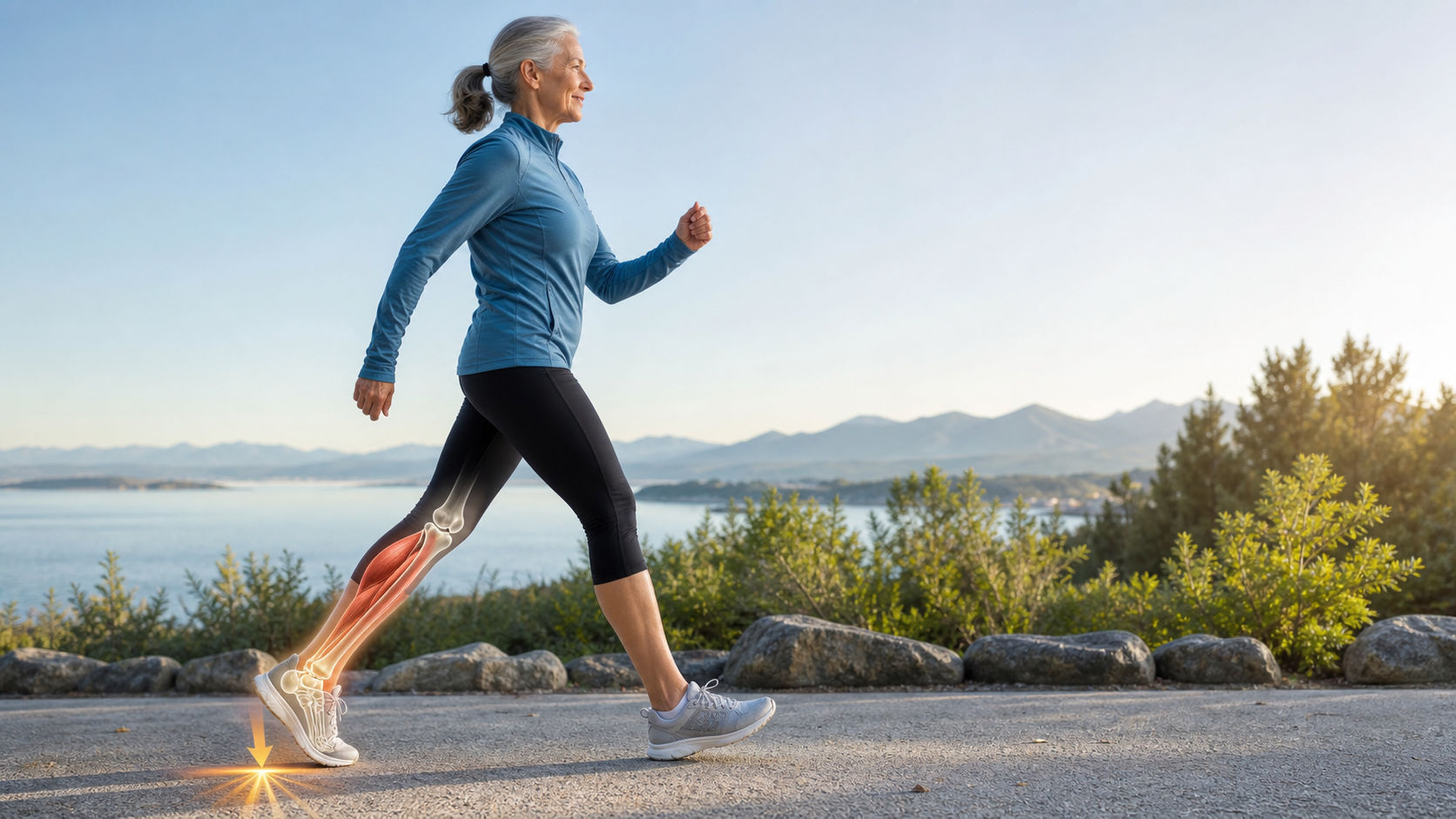
Ankle Power and Healthy Aging: The Push-Off That Keeps Walking Efficient
Ankle plantar-flexor power supports walking speed and balance recovery. Learn why push-off changes with age and how strength can be trained safely.
9 min read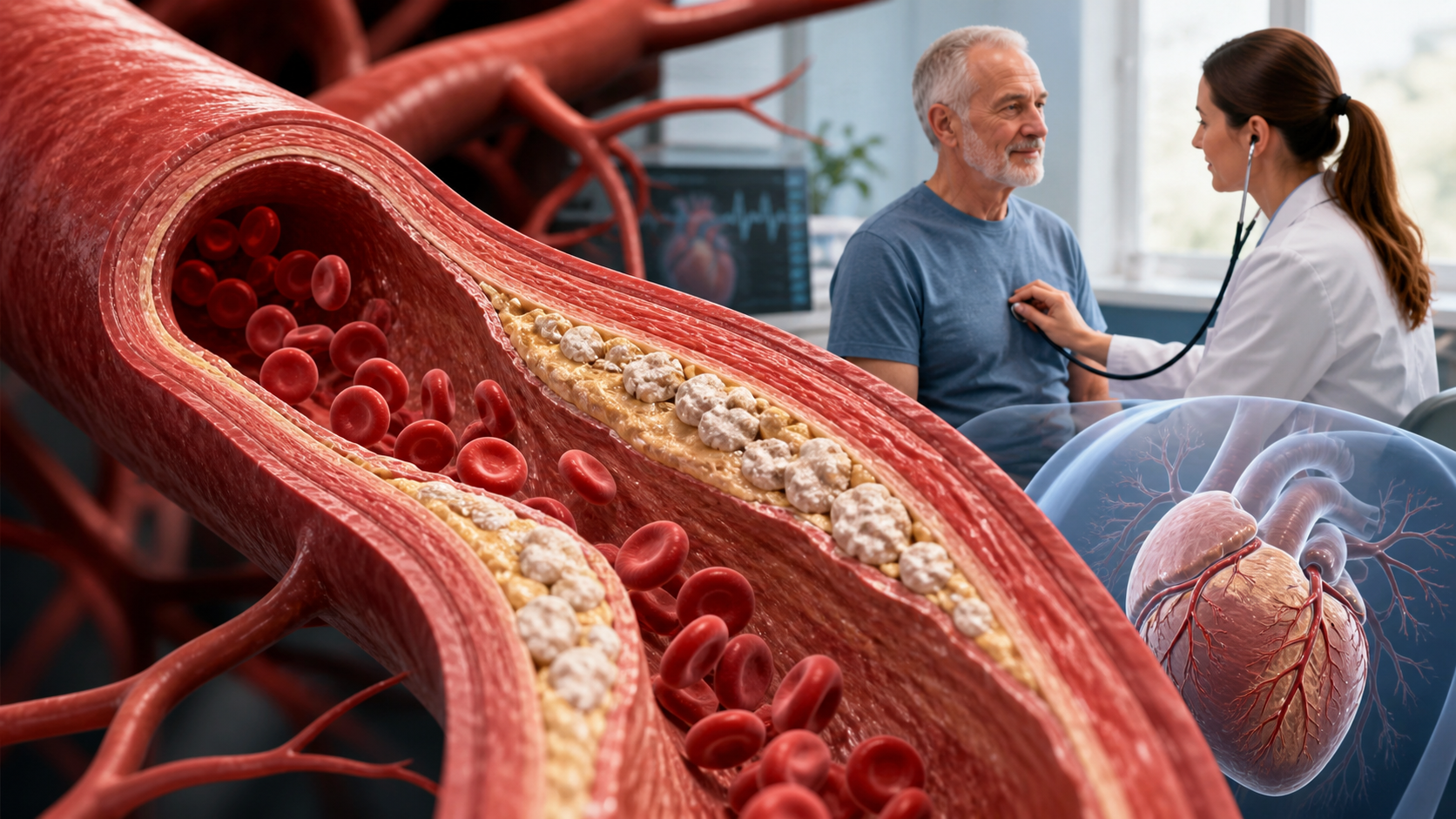
Arterial Calcification and Vascular Aging: Reading the Risk Signals
Arterial calcification can reveal accumulated vascular risk. Learn what calcium scores mean, why calcification develops, and where testing has limits.
10 min read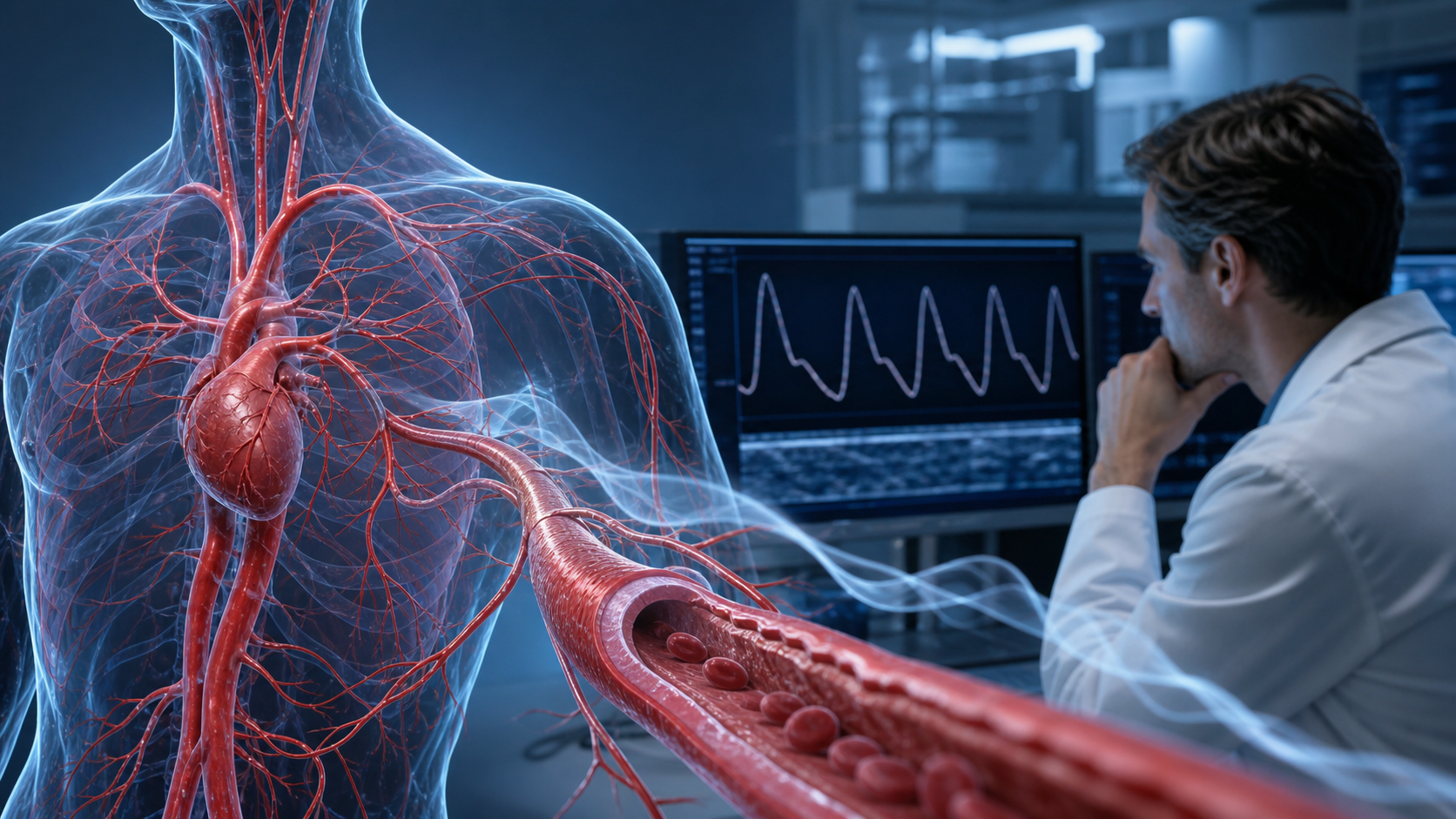
Arterial Stiffness and Vascular Age: A Longevity Evidence Guide
Understand arterial stiffness vascular age longevity links, key studies, measurement limits, and evidence-based lifestyle implications for healthy aging.
11 min read