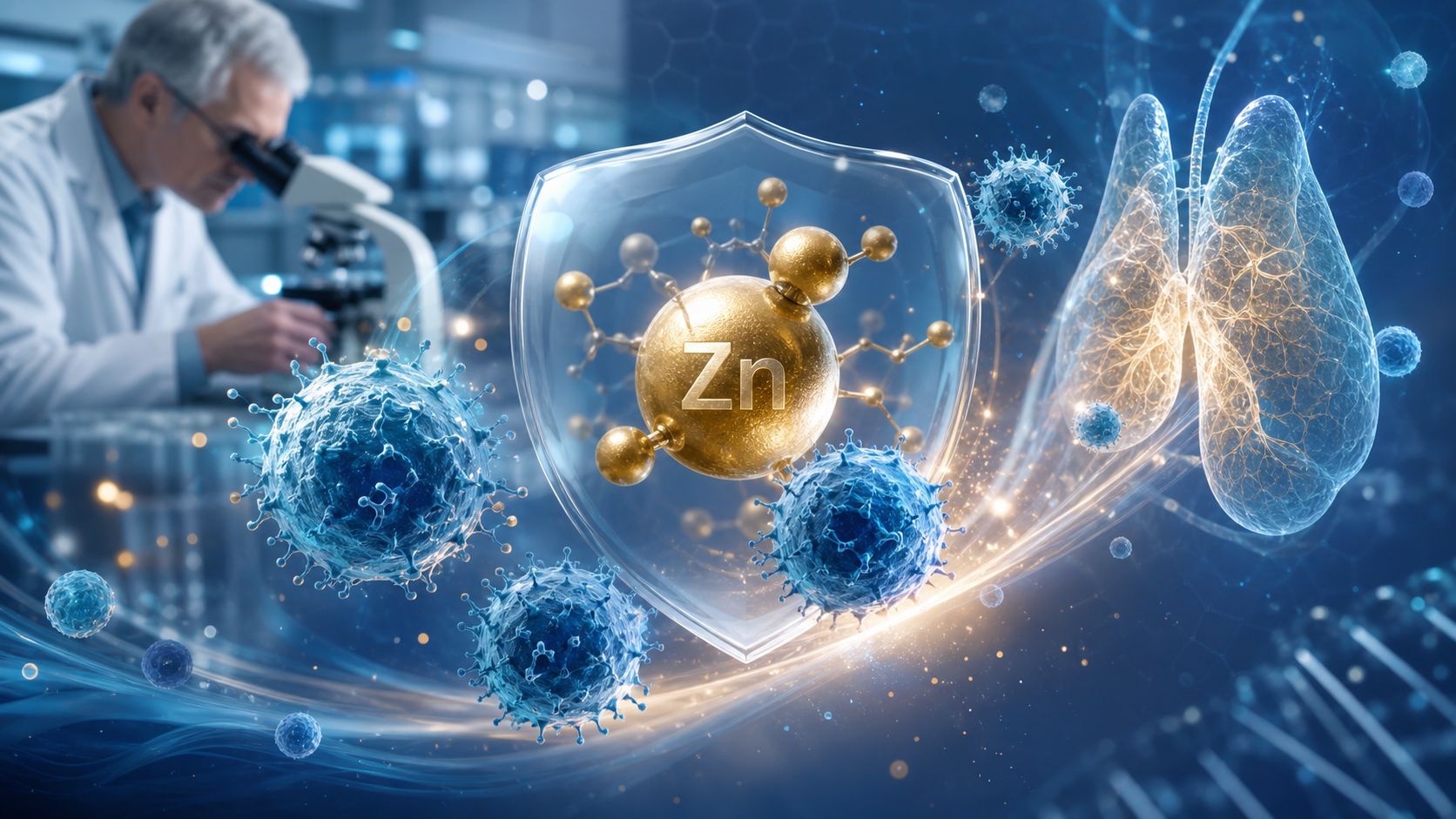
Zinc and Immune Aging: How This Essential Mineral Fights Immunosenescence
Discover how zinc supports immune function during aging. Learn about zinc's role in thymus health, T-cell function, and combating age-related immune decline.
Table of Contents
SUPPLEMENT NOTICE
The supplements discussed in this article are not intended to diagnose, treat, cure, or prevent any disease. Dosages mentioned reflect those used in specific research studies and should not be interpreted as recommendations. Always consult a healthcare professional before beginning any supplement regimen, especially if you have existing health conditions or take medications.
The age-related decline of the immune system, known as immunosenescence, is one of the most consequential aspects of biological aging. It increases vulnerability to infections, reduces vaccine effectiveness, impairs cancer surveillance, and contributes to the chronic low-grade inflammation that drives many age-related diseases. Among the nutritional factors that influence immune aging, zinc stands out as particularly critical, yet frequently deficient in older populations.
Zinc is required for the development and function of virtually every component of the immune system. An estimated 20-30% of adults over 65 have inadequate zinc status, a prevalence that increases further in institutional settings. This widespread deficiency may be both a cause and a consequence of immune aging, creating a vicious cycle of declining immunity and impaired zinc utilization (Wessels et al., 2021; PMID: 33752269).
Zinc’s Essential Role in Immune Function
Zinc participates in immune function at multiple levels. It is required for the development and maturation of immune cells in the thymus and bone marrow, for the signaling cascades that activate immune responses, and for the regulatory mechanisms that prevent excessive inflammation.
Thymic Function and T-Cell Development
The thymus, where T-cells mature and develop the ability to distinguish self from non-self, is perhaps the organ most sensitive to zinc status. The thymus begins to shrink (involute) after puberty, and this process accelerates in old age, dramatically reducing the output of new, naive T-cells. Zinc deficiency accelerates thymic involution, while zinc supplementation may partially restore thymic function (Haase & Rink, 2009; PMID: 19727397).
Thymulin, a zinc-dependent hormone produced by the thymus, is essential for T-cell differentiation. This hormone requires zinc for its biological activity, and circulating thymulin levels decline with age in parallel with zinc status. Some studies suggest that zinc supplementation can restore thymulin activity in older adults.
Innate Immunity
Zinc supports innate immune defenses through multiple mechanisms. It is required for the function of natural killer (NK) cells, which play a crucial role in eliminating virus-infected and cancer cells. Zinc also supports neutrophil chemotaxis, phagocytosis, and oxidative burst activity. Additionally, zinc strengthens epithelial barrier function, the first line of defense against pathogens.
Adaptive Immunity
In the adaptive immune system, zinc influences T-cell function, B-cell antibody production, and the balance between different T-helper cell subsets. Zinc deficiency shifts the immune response toward a Th2-dominant state, which may impair pathogen clearance and increase susceptibility to infections and allergic responses.
The Zinc-Inflammation Connection
Zinc’s role in regulating inflammation is particularly relevant to aging. Zinc influences multiple inflammatory pathways, including NF-kB, which is a central mediator of inflammatory gene expression (Maares & Haase, 2020; PMID: 31861945).
Zinc deficiency promotes inflammation through several mechanisms. It activates NF-kB signaling, increases production of pro-inflammatory cytokines (IL-1beta, IL-6, TNF-alpha), enhances oxidative stress, and impairs anti-inflammatory regulatory T-cell function. This pro-inflammatory state mirrors and may contribute to the inflammaging phenotype characteristic of biological aging.
Conversely, adequate zinc status helps maintain immune homeostasis by supporting anti-inflammatory pathways and preventing excessive immune activation. This regulatory function may be as important for healthy aging as zinc’s role in immune defense.
Zinc Deficiency in Older Adults
Multiple factors contribute to zinc deficiency in aging populations. Dietary intake often decreases due to reduced appetite, changes in food preferences, and difficulties with food preparation. Gastrointestinal absorption of zinc may decline with age, particularly in individuals taking proton pump inhibitors or other acid-reducing medications. Certain medications commonly prescribed to older adults, including diuretics and ACE inhibitors, can increase zinc excretion. Additionally, chronic diseases prevalent in aging, including diabetes, liver disease, and kidney disease, can impair zinc metabolism.
The consequences of zinc deficiency in older adults extend beyond immune function. Zinc deficiency has been associated with impaired wound healing, loss of taste and appetite, mood disturbances, and cognitive decline, all of which reduce quality of life and may accelerate functional decline.
Clinical Evidence for Zinc Supplementation in Aging
Several clinical trials have evaluated zinc supplementation in older adults with encouraging results. Supplementation has been shown to reduce the incidence and duration of infections, improve vaccine responses, reduce inflammatory markers, and enhance antioxidant defense.
The Zinc in Elderly Study found that zinc supplementation (45 mg elemental zinc daily) in nursing home residents was associated with significantly reduced incidence of infections over a 12-month period. Another trial found that zinc supplementation improved serum zinc levels, reduced oxidative stress markers, and decreased inflammatory cytokine levels in elderly subjects.
However, it is important to note that excessive zinc supplementation can be counterproductive. High-dose zinc can impair copper absorption, suppress immune function, and cause gastrointestinal side effects. The tolerable upper intake level for zinc in adults is 40 mg per day of elemental zinc, and supplementation should be guided by individual zinc status assessment when possible.
Practical Recommendations
Dietary Sources
Zinc-rich foods include oysters (the richest food source), red meat, poultry, beans, nuts, whole grains, and fortified cereals. Plant-based zinc sources contain phytates that reduce bioavailability, so vegetarians and vegans may need higher intake or may benefit from soaking and sprouting grains and legumes to reduce phytate content.
Supplementation Considerations
For older adults at risk of zinc deficiency, moderate supplementation (15-30 mg elemental zinc daily) may be appropriate. Zinc forms with good bioavailability include zinc picolinate, zinc glycinate, and zinc citrate. Zinc should be taken with food to minimize gastrointestinal effects and should not be taken simultaneously with calcium or iron supplements, which can interfere with absorption.
Long-term zinc supplementation should be paired with copper supplementation (1-2 mg daily) to prevent copper depletion, which can cause its own immune and neurological problems.
Frequently Asked Questions
How do I know if I’m zinc deficient? Zinc deficiency can be assessed through serum zinc levels, though this test has limitations as it may not reflect tissue zinc stores. Symptoms of mild zinc deficiency include frequent infections, slow wound healing, loss of taste or smell, and skin problems. Risk factors include age over 65, vegetarian or vegan diet, chronic illness, and use of certain medications. A healthcare provider can help assess your zinc status and recommend appropriate testing.
Can zinc supplementation reverse immune aging? Zinc supplementation may partially ameliorate some aspects of immunosenescence, particularly in individuals who are zinc deficient. Studies suggest it can improve T-cell function, enhance vaccine responses, and reduce infection rates in older adults. However, immune aging is a complex, multifactorial process that cannot be fully reversed by any single nutrient. Zinc supplementation is best viewed as one component of a comprehensive healthy aging strategy.
Is it possible to take too much zinc? Yes. Excessive zinc intake (above 40 mg of elemental zinc daily for extended periods) can cause copper deficiency, which paradoxically impairs immune function and can lead to anemia and neurological symptoms. High doses may also cause nausea, vomiting, and diarrhea. It is advisable to stay within recommended supplementation ranges and consult a healthcare provider for personalized guidance.
Sources
Stay Updated on Longevity Science
Weekly research digests. No spam, unsubscribe anytime.
Related Articles
Alpha-Ketoglutarate (AKG) and Aging: What Research Reveals
Explore how alpha-ketoglutarate (AKG) may influence aging through epigenetic regulation, mitochondrial function, and cellular energy metabolism.
12 min read
Alpha-Lipoic Acid and Aging: The Universal Antioxidant for Longevity
Explore how alpha-lipoic acid supports aging through antioxidant recycling, glucose metabolism, and mitochondrial function. Review the clinical evidence.
11 min readApigenin for Longevity: Benefits, Research, and What Science Reveals
Apigenin, found in chamomile and parsley, may support longevity through NAD+ preservation and senolytic effects. Review the latest research.
9 min read