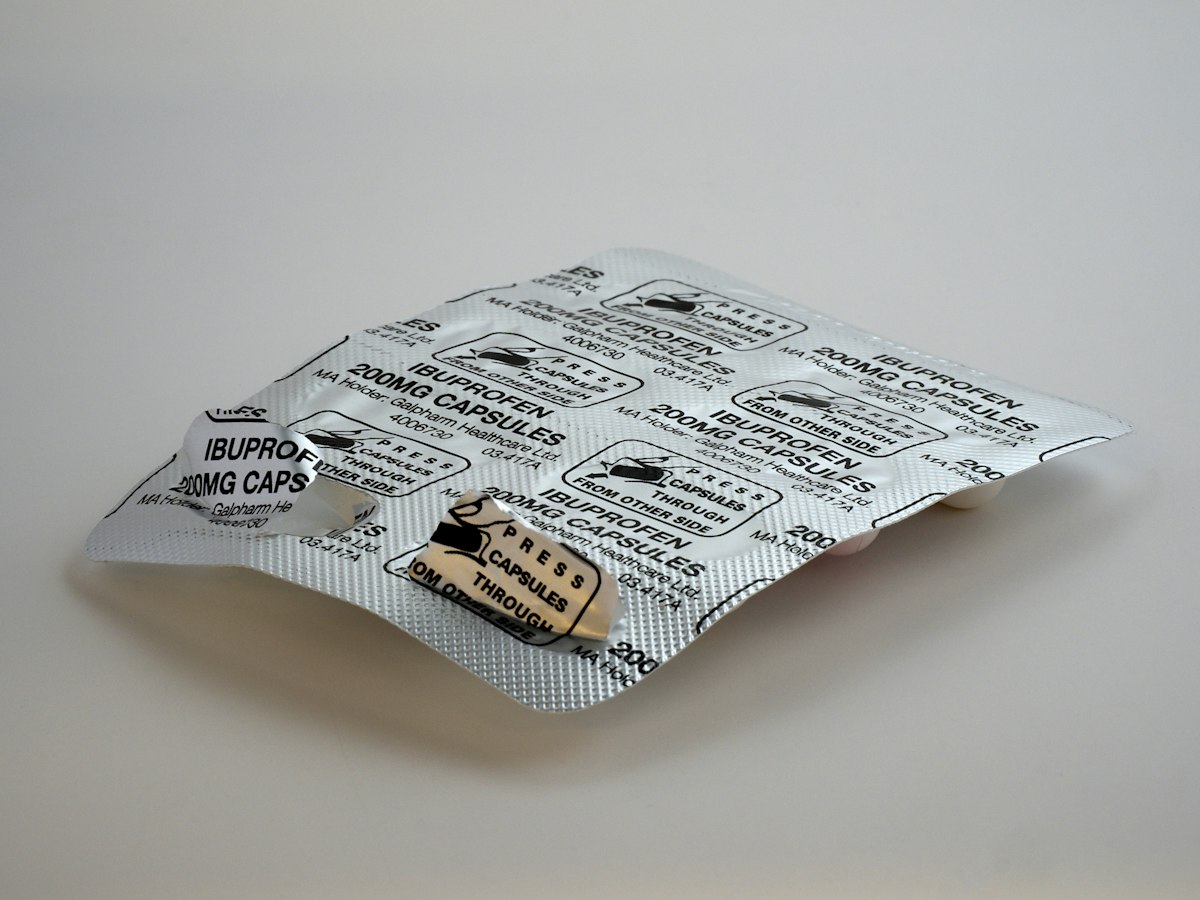
Longevity Supplement Interactions: A Comprehensive Safety Guide
Essential guide to longevity supplement interactions, contraindications, and safety considerations for popular aging-related supplements.
Table of Contents
SUPPLEMENT NOTICE
The supplements discussed in this article are not intended to diagnose, treat, cure, or prevent any disease. Dosages mentioned reflect those used in specific research studies and should not be interpreted as recommendations. Always consult a healthcare professional before beginning any supplement regimen, especially if you have existing health conditions or take medications.
Why Supplement Interactions Matter for Longevity
The growing interest in longevity science has led many people to adopt multi-supplement regimens, sometimes combining five, ten, or more compounds in pursuit of healthy aging. While each individual supplement may have a favorable safety profile, the interactions between them — and between supplements and prescription medications — can introduce risks that are often overlooked.
Understanding these interactions is not merely academic. A 2016 study of poison center data documented thousands of adverse events related to dietary supplements annually, with a meaningful percentage involving interactions rather than single-supplement toxicity (PMID: 27099216). A 2017 comprehensive review of drug-supplement interactions highlighted that many common supplements can alter the absorption, metabolism, or excretion of pharmaceutical drugs (PMID: 28093413).
This guide examines the most important interactions, contraindications, and safety considerations for commonly used longevity supplements.
How Do Supplement Interactions Occur?
Supplement interactions can occur through several mechanisms:
Pharmacokinetic Interactions (How the Body Processes Substances)
| Mechanism | Description | Example |
|---|---|---|
| Absorption alteration | One substance changes how another is absorbed | Calcium reducing iron absorption |
| CYP enzyme inhibition | Blocking liver enzymes that metabolize drugs | Quercetin inhibiting CYP3A4 |
| CYP enzyme induction | Increasing liver enzyme activity | St. John’s Wort inducing CYP3A4 |
| Protein binding displacement | Competing for plasma protein binding sites | Fatty acids displacing warfarin |
| Renal excretion changes | Altering how kidneys filter substances | pH changes affecting drug elimination |
Pharmacodynamic Interactions (How Substances Affect the Body)
- Additive effects: Two substances with similar actions producing an exaggerated response (e.g., multiple blood pressure-lowering supplements)
- Antagonistic effects: One substance counteracting another (e.g., antioxidant potentially reducing pro-oxidant drug efficacy)
- Synergistic effects: Combined effect greater than the sum of individual effects (can be beneficial or harmful)
Interaction Profiles for Major Longevity Supplements
NMN (Nicotinamide Mononucleotide) and NR (Nicotinamide Riboside)
NAD+ precursors are among the most popular longevity supplements. A 2023 review highlighted both the benefits and potential considerations of NMN supplementation (PMID: 36482258).
Potential interactions:
- Methylation concerns: NAD+ metabolism consumes methyl groups. High-dose NMN/NR supplementation may theoretically increase demand for methyl donors (folate, B12, betaine). Individuals with MTHFR polymorphisms may be particularly susceptible
- NAMPT-dependent pathways: NMN may influence insulin signaling through NAMPT, potentially relevant for individuals managing diabetes
- Cancer considerations: NAD+ supports cellular energy in all cells, including potentially cancerous cells. Some researchers have raised theoretical concerns about NAD+ supplementation in individuals with active malignancies, though clinical evidence is limited
- Tryptophan pathway: High-dose niacin family supplements may affect serotonin synthesis through shared pathway intermediates
Interaction with other supplements:
| Supplement | Interaction Type | Consideration |
|---|---|---|
| Resveratrol | Potentially synergistic | Both support sirtuin activation; commonly combined |
| Quercetin | Generally compatible | No known significant interaction |
| CoQ10 | Complementary | Address different mitochondrial pathways |
| TMG (Trimethylglycine) | Supportive | May help replenish methyl groups consumed by NAD+ metabolism |
Quercetin
Quercetin is used both as an antioxidant and as a senolytic (typically combined with dasatinib). It has significant interaction potential due to its effects on drug-metabolizing enzymes.
Drug interactions:
- CYP3A4 inhibition: Quercetin inhibits this major liver enzyme, potentially increasing blood levels of many drugs metabolized by this pathway (statins, calcium channel blockers, immunosuppressants, many others)
- CYP2C9 inhibition: May increase warfarin levels and bleeding risk
- P-glycoprotein inhibition: Quercetin may reduce the activity of this drug efflux pump, increasing absorption of certain drugs
- Antibiotic interaction: May enhance or interfere with certain antibiotic classes
A 2020 review of polyphenol-drug interactions specifically highlighted quercetin’s potential to alter drug metabolism, particularly in oncology settings (PMID: 32380630).
Key safety points:
- Individuals taking CYP3A4-metabolized drugs should exercise particular caution
- May enhance the effects of blood-thinning medications
- Dose timing relative to medications may help minimize interactions
Resveratrol
Resveratrol is a polyphenol found in red wine and grapes, studied for its potential effects on sirtuin activation and inflammation.
Drug interactions:
- Blood thinners: Resveratrol may have antiplatelet activity, potentially increasing bleeding risk when combined with warfarin, aspirin, or other anticoagulants
- CYP enzyme modulation: Resveratrol can inhibit multiple CYP enzymes including CYP1A2, CYP3A4, and CYP2D6 at higher doses
- Estrogen-sensitive conditions: Resveratrol has weak estrogenic activity; individuals with estrogen-sensitive conditions should exercise caution
- Blood pressure medications: May have additive blood pressure-lowering effects
Supplement interactions:
- NMN/NR: Often combined; may have complementary effects on NAD+ metabolism and sirtuin activation
- Curcumin: Both have CYP-inhibiting properties; combining may amplify drug interaction risks
- Quercetin: Similar CYP inhibition profiles; combining may significantly affect drug metabolism
CoQ10 (Coenzyme Q10)
Drug interactions:
- Warfarin: CoQ10 has structural similarity to vitamin K and may reduce warfarin effectiveness. INR monitoring is essential
- Antihypertensives: May have additive blood pressure-lowering effects
- Statins: Statins reduce CoQ10 production; supplementation may help but timing relative to statin dosing should be considered
- Chemotherapy: Theoretical concerns about antioxidant effects potentially interfering with pro-oxidant cancer therapies
Rapamycin (Sirolimus)
As a prescription immunosuppressant, rapamycin has extensive and well-documented drug interactions.
Critical interactions:
- CYP3A4 substrates: Rapamycin is metabolized by CYP3A4. Any supplement or drug that inhibits this enzyme (grapefruit, quercetin, curcumin) may dramatically increase rapamycin blood levels
- CYP3A4 inducers: St. John’s Wort, for example, may reduce rapamycin levels
- Metformin: Some researchers combine rapamycin with metformin for longevity; this combination may have additive effects on glucose metabolism
- NMN/NR: Theoretical interaction through mTOR-NAD+ pathway crosstalk, though clinical significance is unclear
Fisetin
Potential interactions:
- Blood thinners: Fisetin may have anticoagulant properties
- CYP enzyme effects: Limited data but likely similar to other flavonoids
- Dasatinib: When combined as a senolytic regimen, both compounds may affect liver enzyme activity
Metformin
Drug and supplement interactions:
- Vitamin B12: Long-term metformin use may reduce B12 absorption; supplementation may be advisable
- Alcohol: Increased risk of lactic acidosis
- Contrast dye: Must be temporarily discontinued before iodinated contrast procedures
- NMN/NR: Both affect NAD+ metabolism; combined effects are not well-characterized
- Berberine: Similar mechanism (AMPK activation); combining may cause additive blood sugar-lowering effects
Spermidine
Potential interactions:
- MAO inhibitors: Spermidine is a polyamine metabolized by amine oxidases; theoretical risk of interaction with MAO inhibitor medications
- Histamine sensitivity: Polyamine metabolism shares pathways with histamine metabolism; individuals with histamine intolerance should exercise caution
Timing and Sequencing Considerations
How and when supplements are taken can significantly affect both their efficacy and interaction potential.
Fat-Soluble vs. Water-Soluble
| Supplement | Solubility | Best Taken |
|---|---|---|
| CoQ10 | Fat-soluble | With fat-containing meals |
| Resveratrol | Fat-soluble | With food |
| Quercetin | Moderate | With food for better absorption |
| NMN | Water-soluble | Can be taken on empty stomach |
| NR | Water-soluble | Can be taken with or without food |
| Spermidine | Water-soluble | Typically morning, empty stomach |
| AKG | Water-soluble | Can be taken on empty stomach |
Separation Strategies
Some supplements should be separated in time to minimize interactions:
- Calcium-containing supplements (CaAKG) should be separated from iron, thyroid medications, and certain antibiotics by at least 2 hours
- CYP-inhibiting supplements (quercetin, resveratrol, curcumin) should be taken at different times than CYP-metabolized medications when possible
- Stimulating supplements (some report NMN as energizing) may be better taken in the morning to avoid sleep disruption
Building a Safe Longevity Stack
Step-by-Step Approach
A 2021 review outlined practical considerations for supplement safety assessment (PMID: 33166428). Based on available evidence, a prudent approach to building a longevity supplement regimen includes:
-
Start with one supplement at a time: Introduce new supplements individually, waiting 2-4 weeks before adding another. This allows identification of any adverse effects from each specific compound.
-
Begin with lower doses: Start below study doses and gradually increase. Individual responses vary, and lower initial doses allow assessment of tolerability.
-
Document everything: Keep a log of supplements, doses, timing, and any effects (positive or negative). This information is valuable for healthcare providers.
-
Get baseline labs: Before starting a supplement regimen, obtain baseline blood work including liver function, kidney function, blood counts, lipid panel, and fasting glucose. Repeat at regular intervals.
-
Consult professionals: Work with a healthcare provider knowledgeable about supplements and aging. This is especially critical for individuals taking prescription medications.
Common Longevity Stack Combinations and Considerations
| Combination | Rationale | Interaction Concern | Risk Level |
|---|---|---|---|
| NMN + Resveratrol | Sirtuin activation synergy | Generally well-tolerated | Low |
| NMN + TMG | NAD+ support + methyl replenishment | Complementary | Low |
| CoQ10 + PQQ | Dual mitochondrial support | No known interaction | Low |
| Quercetin + Fisetin | Senolytic combination | Additive CYP inhibition | Low-Moderate |
| Rapamycin + Quercetin | mTOR inhibition + senolytic | CYP3A4 interaction (elevated rapamycin levels) | High |
| Rapamycin + Metformin | Dual pathway targeting | Additive metabolic effects | Moderate |
| Resveratrol + Warfarin | Not recommended | Increased bleeding risk | High |
| Multiple CYP inhibitors | Stacking quercetin + resveratrol + curcumin | Cumulative CYP inhibition | Moderate-High |
Red Flags: When to Stop and Seek Medical Attention
Discontinue supplements and consult a healthcare provider if you experience:
- Unexplained bruising or bleeding
- Persistent gastrointestinal distress
- Jaundice (yellowing of skin or eyes)
- Unusual fatigue or weakness
- Significant changes in blood pressure
- Rash, hives, or difficulty breathing (potential allergic reaction)
- Dark urine or light-colored stools (potential liver issues)
- Significant changes in lab values during routine monitoring
Quality and Purity Considerations
The supplement industry’s regulatory framework means product quality varies significantly:
Third-Party Testing Certifications
- USP (United States Pharmacopeia): Verifies identity, potency, and purity
- NSF International: Certified for Sport program and supplement testing
- ConsumerLab: Independent testing and quality evaluation
- Informed Sport: Tests for banned substances (relevant for athletes)
Quality Red Flags
- Products making disease treatment or prevention claims
- Proprietary blends that do not disclose individual ingredient amounts
- Extremely low prices compared to comparable products (may indicate purity issues)
- Lack of any third-party testing certification
- Manufacturers with history of FDA warning letters
Special Populations
Older Adults (65+)
- Reduced liver and kidney function may slow supplement metabolism and elimination
- Higher risk of drug-supplement interactions due to polypharmacy
- May need lower starting doses
- Regular monitoring is especially important
Women of Reproductive Age
- Several supplements have insufficient safety data for pregnancy and lactation
- Supplements with estrogenic activity (resveratrol, some phytoestrogens) require consideration
- Folic acid and B12 status should be monitored when taking NAD+ precursors
Individuals with Chronic Conditions
- Diabetes: Multiple longevity supplements affect glucose metabolism
- Cardiovascular disease: Interactions with anticoagulants, antihypertensives, and statins are common
- Cancer (active or history): Theoretical concerns about growth-promoting effects of some supplements
- Autoimmune conditions: Immunomodulatory supplements require careful consideration
Key Takeaways
The longevity supplement landscape offers many promising compounds, but the increasing complexity of multi-supplement regimens introduces meaningful interaction risks. A thoughtful, systematic approach to supplementation — starting slowly, monitoring carefully, and working with knowledgeable healthcare providers — is essential for safety.
Key principles to remember:
-
More is not always better. A focused regimen of well-chosen supplements with established safety profiles may be preferable to an extensive stack with poorly characterized interactions.
-
Individual responses vary. Genetic differences in drug-metabolizing enzymes, gut microbiome composition, and overall health status all influence how supplements are processed and how they interact.
-
The evidence is evolving. As longevity research advances, our understanding of supplement interactions will improve. Staying informed and willing to adjust your regimen based on new evidence is important.
-
Professional guidance is invaluable. A healthcare provider can evaluate your specific medication list, health conditions, and goals to help design a safe, effective supplement strategy.
-
Quality matters. Choosing supplements from reputable manufacturers with third-party testing certification reduces the risk of contamination-related adverse effects.
Frequently Asked Questions
Can I take multiple longevity supplements at the same time?
What are the most common longevity supplement interactions?
Are longevity supplements regulated by the FDA?
Sources
- Dietary supplement adverse events: report of a one-year poison center surveillance project(2016)
- Drug interactions with dietary supplements(2017)
- Nicotinamide mononucleotide supplementation: understanding metabolic variability and side effects(2023)
- Polyphenol-drug interactions in oncology(2020)
- Safety assessment of supplements: tools and practical considerations(2021)
Stay Updated on Longevity Science
Weekly research digests. No spam, unsubscribe anytime.
Related Articles

Alpha-Ketoglutarate (AKG) and Aging: What Research Reveals
Explore how alpha-ketoglutarate (AKG) may influence aging through epigenetic regulation, mitochondrial function, and cellular energy metabolism.
12 min read
Best Longevity Supplement Stack in 2026
Explore the best longevity supplement stack for 2026 based on current research. Learn which supplements may support healthy aging and what the evidence says.
12 min read
CoQ10 and Mitochondrial Health: What Research Suggests
Explore how CoQ10 may support mitochondrial function and healthy aging, including dosage research, absorption forms, and clinical evidence.
12 min read