Resveratrol Anti-Aging: Does the Evidence Hold Up?
A comprehensive review of resveratrol research for anti-aging, including what studies show about its effects on longevity, sirtuin activation, and cardiovascular health.
Table of Contents
SUPPLEMENT NOTICE
The supplements discussed in this article are not intended to diagnose, treat, cure, or prevent any disease. Dosages mentioned reflect those used in specific research studies and should not be interpreted as recommendations. Always consult a healthcare professional before beginning any supplement regimen, especially if you have existing health conditions or take medications.
The Red Wine Paradox That Launched a Research Frenzy
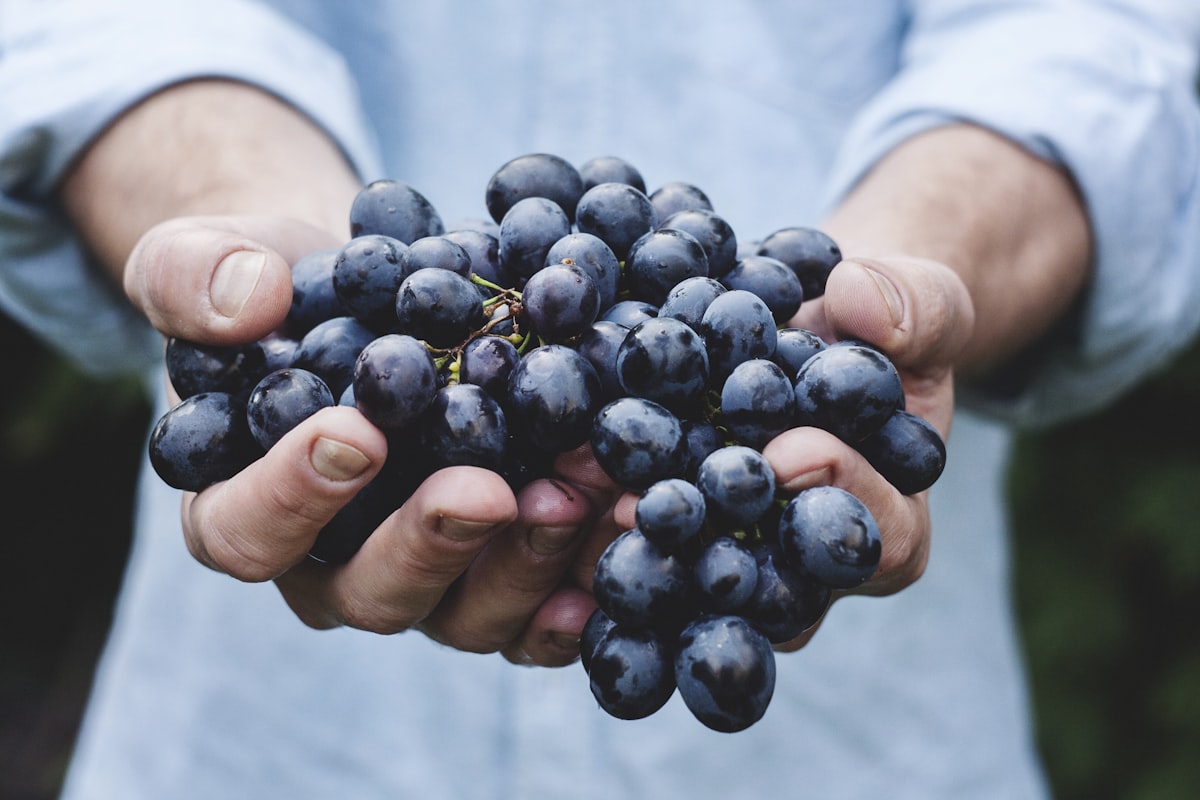
Few molecules in longevity research have generated as much excitement, debate, and contradiction as resveratrol. The story began with the French Paradox — the observation that French people suffered relatively low rates of heart disease despite a diet high in saturated fat. When researchers proposed that red wine consumption might explain this paradox, attention quickly focused on resveratrol, a polyphenol compound found in grape skins.
Since then, resveratrol has been the subject of thousands of studies, multiple clinical trials, and intense scientific controversy. The compound has been hailed as a potential anti-aging breakthrough and criticized as an overhyped supplement with minimal human benefit. The truth, as the evidence currently stands, lies somewhere in between.
What Is Resveratrol?
Resveratrol (3,5,4’-trihydroxystilbene) is a naturally occurring polyphenol produced by plants in response to stress, injury, or fungal infection. It belongs to a class of compounds called stilbenes and is found in:
- Red grape skins: The primary dietary source, and the reason for red wine’s resveratrol content
- Japanese knotweed (Polygonum cuspidatum): The most common source for supplements
- Berries: Blueberries, cranberries, and mulberries contain small amounts
- Peanuts: Particularly peanut skins
- Dark chocolate: Trace amounts
Resveratrol exists in two forms: trans-resveratrol (the biologically active form) and cis-resveratrol. Supplement formulations typically use trans-resveratrol.
The Sirtuin Connection
How the Anti-Aging Hypothesis Emerged
The anti-aging interest in resveratrol accelerated dramatically in 2003 when David Sinclair and colleagues published a study in Nature showing that resveratrol activated SIRT1, a member of the sirtuin family of enzymes. Sirtuins had been shown to extend lifespan in yeast, and the finding that a natural compound could activate them generated enormous excitement.
What Are Sirtuins?
Sirtuins are a family of NAD+-dependent deacetylases that regulate numerous cellular processes related to aging:
- DNA repair: Sirtuins help maintain genomic stability
- Inflammation: SIRT1 suppresses NF-kB signaling, reducing inflammatory gene expression
- Metabolism: Sirtuins regulate mitochondrial function and metabolic efficiency
- Stress resistance: Sirtuin activation enhances cellular stress response pathways
- Epigenetic maintenance: Sirtuins help maintain proper chromatin structure and gene silencing
The Debate Over Direct Activation
The claim that resveratrol directly activates SIRT1 became controversial. A 2010 study questioned whether the original activation assay was an artifact, and subsequent research showed that the interaction between resveratrol and SIRT1 is more nuanced than initially proposed. However, more recent structural studies have confirmed that resveratrol can activate SIRT1 under specific conditions, and the downstream biological effects of resveratrol are consistent with sirtuin pathway activation, even if the exact mechanism of action remains debated.
Animal and Preclinical Research
Yeast, Worms, and Flies
Resveratrol’s anti-aging story began with simple organisms. Studies showed that resveratrol could extend lifespan in:
- Saccharomyces cerevisiae (yeast): Up to 70% lifespan extension in some studies
- Caenorhabditis elegans (worms): Modest lifespan extension dependent on sirtuin pathway
- Drosophila melanogaster (fruit flies): Results were mixed, with some studies showing extension and others finding no effect
These results were exciting but came with an important caveat: extending lifespan in simple organisms does not guarantee similar effects in mammals.
The Mouse Studies
The most impactful animal study came in 2006 from David Sinclair’s laboratory. Mice fed a high-calorie diet supplemented with resveratrol showed:
- Improved survival compared to high-calorie controls (without matching lean-diet mice)
- Better insulin sensitivity and glucose tolerance
- Reduced liver fat accumulation
- Improved motor function
- Gene expression patterns more similar to lean mice
Crucially, resveratrol did not extend lifespan in mice fed a standard diet in the National Institute on Aging’s Interventions Testing Program, suggesting its benefits may be most pronounced under conditions of metabolic stress.
Cardiovascular Effects in Animals
Animal studies have consistently shown cardiovascular benefits of resveratrol, including:
- Reduced atherosclerotic plaque formation
- Improved endothelial function
- Lower blood pressure
- Reduced cardiac hypertrophy
- Protection against ischemia-reperfusion injury
These effects appear to be mediated through multiple mechanisms including SIRT1 activation, AMPK activation, and direct antioxidant effects.
Human Clinical Trials
Metabolic Effects
Several human trials have evaluated resveratrol’s effects on metabolic parameters:
A 2011 randomized controlled trial in obese men found that 150 mg/day of resveratrol for 30 days improved insulin sensitivity, reduced liver fat, and lowered inflammatory markers — effects that mimicked some aspects of caloric restriction. However, a subsequent larger trial in non-obese individuals found minimal metabolic benefits.
A 2019 systematic review of clinical trials concluded that resveratrol supplementation may modestly improve fasting glucose, insulin levels, and blood pressure, particularly in individuals with type 2 diabetes or metabolic syndrome. Effects in healthy individuals were less consistent.
Cardiovascular Effects
Human studies on cardiovascular outcomes have shown mixed but generally positive results:
- Improved endothelial function (flow-mediated dilation) in several trials
- Modest blood pressure reduction (approximately 2-3 mmHg systolic)
- Improved lipid profiles in some but not all studies
- Reduced arterial stiffness in older adults in one trial
Cognitive Effects
A few human trials have explored resveratrol’s effects on brain function:
- A 2014 study found that 26 weeks of resveratrol supplementation improved memory and hippocampal connectivity in older adults
- A trial in Alzheimer’s disease patients found that high-dose resveratrol (up to 2g/day) reduced CSF markers of neurodegeneration, though clinical benefit was not demonstrated
Anti-Aging Biomarkers
Direct evidence of anti-aging effects in humans is limited. While resveratrol influences pathways associated with aging (sirtuins, AMPK, NF-kB), clinical trials have not demonstrated clear reversal or slowing of biological aging markers like epigenetic clocks. This remains an important gap in the evidence.
Bioavailability: The Persistent Challenge
One of the most significant limitations of resveratrol research is its poor oral bioavailability. When taken orally, resveratrol is rapidly metabolized in the gut and liver, with estimates suggesting that only 1-5% of ingested resveratrol reaches the bloodstream in its active form.
Approaches to Improve Bioavailability
Researchers and supplement manufacturers have explored several strategies:
- Micronized formulations: Reducing particle size to improve absorption
- Lipid-based delivery: Encapsulating resveratrol in liposomes or lipid nanoparticles
- Combination with piperine: Black pepper extract may inhibit resveratrol metabolism, increasing blood levels
- Modified-release formulations: Sustained-release preparations that maintain blood levels
- Methylated resveratrol (pterostilbene): A naturally occurring analog with better bioavailability and potentially greater biological activity
Whether improved bioavailability translates to enhanced clinical efficacy remains to be definitively established.
Resveratrol in Context: Positioning Within Longevity Research
Compared to Other Longevity Compounds
In the hierarchy of evidence-based longevity interventions, resveratrol occupies a middle position:
Stronger evidence: Exercise, caloric restriction, and metformin (in diabetic populations) have more robust evidence for aging-related benefits in humans.
Similar evidence level: NAD+ precursors (NMN, NR) share a similar profile of strong mechanistic rationale and impressive animal data with more limited human clinical evidence.
Weaker evidence: Many marketed anti-aging supplements lack even the basic science foundation that resveratrol possesses.
The Supplement Versus Dietary Source Debate
Some researchers argue that resveratrol’s benefits are best captured through dietary sources (particularly as part of a polyphenol-rich diet) rather than isolated supplementation. This perspective suggests that the synergistic effects of multiple polyphenols in whole foods may be more important than high-dose supplementation with a single compound.
What the Evidence Suggests Today
Evaluating resveratrol in 2026 requires distinguishing between different claims:
Strong evidence: Resveratrol activates biological pathways associated with longevity (sirtuins, AMPK, anti-inflammatory signaling) in cell cultures and animal models.
Moderate evidence: Resveratrol may improve metabolic parameters and cardiovascular risk factors in humans, particularly those with metabolic dysfunction.
Limited evidence: Whether resveratrol meaningfully extends human healthspan or lifespan remains unproven. The gap between impressive animal data and modest human results persists.
Insufficient evidence: Claims that resveratrol “reverses aging” in humans are not supported by current clinical evidence.
The Bottom Line
Resveratrol remains one of the most scientifically interesting compounds in longevity research, with a compelling biological rationale and strong preclinical data. However, the translation from laboratory to clinical benefit in humans has been more modest than initial hype suggested. The compound may offer meaningful benefits for individuals with metabolic stress or cardiovascular risk factors, but its role as a universal anti-aging supplement is not yet established by clinical evidence. For those interested in the pathways that resveratrol targets, combining it with a polyphenol-rich diet, regular exercise, and other evidence-based longevity practices may be the most rational approach.
This article is for informational purposes only and does not constitute medical advice. Consult a qualified healthcare professional before starting any supplement regimen.
Frequently Asked Questions
Does resveratrol really slow aging?
How much resveratrol is in red wine?
Is resveratrol safe to take as a supplement?
Sources
- Small molecule activators of sirtuins extend Saccharomyces cerevisiae lifespan(2003)
- Resveratrol improves health and survival of mice on a high-calorie diet(2006)
- Resveratrol and clinical trials: the crossroad from in vitro studies to human evidence(2019)
- Effects of resveratrol on aging-related diseases: a comprehensive review(2021)
Stay Updated on Longevity Science
Weekly research digests. No spam, unsubscribe anytime.
Related Articles
Alpha-Ketoglutarate (AKG) and Aging: What Research Reveals
Explore how alpha-ketoglutarate (AKG) may influence aging through epigenetic regulation, mitochondrial function, and cellular energy metabolism.
12 min read
Best Longevity Supplement Stack in 2026
Explore the best longevity supplement stack for 2026 based on current research. Learn which supplements may support healthy aging and what the evidence says.
12 min read
CoQ10 and Mitochondrial Health: What Research Suggests
Explore how CoQ10 may support mitochondrial function and healthy aging, including dosage research, absorption forms, and clinical evidence.
12 min read