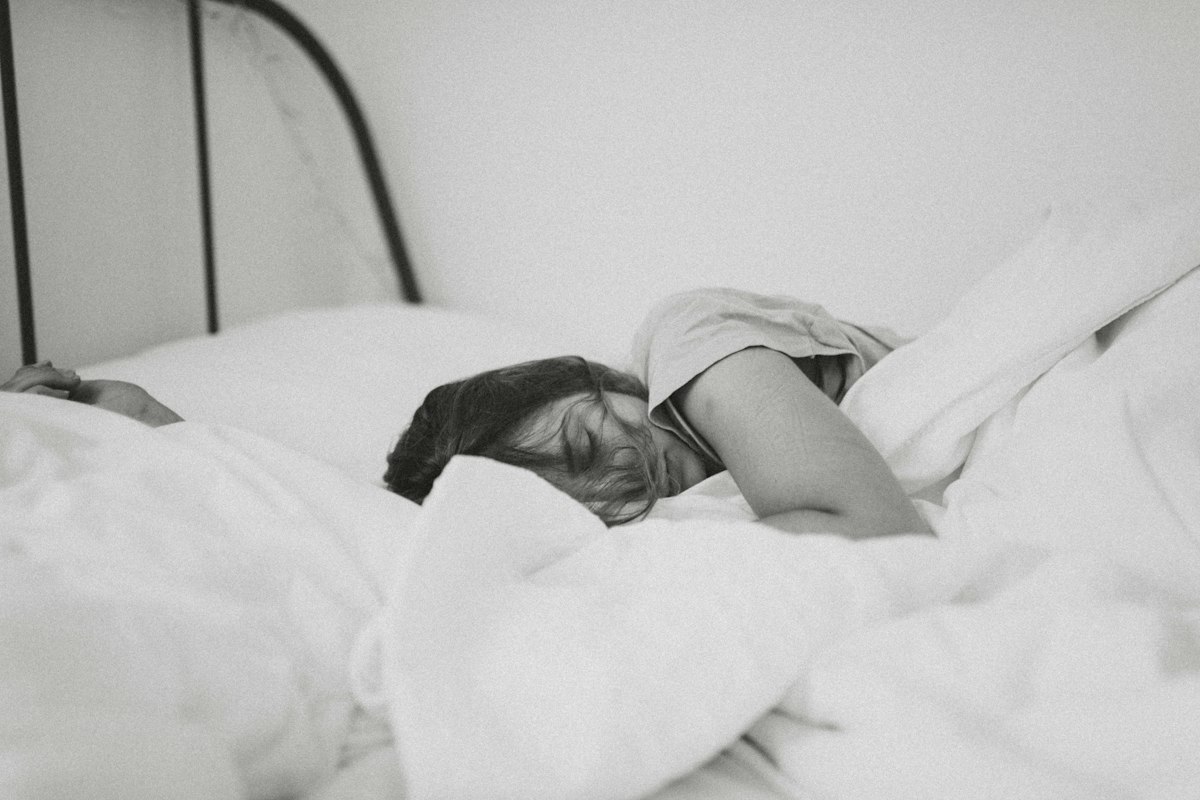
Sleep Optimization for Anti-Aging: Complete Guide
Learn how sleep quality and duration affect biological aging, the science of sleep's repair functions, and evidence-based strategies to optimize sleep for longevity.
Table of Contents
DISCLAIMER
This article is for informational purposes only and does not constitute medical advice. The statements in this article have not been evaluated by the FDA. The information presented is based on published research and should not be used as a substitute for professional medical guidance. Consult your physician before starting any supplement or health protocol.
The Most Underrated Longevity Intervention
In the hierarchy of longevity interventions, sleep is arguably the most undervalued. While exercise and diet receive extensive attention, sleep represents a fundamental biological process during which critical maintenance, repair, and renewal functions occur. During the seven to nine hours you spend sleeping each night, your body conducts DNA repair, clears metabolic waste from the brain, consolidates memories, regulates hormones, and maintains immune function. Disrupting this process accelerates biological aging through multiple well-characterized mechanisms.
The science is clear: chronic poor sleep is not merely an inconvenience but a genuine accelerator of biological aging, associated with shorter telomeres, older epigenetic age, increased inflammation, and elevated risk of every major age-related disease.
How Sleep Affects Aging
DNA Repair and Genomic Maintenance
During sleep, particularly during deep slow-wave sleep, DNA repair mechanisms are upregulated. Research has shown that:
- Neurons accumulate DNA damage during waking hours through normal metabolic activity
- Sleep provides a window for enhanced DNA repair enzyme activity
- Sleep deprivation leads to accumulation of DNA damage markers
- Chronic sleep restriction is associated with shorter telomeres, suggesting ongoing genomic damage
A 2012 study found that elderly individuals sleeping fewer than 5 hours per night had significantly shorter telomeres than those sleeping 7 or more hours, even after adjusting for age, BMI, and other factors.
The Glymphatic System
One of the most important discoveries in sleep science is the glymphatic system — a brain waste clearance system that is primarily active during sleep. During deep sleep:
- Cerebrospinal fluid flows through brain tissue, flushing out metabolic waste
- Beta-amyloid (associated with Alzheimer’s disease) is cleared at dramatically higher rates during sleep
- Tau protein and other neurotoxic waste products are removed
- The space between brain cells expands by approximately 60%, facilitating waste clearance
Chronic sleep deprivation may impair glymphatic clearance, potentially contributing to the accumulation of toxic proteins associated with neurodegenerative diseases.
Growth Hormone Release
Approximately 75% of daily growth hormone secretion occurs during deep sleep. Growth hormone is essential for:
- Tissue repair and regeneration
- Muscle protein synthesis
- Bone density maintenance
- Fat metabolism
- Immune function support
The age-related decline in deep sleep parallels the decline in growth hormone production, suggesting that maintaining sleep quality may help preserve growth hormone secretion with aging.
Immune Function
Sleep is a critical regulator of immune function:
- Natural killer cell activity (important for cancer surveillance) drops significantly after just one night of poor sleep
- Cytokine production patterns are regulated by sleep-wake cycles
- Chronic sleep restriction shifts immune function toward a pro-inflammatory state
- Vaccine responses are significantly blunted in sleep-deprived individuals
A 2016 systematic review found that sleep disturbance and short sleep duration were associated with elevated inflammatory markers (CRP, IL-6), providing a direct mechanism linking poor sleep to inflammaging.
Metabolic Regulation
Sleep deprivation disrupts metabolic function through:
- Impaired insulin sensitivity (reduced by up to 30% after just 4 nights of short sleep)
- Elevated cortisol levels, particularly in the evening
- Disrupted hunger hormones (increased ghrelin, decreased leptin), promoting overeating
- Reduced resting metabolic rate
- Impaired glucose tolerance
These metabolic disruptions contribute to weight gain, insulin resistance, and cardiovascular risk — all of which accelerate biological aging.
Epigenetic Effects
Emerging research links sleep to epigenetic aging:
- Shift workers with disrupted sleep patterns show accelerated epigenetic aging
- Short sleep duration is associated with older epigenetic age in multiple studies
- Sleep disruption may affect DNA methylation patterns at genes involved in circadian regulation and inflammation
Sleep Architecture and Aging
Understanding Sleep Stages
A typical night’s sleep cycles through several stages:
N1 (Light Sleep): Transition stage between wakefulness and sleep. Brief, approximately 5% of total sleep.
N2 (Moderate Sleep): The predominant sleep stage, comprising approximately 50% of total sleep. Important for memory consolidation and motor learning.
N3 (Deep/Slow-Wave Sleep): The most restorative stage, comprising approximately 15-25% of total sleep. Critical for physical restoration, growth hormone release, immune function, and glymphatic clearance.
REM (Rapid Eye Movement): Dream sleep, comprising approximately 20-25% of total sleep. Essential for emotional processing, memory consolidation, and cognitive function.
How Sleep Architecture Changes With Age
One of the most consistent findings in sleep research is that sleep architecture changes significantly with aging:
- Deep sleep declines: N3 sleep decreases substantially, starting in the 30s and declining more steeply after 60. Some older adults get very little deep sleep.
- Sleep becomes lighter: More time in N1 and N2, with more frequent awakenings
- Sleep efficiency decreases: The ratio of time asleep to time in bed declines
- Circadian rhythm shifts: The internal clock tends to advance, leading to earlier bedtimes and wake times
- REM sleep is relatively preserved: Though total REM time may decrease slightly
These changes are not entirely inevitable — lifestyle factors can significantly influence sleep quality and architecture at any age.
Evidence-Based Sleep Optimization
Environment
Temperature: The optimal bedroom temperature for sleep is approximately 65-68 degrees Fahrenheit (18-20 degrees Celsius). Core body temperature needs to drop by approximately 1 degree Celsius to initiate sleep, and a cool room facilitates this process. Research shows that ambient temperature is one of the strongest environmental influences on sleep quality.
Light: Complete darkness optimizes melatonin production. Even low levels of ambient light during sleep have been associated with increased insulin resistance and cardiovascular risk in recent studies. Use blackout curtains and remove or cover all light sources.
Sound: Consistent ambient noise or silence is preferable to intermittent noise. White noise machines can mask disruptive sounds. Complete silence is ideal if achievable.
Air quality: Good ventilation supports sleep quality. Some research suggests that CO2 levels in poorly ventilated bedrooms rise enough overnight to impair sleep quality.
Timing and Consistency
Consistent schedule: Maintaining the same sleep and wake times (within 30 minutes) every day, including weekends, is one of the most important sleep optimization strategies. Social jet lag (the difference between weekday and weekend sleep timing) is associated with poorer health outcomes and accelerated biological aging.
Sleep window: Most adults should aim for 7-9 hours of sleep opportunity (time in bed). If you consistently sleep less than 7 hours, gradually extending your sleep window by 15-30 minutes can be beneficial.
Align with circadian biology: The body’s sleep propensity and restorative processes are optimally timed for nighttime sleep. Shift work and chronically inverted schedules disrupt circadian alignment and are associated with accelerated aging.
Light Exposure Management
Morning bright light: Exposure to bright light (ideally sunlight) within 30-60 minutes of waking helps set the circadian clock and improves subsequent sleep quality. Aim for 10-20 minutes of outdoor light exposure in the morning.
Evening light reduction: Reduce bright light exposure, particularly blue-enriched light from screens, for 1-2 hours before bed. Blue light suppresses melatonin production and delays circadian timing. If screen use is necessary, use blue-light filtering modes or glasses.
Exercise for Better Sleep
Regular exercise is one of the most effective natural sleep aids:
- Aerobic exercise improves sleep quality, increases deep sleep, and reduces sleep onset latency
- The effect is most pronounced when exercise is consistent (at least 3-4 times per week)
- Timing matters: most people sleep best with exercise completed at least 3-4 hours before bed, though individual responses vary
- Resistance training also improves sleep quality in studies
Nutrition and Sleep
Caffeine: Has a half-life of 5-7 hours. Consuming caffeine after noon can significantly impair sleep quality even if you do not notice difficulty falling asleep. The effect on deep sleep is particularly pronounced.
Alcohol: While alcohol may help you fall asleep faster, it significantly disrupts sleep architecture, reducing REM and deep sleep, increasing nighttime awakenings, and impairing overall sleep quality. Even moderate evening alcohol consumption measurably reduces sleep quality.
Meal timing: Large meals close to bedtime can disrupt sleep through thermogenic effects and digestive demands. Finishing eating 2-3 hours before bed is generally recommended.
Sleep-supportive nutrients: Magnesium (400-500mg before bed) has modest evidence for improving sleep quality, particularly in those with low intake. Tart cherry juice (natural melatonin source) and glycine (3g before bed) have shown some benefit in small studies.
Stress and Cognitive Management
Wind-down routine: Establishing a consistent 30-60 minute pre-sleep routine signals to the brain that sleep is approaching. This might include reading, light stretching, journaling, or meditation.
Cognitive offloading: Writing down worries, tomorrow’s tasks, or anxious thoughts before bed can reduce rumination and improve sleep onset. A study found that writing a specific to-do list for the next day helped participants fall asleep significantly faster.
Relaxation techniques: Progressive muscle relaxation, body scan meditation, and slow breathing exercises (4-7-8 breathing) can activate the parasympathetic nervous system and facilitate sleep onset.
Advanced Considerations
Sleep Tracking
Consumer sleep trackers (Oura Ring, Apple Watch, WHOOP) can provide useful data about sleep patterns, but with limitations:
- Most consumer devices estimate sleep stages with moderate accuracy (approximately 70-80% agreement with polysomnography)
- Trends over time are more useful than single-night data
- Avoid obsessing over nightly scores (a phenomenon called “orthosomnia”)
- Heart rate variability (HRV) during sleep is a useful proxy for recovery quality
When to Seek Professional Help
Consult a sleep specialist if you experience:
- Persistent inability to fall or stay asleep despite good sleep hygiene
- Loud snoring, gasping, or witnessed breathing pauses (possible sleep apnea)
- Excessive daytime sleepiness despite adequate sleep duration
- Restless legs or periodic limb movements
- Significant sleep schedule difficulties (possible circadian rhythm disorder)
Sleep apnea, in particular, is severely underdiagnosed and is a major accelerator of biological aging through intermittent hypoxia and sleep fragmentation.
Napping
Short naps (10-20 minutes) in the early afternoon can improve alertness and cognitive function without significantly impacting nighttime sleep. Longer naps (>30 minutes) or late-afternoon naps may reduce sleep pressure and make nighttime sleep more difficult.
The Bottom Line
Sleep is not merely downtime but an active, essential biological process that maintains the cellular and molecular systems damaged during waking life. Optimizing sleep quality and duration through environmental control, consistent timing, light management, and lifestyle factors represents one of the most accessible and impactful anti-aging interventions available. The evidence consistently shows that protecting your sleep protects your biological age. In a field full of expensive supplements and emerging therapies, improving your sleep is free, immediate, and profoundly effective.
This article is for informational purposes only and does not constitute medical advice. Consult a qualified healthcare professional for personalized health guidance.
Frequently Asked Questions
How many hours of sleep do you need to slow aging?
Does poor sleep actually accelerate aging?
What is the most important aspect of sleep for anti-aging?
Sources
Stay Updated on Longevity Science
Weekly research digests. No spam, unsubscribe anytime.
Related Articles

Alcohol and Aging: What the Latest Research Says
A review of the latest research on alcohol's effects on aging, biological age, disease risk, and longevity, including evolving views on moderate drinking.
9 min read
Breathwork Practices That May Support Healthy Aging
Explore how breathwork techniques like box breathing, Wim Hof, and pranayama may influence stress, inflammation, and biological aging markers.
12 min readCold Exposure and Longevity: Benefits and Research
Examine the evidence for cold exposure benefits including cold plunges and showers, how cold stress may activate longevity pathways, and protocols.
9 min read