Best Exercise Types for Longevity: Ranked by Research
Discover which exercise types research ranks highest for longevity, from Zone 2 cardio to resistance training, based on peer-reviewed studies.
Table of Contents
DISCLAIMER
This article is for informational purposes only and does not constitute medical advice. The statements in this article have not been evaluated by the FDA. The information presented is based on published research and should not be used as a substitute for professional medical guidance. Consult your physician before starting any supplement or health protocol.
Why Exercise May Be the Most Powerful Longevity Tool
Among all the strategies studied for extending healthspan and lifespan, physical exercise stands out as having the most robust and consistent evidence base. Research consistently demonstrates that regular physical activity is associated with reduced all-cause mortality, decreased risk of virtually every age-related disease, and improved functional capacity throughout the lifespan.
A landmark 2022 study published in the Journal of the American College of Cardiology analyzed data from over 750,000 adults and found that cardiorespiratory fitness was inversely associated with mortality risk across all spectra of age, race, and sex. Notably, the study found no upper limit at which exercise became harmful, with the most fit individuals having the lowest mortality risk.
The question for longevity-minded individuals is not whether to exercise, but which types of exercise provide the greatest benefits and how to optimally allocate training time.
The Exercise Types Ranked by Longevity Research
1. Aerobic Exercise (Zone 2 Training)
Zone 2 training — moderate-intensity aerobic exercise performed at approximately 60-70% of maximum heart rate — has emerged as the cornerstone of longevity-focused exercise programs. At this intensity, the body primarily uses fat for fuel and develops the mitochondrial density and efficiency that supports healthy aging.
Why Zone 2 ranks highest:
- VO2 max improvement: VO2 max is considered one of the strongest predictors of all-cause mortality. Research suggests that a low VO2 max carries a mortality risk comparable to smoking or diabetes. Zone 2 training effectively improves VO2 max, particularly when combined with occasional higher-intensity efforts.
- Mitochondrial health: Zone 2 exercise stimulates mitochondrial biogenesis, the production of new mitochondria. Since mitochondrial dysfunction is a hallmark of aging, maintaining mitochondrial health through regular aerobic exercise may slow biological aging.
- Metabolic flexibility: Regular Zone 2 training improves the body’s ability to switch between fat and carbohydrate metabolism, a capacity that declines with aging and metabolic disease.
- Cardiovascular protection: A 2014 study published in the Journal of the American College of Cardiology found that even 5-10 minutes of daily running at slow speeds was associated with significantly reduced cardiovascular and all-cause mortality risk.
Practical recommendation: Research suggests 3-4 sessions of 30-60 minutes per week of Zone 2 cardio, where you can maintain a conversation but with some effort.
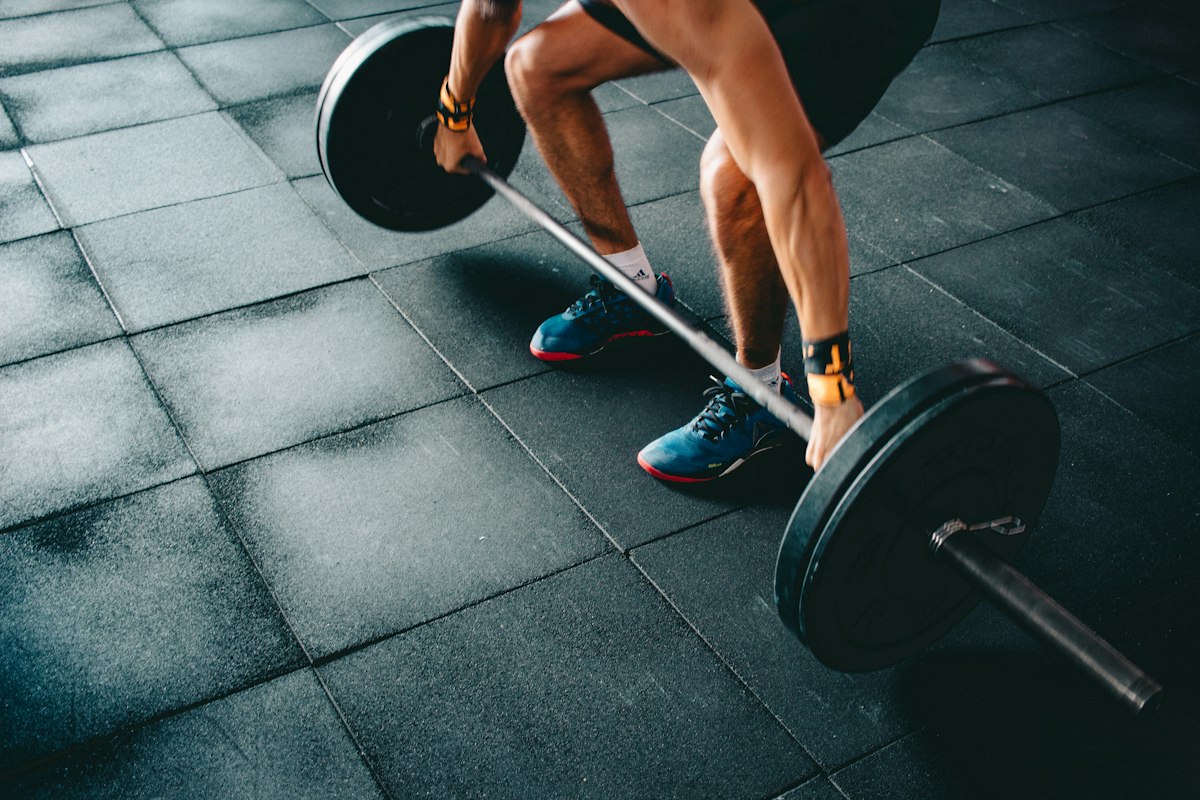
2. Resistance Training
Resistance training (weight lifting, bodyweight exercises, resistance bands) is increasingly recognized as essential for longevity, not just for athletes or those seeking aesthetic changes.
Why resistance training is critical for longevity:
- Muscle mass preservation: Sarcopenia (age-related muscle loss) begins around age 30 and accelerates after 60. Muscle mass is independently associated with longevity, and resistance training is the most effective way to maintain and build muscle throughout life.
- Bone density: Resistance training provides mechanical loading that stimulates bone formation, helping prevent osteoporosis and reducing fracture risk, a major cause of morbidity and mortality in older adults.
- Metabolic health: Muscle tissue is a major site of glucose disposal. Maintaining muscle mass through resistance training supports insulin sensitivity and metabolic health.
- Mortality reduction: A landmark 2008 study published in the British Medical Journal followed over 8,000 men for nearly two decades and found that muscular strength was inversely associated with all-cause mortality, independent of cardiorespiratory fitness.
- Functional independence: Maintaining strength is essential for activities of daily living and preventing falls, which are a leading cause of injury-related death in older adults.
Practical recommendation: Research supports 2-3 sessions per week targeting all major muscle groups, with progressive overload (gradually increasing resistance over time).
3. High-Intensity Interval Training (HIIT)
HIIT involves short bursts of intense exercise alternated with recovery periods. While it should complement rather than replace Zone 2 training and resistance work, HIIT offers unique benefits for aging.
Why HIIT matters for longevity:
- VO2 max enhancement: HIIT is the most time-efficient method for improving VO2 max, which research identifies as a top predictor of mortality
- Mitochondrial rejuvenation: A study from the Mayo Clinic found that HIIT reversed many age-related differences in mitochondrial protein and gene expression in older adults
- Time efficiency: For those with limited time, HIIT may provide substantial cardiovascular benefits in as little as 15-20 minutes per session
- Metabolic benefits: HIIT has been shown to improve insulin sensitivity, reduce blood pressure, and enhance metabolic rate
Practical recommendation: 1-2 sessions per week of HIIT, with adequate recovery between sessions. This may include sprint intervals, cycling intervals, or circuit-style training.
4. Flexibility and Mobility Work
While often overlooked in longevity discussions, maintaining flexibility and mobility is important for long-term functional health and injury prevention.
Why flexibility matters:
- Fall prevention: Maintaining mobility and balance reduces the risk of falls, a major threat to longevity in older adults
- Joint health: Regular stretching and mobility work may help preserve joint function and reduce the impact of age-related changes
- Recovery support: Flexibility work can support recovery from more intense exercise modalities
- Functional capacity: Range of motion is a key component of the functional fitness that determines quality of life in older age
Practical recommendation: Daily or near-daily stretching and mobility work, with additional practices such as yoga or tai chi that combine flexibility with balance training.
5. Balance and Stability Training
Balance ability declines with age and is strongly associated with fall risk and mortality in older adults. Research suggests that balance training should be a component of any longevity-focused exercise program.
Why balance matters:
- Fall prevention: Falls are the leading cause of injury-related death in adults over 65. Balance training can reduce fall risk by 20-40% according to meta-analyses
- Neurological health: Balance requires complex neuromuscular coordination that may support cognitive function
- Functional independence: Maintaining balance is essential for everyday activities like walking, climbing stairs, and getting out of chairs
Practical recommendation: Incorporate balance challenges into daily activities and resistance training. Single-leg exercises, stability ball work, and practices like yoga and tai chi all develop balance.
The Optimal Longevity Exercise Program
Based on current research, an evidence-based longevity exercise program might include:
Weekly Structure
| Day | Training Focus | Duration |
|---|---|---|
| Monday | Resistance training (upper body) | 45-60 min |
| Tuesday | Zone 2 cardio | 45-60 min |
| Wednesday | Resistance training (lower body) | 45-60 min |
| Thursday | Zone 2 cardio | 45-60 min |
| Friday | HIIT or Zone 2 cardio | 20-45 min |
| Saturday | Resistance training (full body) or recreational activity | 45-60 min |
| Sunday | Active recovery, flexibility, mobility | 30-45 min |
Key Principles
-
Consistency over intensity: The most important factor is showing up regularly. Research suggests that the difference between no exercise and moderate exercise is far greater than the difference between moderate and intense exercise.
-
Progressive overload: Gradually increasing the challenge over time is essential for continued adaptation, whether that means adding weight, increasing volume, or extending duration.
-
Recovery: Adequate rest between intense sessions is important, particularly for older adults. Sleep, nutrition, and stress management all influence recovery capacity.
-
Enjoyment: Adherence is the most important variable. The best exercise program is one that you will actually perform consistently over years and decades.
Exercise and Biological Age
Emerging research using epigenetic clocks has provided direct evidence that exercise may slow biological aging:
- Studies have found that regular exercisers have biologically younger epigenetic profiles compared to sedentary individuals
- A randomized trial found that six months of exercise training reduced DunedinPACE (pace of aging) in previously sedentary adults
- Higher cardiorespiratory fitness has been associated with slower telomere shortening, another marker of biological aging
Common Concerns and Misconceptions
”I’m too old to start exercising”
Research consistently shows that exercise benefits are available at any age. Studies in adults aged 70-90 have demonstrated that even modest resistance training programs can increase muscle strength, improve balance, and reduce fall risk. The best time to start is now, regardless of age.
”Cardio is enough”
While aerobic exercise is important, research increasingly emphasizes that resistance training provides unique and complementary benefits for longevity. The combination of both appears to be superior to either alone.
”More is always better”
While the general trend favors more exercise, recovery capacity varies between individuals and declines somewhat with age. Overtraining can increase injury risk, suppress immune function, and cause burnout. Finding the right balance for your current fitness level and recovery capacity is important.
The Bottom Line
Exercise is arguably the most well-supported longevity intervention available today. Research suggests that a program combining regular Zone 2 aerobic training, resistance training, and occasional high-intensity work provides the most comprehensive benefits for healthspan and lifespan. The most important step is to begin and to maintain consistency over time. Individual programs should be tailored to current fitness levels, health status, and preferences, ideally with guidance from a qualified fitness or healthcare professional.
This article is for informational purposes only and does not constitute medical advice. Consult a qualified healthcare professional before beginning a new exercise program, particularly if you have existing health conditions.
Frequently Asked Questions
What is the single best exercise for longevity?
How much exercise do you need for longevity benefits?
Is too much exercise bad for longevity?
Sources
- Leisure-Time Running Reduces All-Cause and Cardiovascular Mortality Risk(2014)
- Association between muscular strength and mortality in men(2008)
- Cardiorespiratory Fitness and Mortality Risk Across the Spectra of Age, Race, and Sex(2022)
- Physical Activity and All-Cause Mortality Across Levels of Overall and Abdominal Adiposity(2015)
Stay Updated on Longevity Science
Weekly research digests. No spam, unsubscribe anytime.
Related Articles

Alcohol and Aging: What the Latest Research Says
A review of the latest research on alcohol's effects on aging, biological age, disease risk, and longevity, including evolving views on moderate drinking.
9 min read
Breathwork Practices That May Support Healthy Aging
Explore how breathwork techniques like box breathing, Wim Hof, and pranayama may influence stress, inflammation, and biological aging markers.
12 min readCold Exposure and Longevity: Benefits and Research
Examine the evidence for cold exposure benefits including cold plunges and showers, how cold stress may activate longevity pathways, and protocols.
9 min read