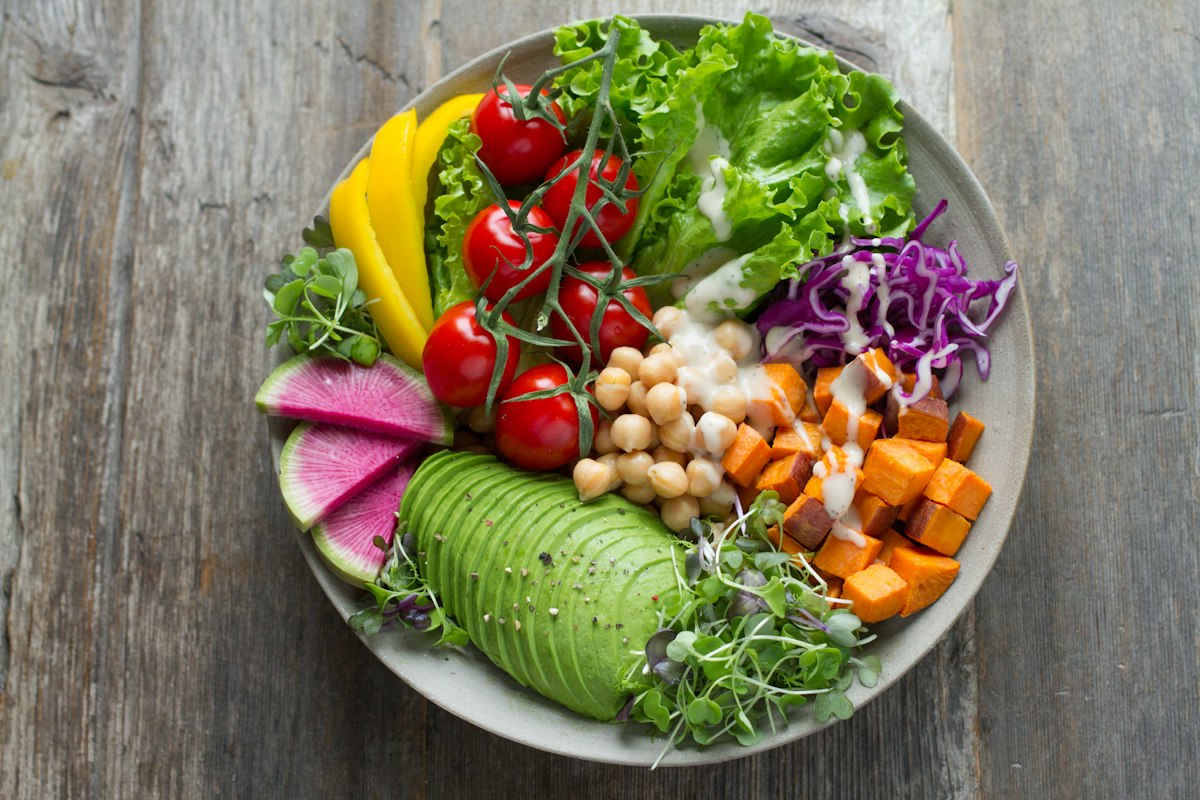
Fiber and Longevity: How Dietary Fiber May Extend Your Lifespan
Higher fiber intake is consistently linked to longer lifespan. Explore how different fiber types support gut health, metabolism, and healthy aging.
Table of Contents
DISCLAIMER
This article is for informational purposes only and does not constitute medical advice. The statements in this article have not been evaluated by the FDA. The information presented is based on published research and should not be used as a substitute for professional medical guidance. Consult your physician before starting any supplement or health protocol.
The Longevity Nutrient Hiding in Plain Sight
While supplement shelves overflow with exotic longevity compounds, one of the most consistently supported dietary factors for lifespan extension receives remarkably little attention: fiber. Meta-analyses involving hundreds of thousands of participants consistently show that higher fiber intake is associated with reduced mortality from virtually all major causes of death.
Yet most adults in developed countries consume only about half the recommended fiber intake. This gap between evidence and behavior may represent one of the largest missed opportunities in longevity nutrition.
The Evidence for Fiber and Lifespan
Meta-Analytic Evidence
A 2014 systematic review and meta-analysis published in the American Journal of Epidemiology analyzed 17 prospective studies and found that each 10-gram increase in daily fiber intake was associated with approximately 10 percent reduced risk of all-cause mortality. Benefits were observed for both cardiovascular and cancer-related deaths.
A comprehensive 2019 meta-analysis commissioned by the WHO, published in The Lancet, examined 185 prospective studies and 58 clinical trials. The findings showed:
- 15 to 30 percent reduction in all-cause and cardiovascular mortality with higher fiber intake
- Reduced incidence of coronary heart disease, stroke, type 2 diabetes, and colorectal cancer
- Greatest benefits at intakes of 25 to 29 grams daily
- Dose-response relationship suggesting more fiber generally means more benefit
Consistency Across Populations
The fiber-longevity association has been demonstrated across diverse populations, dietary patterns, and geographic regions. This consistency strengthens the case for a causal relationship beyond mere association.
How Fiber Supports Longevity
Gut Microbiome Nourishment
A 2017 review in Trends in Microbiology detailed how dietary fiber shapes the gut microbiome. Fiber serves as the primary fuel for beneficial gut bacteria, which ferment it into short-chain fatty acids (SCFAs):
- Butyrate: Provides energy to colonocytes, supports gut barrier integrity, and has anti-inflammatory and anti-cancer properties
- Propionate: Transported to the liver where it may reduce cholesterol and glucose production
- Acetate: Distributed systemically where it may influence appetite, inflammation, and metabolism
Without adequate fiber, beneficial bacteria starve, microbial diversity decreases, and the gut may shift toward a more inflammatory state, directly contributing to accelerated aging.
Metabolic Health
Fiber supports metabolic health through multiple mechanisms:
- Slowing carbohydrate absorption, reducing glycemic spikes
- Improving insulin sensitivity
- Reducing circulating LDL cholesterol through bile acid binding
- Promoting satiety and supporting healthy body weight
- Supporting healthy blood pressure
Inflammation Reduction
Research suggests fiber may reduce chronic inflammation through:
- SCFA-mediated immune modulation
- Improved gut barrier function (reducing endotoxin translocation)
- Modulation of inflammatory gene expression
- Support for anti-inflammatory gut bacterial populations
Cancer Protection
Higher fiber intake is associated with reduced risk of several cancers, particularly colorectal cancer. Mechanisms may include:
- Butyrate’s effects on cell cycle regulation and apoptosis
- Dilution and binding of potential carcinogens in the intestinal lumen
- Reduced transit time limiting exposure to harmful compounds
- Modulation of bile acid metabolism
Types of Fiber and Their Roles
Soluble Fiber
Dissolves in water to form a gel-like substance:
- Sources: Oats, barley, beans, lentils, fruits (apples, citrus), psyllium
- Benefits: Cholesterol reduction, blood sugar regulation, prebiotic effects
- Mechanism: Slows digestion, binds bile acids, feeds specific beneficial bacteria
Insoluble Fiber
Does not dissolve in water:
- Sources: Whole wheat, nuts, vegetables (cauliflower, green beans), potato skins
- Benefits: Digestive regularity, stool bulk, reduced transit time
- Mechanism: Adds bulk to stool, stimulates peristalsis, dilutes potential toxins
Resistant Starch
A type of starch that resists digestion and functions like fiber:
- Sources: Cooled cooked potatoes, green bananas, legumes, whole grains
- Benefits: Powerful prebiotic effect, particularly for butyrate-producing bacteria
- Mechanism: Reaches the colon intact where it is fermented by beneficial bacteria
Prebiotic Fibers
Specific fiber types that selectively promote beneficial bacteria:
- Inulin: Found in chicory root, garlic, onions, asparagus
- Fructooligosaccharides (FOS): Found in bananas, onions, leeks
- Galactooligosaccharides (GOS): Found in legumes
Fiber-Rich Eating Patterns and Longevity
Blue Zone Diets
The dietary patterns of the world’s longest-lived populations share high fiber intake as a common feature:
- Okinawans consume sweet potatoes, vegetables, and soy products
- Sardinians eat whole grain bread, beans, and garden vegetables
- Seventh-Day Adventists in Loma Linda emphasize beans, whole grains, and nuts
- All Blue Zone diets provide 50 to 80+ grams of fiber daily, far exceeding typical Western intake
Mediterranean Diet Fiber
The Mediterranean diet, consistently associated with longevity, is naturally high in fiber from legumes, whole grains, vegetables, fruits, and nuts. Studies suggest the fiber content may be a significant contributor to its health benefits.
Practical Strategies for Increasing Fiber
Gradual Increase
Rapidly increasing fiber intake can cause digestive discomfort. A gradual approach works best:
- Week 1-2: Add one extra serving of vegetables or fruit daily
- Week 3-4: Incorporate legumes 2-3 times per week
- Week 5-6: Switch refined grains to whole grains
- Week 7-8: Continue increasing variety and quantity
High-Impact Swaps
Simple substitutions that significantly increase fiber intake:
| Instead of | Choose | Fiber gain |
|---|---|---|
| White rice | Brown rice or quinoa | +3-4g per serving |
| White bread | Whole grain bread | +3-4g per serving |
| Chips | Raw vegetables with hummus | +5-8g per serving |
| Fruit juice | Whole fruit | +3-4g per serving |
| Refined cereal | Oatmeal with berries | +5-7g per serving |
Fiber-Rich Foods
| Food | Serving | Fiber (g) |
|---|---|---|
| Lentils, cooked | 1 cup | 15.6 |
| Black beans, cooked | 1 cup | 15.0 |
| Avocado | 1 medium | 13.5 |
| Artichoke | 1 medium | 10.3 |
| Raspberries | 1 cup | 8.0 |
| Oatmeal | 1 cup cooked | 4.0 |
| Broccoli | 1 cup | 5.1 |
| Almonds | 1 oz | 3.5 |
The Fiber Gap and Why It Exists
Despite strong evidence, most adults fall far short of recommended fiber intake:
- Recommended: 25-30+ grams daily
- Average intake: 15-17 grams daily in the US and many Western countries
- Only about 5 percent of adults meet fiber recommendations
This gap is driven by:
- High consumption of processed and refined foods
- Low legume consumption in many Western diets
- Preference for refined grains over whole grains
- Insufficient vegetable and fruit intake
Safety Considerations
Digestive Adaptation
- Increase fiber gradually to allow gut bacteria to adjust
- Drink adequate water with high-fiber diets
- Some individuals with irritable bowel syndrome may need to manage specific fiber types
- Gas and bloating are normal initially but typically resolve within 2-4 weeks
Medication Interactions
- High fiber intake may affect absorption of some medications
- Take medications 1-2 hours before or after high-fiber meals if absorption is a concern
- Discuss fiber intake changes with a healthcare provider if taking time-sensitive medications
The Bottom Line
Dietary fiber may be the most underappreciated longevity nutrient, with meta-analytic evidence consistently supporting its role in reducing mortality from cardiovascular disease, cancer, and other major causes of death. Its mechanisms span gut microbiome health, inflammation reduction, metabolic support, and cancer protection.
Closing the fiber gap by gradually increasing intake from diverse whole food sources represents one of the highest-impact, lowest-cost, and best-evidenced dietary strategies for supporting longevity. Before reaching for exotic supplements, ensuring adequate fiber intake may be the single most impactful nutritional change most people can make.
Frequently Asked Questions
How much fiber do you need for longevity benefits?
Which types of fiber are best for anti-aging?
Can you get too much fiber?
Sources
Stay Updated on Longevity Science
Weekly research digests. No spam, unsubscribe anytime.
Related Articles
AGEs in Your Diet: How Advanced Glycation End Products Accelerate Aging
Advanced glycation end products in food may accelerate aging. Learn which foods are highest in AGEs and how cooking methods affect your aging rate.
9 min read
Anti-Aging Breakfast Ideas: Start Your Day With Longevity-Supporting Foods
Science-backed anti-aging breakfast ideas that support longevity. Learn which morning foods may promote healthy aging through nutrition research.
8 min read
Science-Backed Anti-Aging Foods: What to Eat
Discover the top science-backed anti-aging foods that may slow biological aging, from berries to leafy greens and fatty fish.
9 min read