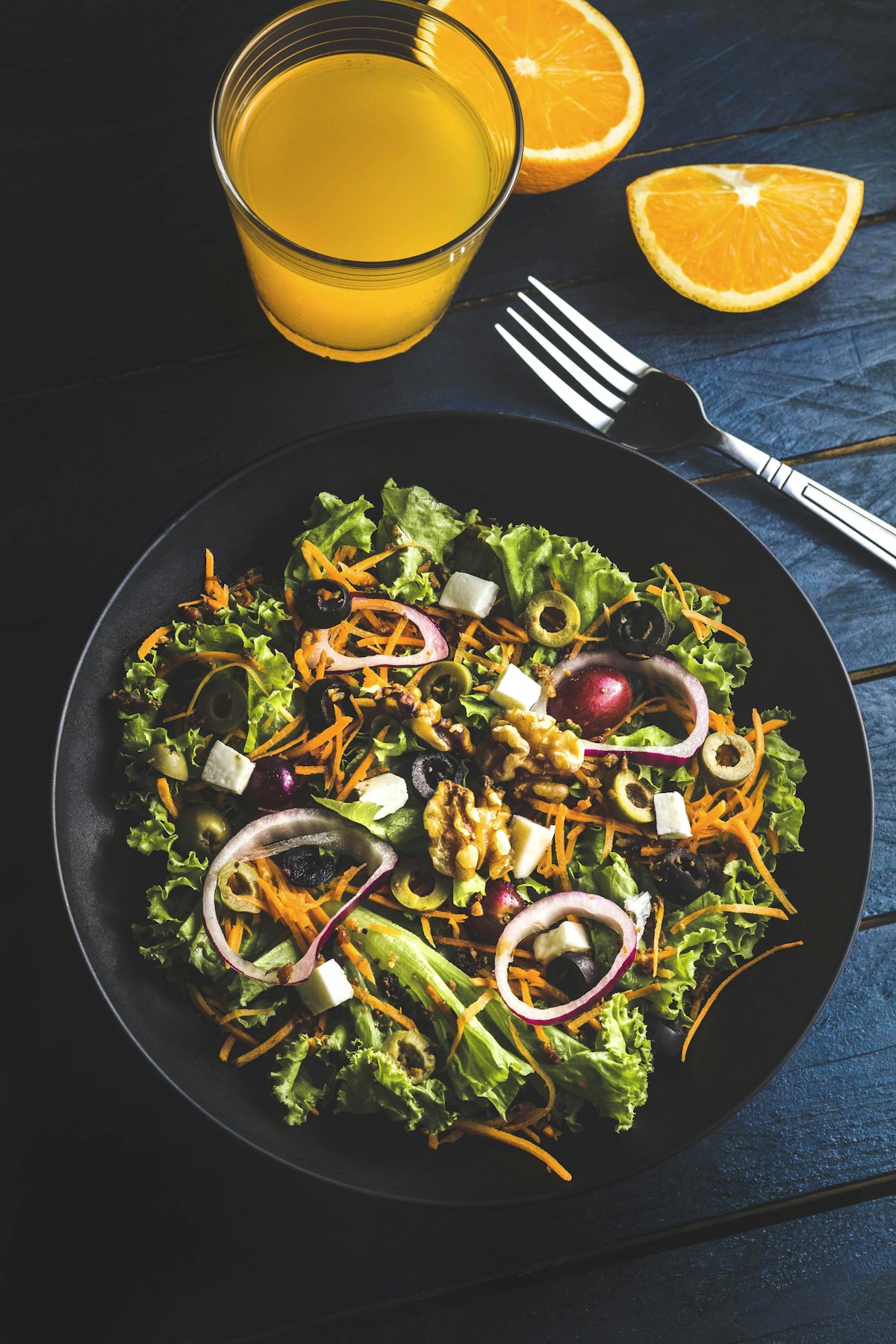
Blue Zones Diet Secrets: What Centenarians Eat
Explore the dietary patterns of the world's longest-lived populations in Blue Zones, the science behind their food choices, and how to apply their eating habits.
Table of Contents
DISCLAIMER
This article is for informational purposes only and does not constitute medical advice. The statements in this article have not been evaluated by the FDA. The information presented is based on published research and should not be used as a substitute for professional medical guidance. Consult your physician before starting any supplement or health protocol.
Lessons From the World’s Longest-Lived People
In five scattered corners of the globe, people reach age 100 at rates up to ten times higher than the United States average. They suffer a fraction of the heart disease, cancer, diabetes, and dementia that plagues the industrialized world. And they do it without expensive supplements, elaborate biohacking protocols, or cutting-edge medical interventions. Instead, they eat simply, from the land around them, following patterns that have sustained their communities for generations.
These regions, identified by researcher Dan Buettner and his team in collaboration with National Geographic and the National Institute on Aging, are called Blue Zones. While their cultures, climates, and cuisines differ dramatically, their dietary patterns share remarkable commonalities that offer powerful insights for anyone seeking to eat for a longer, healthier life.
The Five Blue Zones
Okinawa, Japan
Okinawan elders have among the highest life expectancies in the world and remarkably low rates of age-related disease. Their traditional diet centers on:
- Sweet potatoes: The staple carbohydrate, replacing rice as the primary calorie source
- Bitter melon (goya): Rich in antioxidants and compounds that may support blood sugar regulation
- Tofu and soy products: Consumed daily, providing protein and isoflavones
- Turmeric: Used abundantly in cooking and as tea
- Green vegetables: Especially leafy greens and seaweed
- Small amounts of pork: Used primarily as flavoring rather than a main course
The Okinawan tradition of hara hachi bu — eating until 80% full — represents a form of natural caloric restriction.
Sardinia, Italy
The mountainous Barbagia region of Sardinia has one of the world’s highest concentrations of male centenarians. The traditional Sardinian diet features:
- Minestrone-style vegetable soups: Often bean-based, eaten daily
- Whole grain flatbread (pane carasau): Made from high-protein durum wheat
- Fava beans and chickpeas: Dietary staples providing protein and fiber
- Pecorino cheese: From grass-fed sheep, rich in omega-3 fatty acids
- Locally produced Cannonau wine: Particularly high in polyphenols
- Garden vegetables: Tomatoes, zucchini, eggplant, and leafy greens
Nicoya Peninsula, Costa Rica
Nicoyans have some of the lowest middle-age mortality rates in the world. Their traditional diet includes:
- Black beans: Eaten at nearly every meal
- Corn tortillas: Nixtamalized corn provides bioavailable niacin and calcium
- Squash: Various varieties consumed regularly
- Tropical fruits: Papaya, banana, and citrus fruits
- Eggs: Consumed regularly from free-range chickens
- Rice: Combined with beans for complete protein
The combination of beans, corn, and squash (the “three sisters”) provides a remarkably complete nutritional profile.
Ikaria, Greece
This Greek island in the Aegean Sea has some of the lowest rates of dementia in the world. The Ikarian diet is a variant of the traditional Mediterranean pattern:
- Wild greens: Foraged from hillsides, providing exceptional micronutrient density
- Potatoes: A dietary staple, often prepared with olive oil
- Legumes: Lentils, chickpeas, and black-eyed peas
- Goat milk and cheese: Easier to digest than cow dairy
- Herbal teas: Especially sage, oregano, and rosemary tea — rich in anti-inflammatory compounds
- Honey: Local, raw honey as the primary sweetener
- Olive oil: Used generously in cooking and finishing
Loma Linda, California, USA
The Seventh-day Adventist community in Loma Linda lives approximately 10 years longer than the average American. Their dietary guidance emphasizes:
- Plant-based diet: Many Adventists are vegetarian or vegan
- Nuts: Studies show that Adventists who eat nuts five or more times per week live about two years longer than those who do not
- Whole grains: Oats, whole wheat, and other minimally processed grains
- Legumes: Beans, lentils, and soy products
- Water: Emphasis on adequate hydration
- Avoidance of processed foods: Dietary recommendations specifically discourage highly processed foods
The Common Dietary Threads
Despite geographic, cultural, and agricultural differences, Blue Zone diets share striking commonalities:
1. Plant Predominance (95% Rule)
Across all five Blue Zones, approximately 95% of dietary calories come from plants. Meat is consumed infrequently and in small portions — typically as a condiment or side dish rather than the centerpiece of a meal. This plant-forward approach provides:
- High fiber intake (supporting gut microbiome health)
- Abundant polyphenols and phytochemicals
- Lower caloric density (supporting natural caloric restriction)
- Diverse micronutrient profile
2. Legumes: The Longevity Superfood
Beans, lentils, and chickpeas appear in every Blue Zone diet. Consumption averages about one cup per day across the zones. Legumes provide:
- Plant protein with complementary amino acids
- Resistant starch that feeds beneficial gut bacteria
- Folate for DNA methylation support
- Slow-releasing carbohydrates for blood sugar stability
- Iron, magnesium, and zinc
A meta-analysis found that legume consumption is the single most protective dietary factor across Blue Zones, associated with a 7-8% reduction in mortality per 20g daily intake.
3. Whole Grains Over Refined
Each Blue Zone consumes whole or minimally processed grains rather than refined flour products. The specific grains vary by region (sweet potatoes in Okinawa, sourdough bread in Sardinia, corn tortillas in Nicoya) but share the common feature of being relatively unprocessed.
4. Nuts as Daily Practice
Nut consumption is common across Blue Zones and has been specifically linked to longevity in the Adventist Health Studies. Walnuts, almonds, pistachios, and other tree nuts provide healthy fats, protein, fiber, and unique phytochemicals. The evidence suggests that as little as a handful (about 30g) per day may provide meaningful longevity benefits.
5. Natural Caloric Moderation
None of the Blue Zone populations count calories, but all practice some form of natural caloric moderation:
- Okinawa: Hara hachi bu (eat until 80% full)
- All zones: Smaller plates, slower eating, communal meals
- Most zones: Lightest meal in late afternoon or early evening
- Limited snacking between meals
6. Water and Herbal Teas
Blue Zone populations typically drink water and herbal teas as their primary beverages. Coffee is consumed in several zones (particularly Sardinia and Nicoya). Sugary beverages are essentially absent.
7. Moderate (or No) Alcohol
Four of five Blue Zones include moderate alcohol consumption (1-2 glasses of wine daily, typically with meals). Loma Linda Adventists generally abstain. Where alcohol is consumed, it is invariably moderate, social, and accompanied by food.
The Science Behind Blue Zone Eating
Anti-Inflammatory Profile
Blue Zone diets are powerfully anti-inflammatory, providing abundant polyphenols, omega-3 fatty acids, and fiber while limiting pro-inflammatory processed foods, refined sugars, and excessive omega-6 fatty acids. Since chronic inflammation (inflammaging) is a primary driver of age-related disease, this anti-inflammatory dietary profile may be a key mechanism underlying Blue Zone longevity.
Gut Microbiome Diversity
The high fiber content of Blue Zone diets (estimated 50-100g daily, compared to the average American intake of approximately 15g) supports a diverse and robust gut microbiome. Research increasingly suggests that gut microbiome composition is a significant factor in healthy aging, influencing immune function, inflammation, and metabolic health.
Natural Caloric Restriction
The natural caloric moderation practiced in Blue Zones approximates mild caloric restriction (approximately 10-20% below ad libitum consumption). As demonstrated in the CALERIE trial, even moderate caloric restriction slows the pace of biological aging. Blue Zone populations achieve this naturally through cultural eating practices rather than deliberate restriction.
Glycemic Control
The predominance of whole foods, fiber-rich legumes and grains, and limited refined carbohydrates in Blue Zone diets supports stable blood glucose levels. Glycemic variability and chronic hyperglycemia accelerate aging through glycation (AGE formation), oxidative stress, and inflammatory signaling.
Applying Blue Zone Principles
The 80% Approach
Rather than attempting to perfectly replicate any specific Blue Zone diet, focus on the shared principles:
- Make plants the center of every meal — aim for vegetables and legumes to occupy most of your plate
- Eat beans daily — aim for at least one cup per day of any legume
- Choose whole grains over refined versions
- Eat a handful of nuts most days
- Use olive oil (if following Mediterranean variants) or other whole-food fats
- Reduce meat to a few times per week in small portions
- Eliminate ultra-processed foods as much as possible
- Slow down meals — eat with others when possible
What to Avoid
Blue Zone populations share common avoidances that may be as important as their positive food choices:
- Ultra-processed foods: Essentially absent from traditional Blue Zone diets
- Added sugars: Minimal in all zones
- Excessive meat: Particularly processed meat
- Sugary beverages: Not part of any Blue Zone tradition
- Snacking culture: Meals are defined events, not continuous grazing
Limitations and Criticisms
Demographic Challenges
Some researchers have questioned the accuracy of extreme longevity claims in Blue Zones, noting that birth registration in some regions may be unreliable for older cohorts. However, the dietary patterns identified in these regions are independently supported by nutritional science regardless of the exact centenarian counts.
Confounding Factors
Diet is just one component of Blue Zone longevity. Physical activity, social connection, sense of purpose, stress management, and family structure all contribute. Isolating the dietary contribution from these other factors is methodologically challenging.
Changing Diets
Traditional Blue Zone diets are evolving as globalization introduces processed foods to these communities. Younger generations in many Blue Zones are increasingly adopting Western dietary patterns, and some research suggests that longevity advantages may be diminishing as a result.
The Bottom Line
Blue Zone dietary patterns offer a powerful, evidence-supported template for eating for longevity. The common threads — plant predominance, daily legumes, whole grains, nuts, natural caloric moderation, and minimal processed food — are consistent with the best available nutritional science. While no diet alone guarantees a long life, the convergent evidence from five independent populations suggests that these eating patterns create a nutritional foundation that supports healthy, extended living. The most practical takeaway may be the simplest: eat mostly plants, especially beans, and do it with people you care about.
This article is for informational purposes only and does not constitute medical advice. Consult a qualified healthcare professional for personalized dietary guidance.
Frequently Asked Questions
What are Blue Zones?
What is the main dietary pattern in Blue Zones?
Can following a Blue Zones diet help me live longer?
Sources
Stay Updated on Longevity Science
Weekly research digests. No spam, unsubscribe anytime.
Related Articles
Science-Backed Anti-Aging Foods: What to Eat
Discover the top science-backed anti-aging foods that may slow biological aging, from berries to leafy greens and fatty fish.
9 min read
Anti-Inflammatory Diet and Aging: Research-Backed Strategies
Explore the science behind anti-inflammatory diets and their role in mitigating inflammaging, promoting healthspan, and supporting longevity.
12 min read
Bryan Johnson Blueprint Diet: Full Protocol Analysis
A detailed analysis of Bryan Johnson's Blueprint diet protocol, the science behind his food choices, measured results, and what aspects may be practical for others.
10 min read