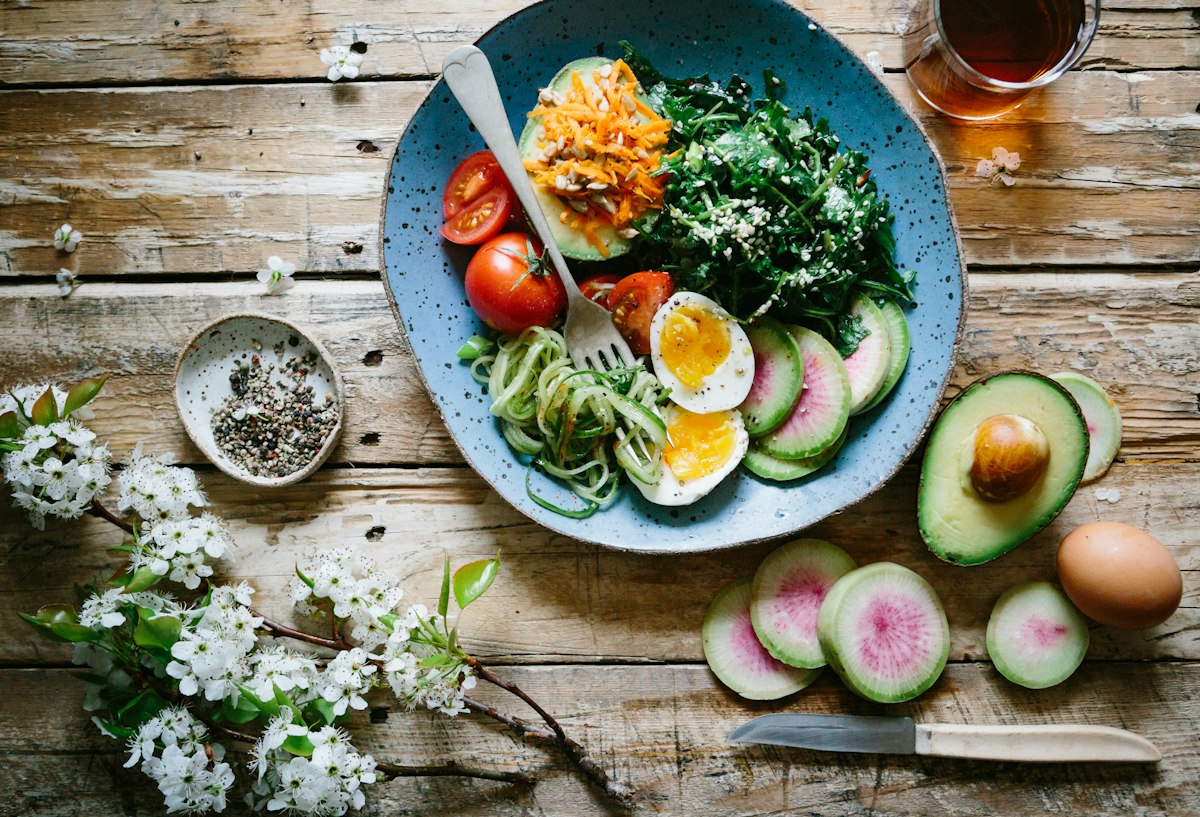
Anti-Inflammatory Diet and Aging: Research-Backed Strategies
Explore the science behind anti-inflammatory diets and their role in mitigating inflammaging, promoting healthspan, and supporting longevity.
Table of Contents
DISCLAIMER
This article is for informational purposes only and does not constitute medical advice. The statements in this article have not been evaluated by the FDA. The information presented is based on published research and should not be used as a substitute for professional medical guidance. Consult your physician before starting any supplement or health protocol.
The quest for a longer, healthier life often leads us to examine the fundamental processes within our bodies. Among these, chronic inflammation stands out as a silent, yet pervasive, contributor to aging and age-related decline. This phenomenon, aptly termed “inflammaging,” is increasingly recognized by researchers as a critical factor influencing both healthspan and longevity.
Fortunately, scientific inquiry points to a powerful, accessible tool in our arsenal against inflammaging: the anti-inflammatory diet. Far from a fleeting trend, this dietary approach is rooted in robust research, emphasizing foods rich in antioxidants, healthy fats, and fiber while minimizing those that may promote systemic inflammation. At AgainYoung, we delve into the evidence-backed strategies for harnessing the power of nutrition to support graceful aging and enhance vitality.
What is Inflammaging and Why Does It Matter for Longevity?
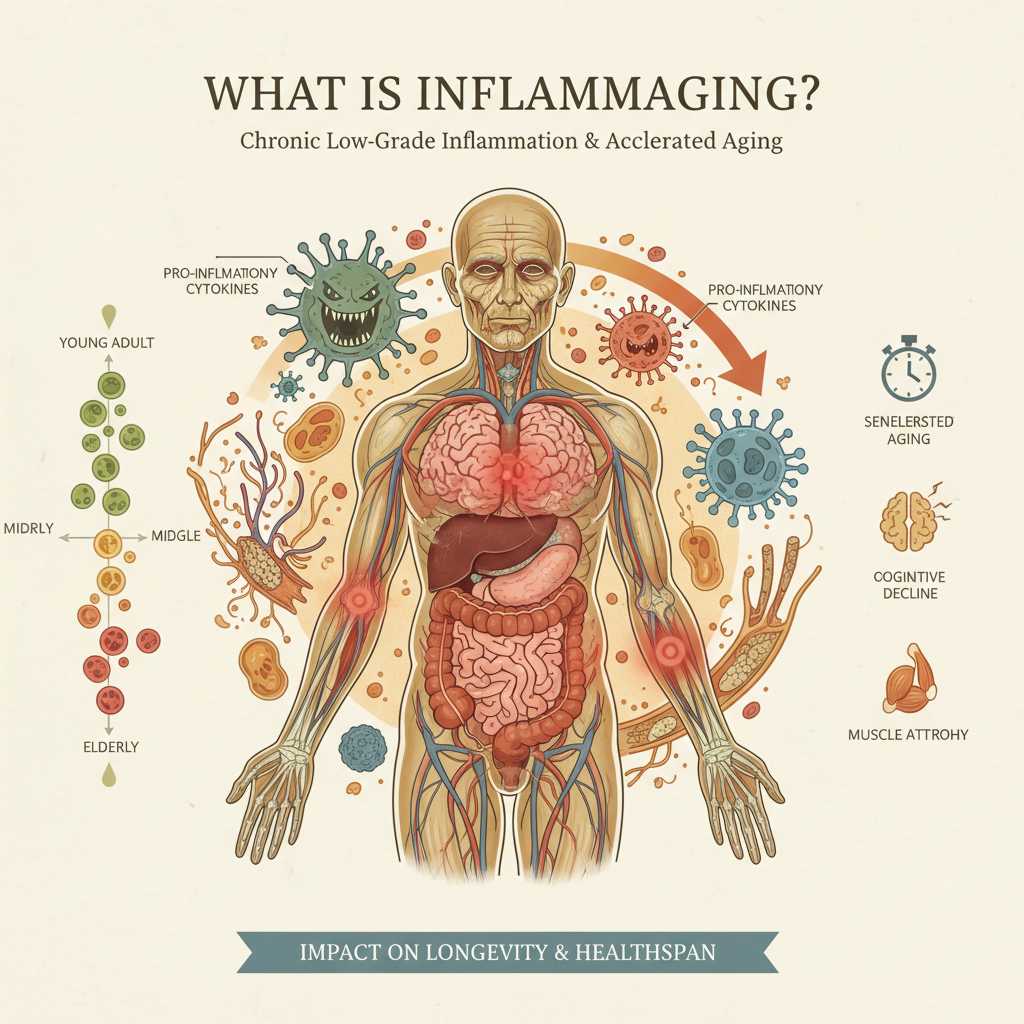
Aging is a complex biological process, but accumulating evidence suggests that chronic, low-grade inflammation plays a pivotal role in accelerating its negative effects. This persistent inflammatory state, known as “inflammaging,” is characterized by elevated levels of pro-inflammatory markers in the blood, such as C-reactive protein (CRP), interleukin-6 (IL-6), and tumor necrosis factor-alpha (TNF-α) (Franceschi et al., 2020; PMID: 33215918).
Unlike acute inflammation, which is a beneficial, short-term immune response to injury or infection, inflammaging is a chronic, systemic condition that can smolder silently for years, even decades. It appears to arise from a combination of factors, including the accumulation of senescent cells (cells that have stopped dividing but remain metabolically active and secrete pro-inflammatory compounds), oxidative stress, a dysregulated immune system, and an altered gut microbiome.
How Does Chronic Inflammation Impact Healthspan?
The persistent inflammatory milieu associated with inflammaging may contribute to the pathogenesis of nearly all age-related chronic diseases. Research indicates a strong link between elevated inflammatory markers and an increased risk for:
- Cardiovascular Disease: Inflammaging appears to fuel atherosclerosis, hypertension, and heart failure (Libby et al., 2002; PMID: 12065274).
- Neurodegenerative Diseases: Chronic inflammation is implicated in the progression of Alzheimer’s disease, Parkinson’s disease, and other cognitive impairments (Chen et al., 2020; PMID: 32269931).
- Metabolic Syndrome and Type 2 Diabetes: Inflammation can impair insulin sensitivity and contribute to metabolic dysfunction.
- Cancer: Chronic inflammation may promote tumor initiation, progression, and metastasis (Coussens & Werb, 2002; PMID: 12110555).
- Osteoporosis and Sarcopenia: Inflammaging may accelerate bone loss and muscle wasting, impacting mobility and functional independence.
- Autoimmune Conditions: It can exacerbate existing autoimmune diseases or contribute to their onset.
By understanding inflammaging, we can appreciate the profound impact that modulating inflammation may have on extending not just lifespan, but crucially, healthspan – the period of life spent in good health, free from chronic disease and disability.
How Does Diet Influence Chronic Inflammation?
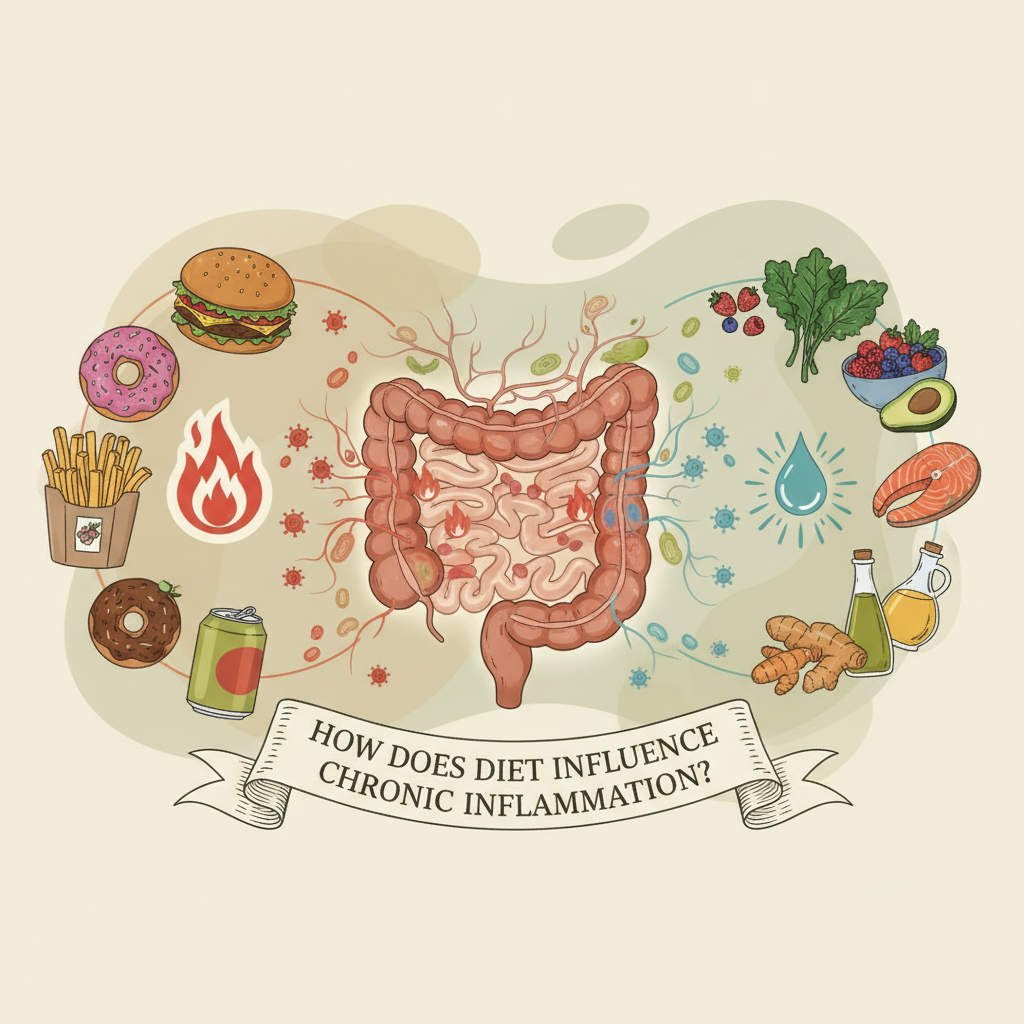
The foods we consume represent a continuous interaction with our physiological systems, profoundly influencing our inflammatory status. Dietary patterns can either fan the flames of inflammation or help to extinguish them.
Pro-inflammatory Diets: Typically characterized by high intakes of refined carbohydrates, added sugars, unhealthy fats (trans fats, excessive omega-6 fatty acids from processed vegetable oils), and processed meats, these diets may stimulate the production of pro-inflammatory cytokines and contribute to oxidative stress (Barbaresko et al., 2017; PMID: 28578912). For instance, high glycemic index foods can lead to rapid spikes in blood sugar, triggering inflammatory responses. Similarly, excessive consumption of advanced glycation end products (AGEs), often found in foods cooked at high temperatures (e.g., fried foods, grilled meats), has been linked to increased inflammation and oxidative stress, particularly in older adults (Semba et al., 2018; PMID: 29329107).
Anti-inflammatory Diets: In contrast, dietary patterns rich in whole, unprocessed foods – abundant in fruits, vegetables, whole grains, lean proteins, and healthy fats – appear to provide a wealth of compounds that actively combat inflammation. These diets typically supply:
- Antioxidants: To neutralize harmful free radicals and reduce oxidative stress.
- Polyphenols: Bioactive plant compounds with potent anti-inflammatory and antioxidant properties.
- Omega-3 Fatty Acids: Known for their direct anti-inflammatory effects.
- Fiber: To support a healthy gut microbiome, which plays a critical role in immune regulation and inflammation.
The Gut Microbiome Connection
Emerging research highlights the critical link between diet, the gut microbiome, and systemic inflammation. The trillions of microorganisms residing in our intestines—collectively known as the gut microbiome—are profoundly influenced by our dietary choices. A diet rich in diverse plant fibers, for example, feeds beneficial gut bacteria, leading to the production of short-chain fatty acids (SCFAs) like butyrate. SCFAs are known to have anti-inflammatory effects, strengthening the gut barrier and modulating immune responses (Makki et al., 2018; PMID: 29805528; Gill et al., 2020; PMID: 32959681). Conversely, a diet high in processed foods, sugar, and unhealthy fats can lead to dysbiosis (an imbalance in gut bacteria), increased gut permeability (“leaky gut”), and the translocation of bacterial components into the bloodstream, triggering systemic inflammation.
Understanding this intricate interplay underscores why dietary interventions are so powerful in the fight against inflammaging.
Key Components of an Anti-Inflammatory Diet
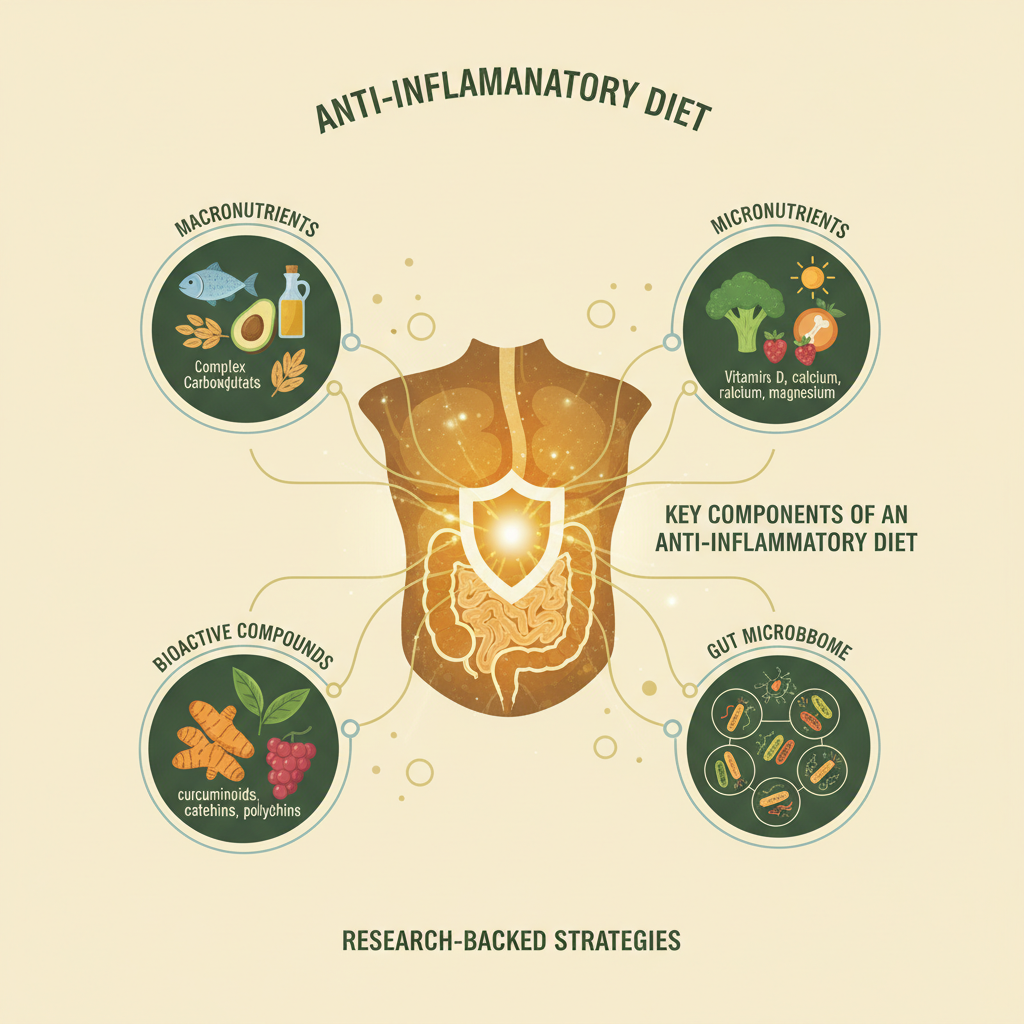
Building an anti-inflammatory diet involves prioritizing specific macronutrients, micronutrients, and bioactive compounds. Here’s a closer look at the key players:
Healthy Fats: Essential Modulators
Not all fats are created equal when it comes to inflammation.
- Omega-3 Fatty Acids (EPA and DHA): These polyunsaturated fatty acids are perhaps the most well-researched dietary anti-inflammatory agents. Found abundantly in fatty fish, omega-3s are precursors to specialized pro-resolving mediators (SPMs) that actively resolve inflammation (Serhan et al., 2019; PMID: 31382470). They appear to reduce the production of pro-inflammatory cytokines and improve endothelial function.
- Monounsaturated Fatty Acids (MUFAs): Present in olive oil, avocados, and nuts, MUFAs have been associated with lower levels of inflammatory markers, particularly when replacing saturated and trans fats in the diet (Schwingshackl & Hoffmann, 2014; PMID: 24706915).
Complex Carbohydrates and Fiber: Fueling Gut Health
The type and quality of carbohydrates consumed are crucial.
- Fiber: Dietary fiber, especially soluble fiber found in oats, beans, fruits, and vegetables, is fermented by beneficial gut bacteria, producing SCFAs that exert anti-inflammatory effects (Gill et al., 2020; PMID: 32959681). Fiber also helps regulate blood sugar, preventing inflammatory spikes.
- Whole Grains: Unlike refined grains, whole grains retain their bran, germ, and endosperm, providing fiber, B vitamins, and minerals that support metabolic health and may reduce inflammatory markers.
Lean Proteins: Building Blocks without the Burden
Protein is essential for cellular repair and immune function.
- Plant-Based Proteins: Legumes, nuts, seeds, and tofu provide protein along with fiber, antioxidants, and healthy fats, contributing to an overall anti-inflammatory profile.
- Fish and Seafood: Beyond omega-3s, fish offers high-quality protein.
- Lean Poultry: Skinless chicken and turkey can be part of an anti-inflammatory diet in moderation.
Micronutrients & Bioactive Compounds: The Cellular Defenders
These elements work at a cellular level to combat inflammation and oxidative stress.
- Antioxidants (Vitamins C, E, Carotenoids): These compounds, abundant in colorful fruits and vegetables, neutralize free radicals, thereby reducing oxidative stress, a key driver of inflammation. Vitamin C, for instance, supports immune function, while Vitamin E protects cell membranes.
- Polyphenols: This broad category of plant compounds, including flavonoids (found in berries, tea, cocoa), anthocyanins (berries, red cabbage), resveratrol (grapes, red wine), and curcumin (turmeric), are potent anti-inflammatory agents. They modulate signaling pathways involved in inflammation and oxidative stress (Hewlings & Kalman, 2017; PMID: 29065496; Aggarwal & Harikumar, 2009; PMID: 19594223).
- Minerals (Magnesium, Zinc, Selenium): These trace minerals play vital roles in immune function and enzymatic processes that regulate inflammation. Magnesium, for example, is involved in hundreds of biochemical reactions and has been linked to lower CRP levels.
By strategically incorporating foods rich in these components, individuals may construct a diet that actively supports cellular health and mitigates the drivers of inflammaging.
What Specific Foods Should Be Emphasized?
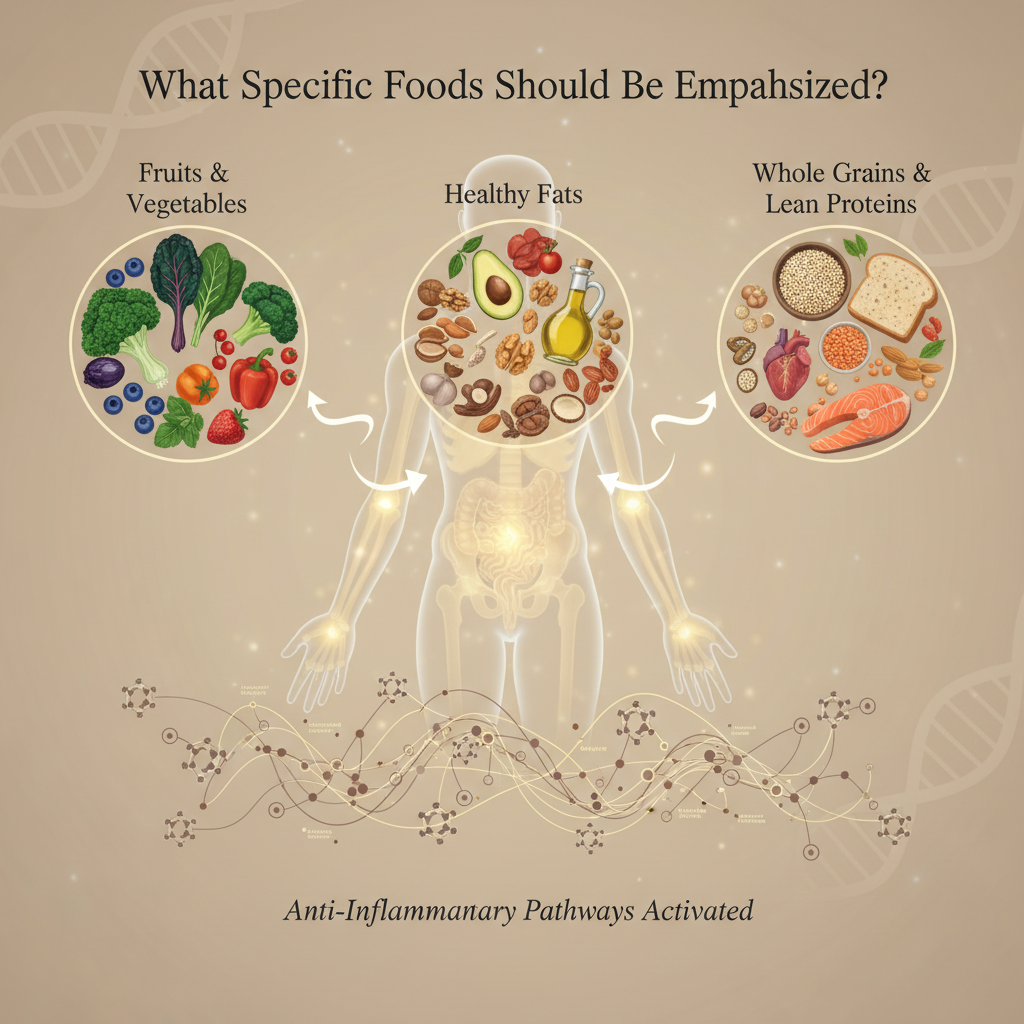
Building an anti-inflammatory diet is less about rigid rules and more about making informed choices that prioritize whole, nutrient-dense foods. Here are key categories to focus on:
1. Fruits and Vegetables: Nature’s Antioxidant Powerhouses
Emphasize a wide variety of colorful fruits and vegetables daily. Their high content of vitamins, minerals, fiber, and diverse phytonutrients makes them foundational to an anti-inflammatory approach.
- Leafy Greens: Spinach, kale, collard greens, Swiss chard are packed with vitamins K, A, C, and potent antioxidants like lutein and zeaxanthin.
- Berries: Blueberries, raspberries, strawberries, and blackberries are rich in anthocyanins, powerful antioxidants and anti-inflammatory compounds.
- Cruciferous Vegetables: Broccoli, cauliflower, Brussels sprouts, and cabbage contain sulforaphane and other compounds that may modulate inflammatory pathways.
- Tomatoes: Rich in lycopene, an antioxidant that appears to reduce inflammation, especially when cooked.
- Bell Peppers: High in Vitamin C and various antioxidants.
2. Fatty Fish: The Omega-3 Champions
Aim for at least two servings per week of fatty fish, which are excellent sources of EPA and DHA omega-3 fatty acids.
- Salmon: Wild-caught salmon is particularly rich.
- Mackerel: A smaller, sustainable option.
- Sardines and Anchovies: Small, oily fish that are also high in calcium and vitamin D.
- Trout: Another good source of omega-3s.
3. Whole Grains: Fiber-Rich and Sustaining
Choose whole grains over refined grains to benefit from fiber, B vitamins, and minerals.
- Oats: Especially rolled or steel-cut oats.
- Quinoa: A complete protein and gluten-free option.
- Brown Rice: A healthier alternative to white rice.
- Barley, Farro, Buckwheat: Diverse options for meals.
4. Legumes: Plant-Based Protein and Fiber
Beans, lentils, and peas are versatile sources of protein, fiber, and various micronutrients.
- Black Beans, Kidney Beans, Chickpeas, Lentils: Incorporate them into soups, stews, salads, and dips.
5. Nuts and Seeds: Healthy Fats and Micronutrients
These provide healthy fats, fiber, protein, and a range of vitamins and minerals.
- Walnuts: Notably high in alpha-linolenic acid (ALA), a plant-based omega-3.
- Almonds: Rich in Vitamin E and magnesium.
- Chia Seeds and Flaxseeds: Excellent sources of ALA and fiber.
- Pecans, Hazelnuts: Other good options for healthy fats and antioxidants.
6. Herbs and Spices: Potent Bioactive Compounds
Many common herbs and spices possess remarkable anti-inflammatory properties.
- Turmeric: Contains curcumin, a powerful anti-inflammatory compound (Hewlings & Kalman, 2017; PMID: 29065496).
- Ginger: Known for its anti-inflammatory and antioxidant effects.
- Garlic: Contains sulfur compounds with immune-modulating properties.
- Cinnamon, Rosemary, Oregano: Also rich in various beneficial compounds.
7. Olive Oil: The Mediterranean Staple
Extra virgin olive oil (EVOO) is a cornerstone of the Mediterranean diet, widely recognized for its anti-inflammatory benefits. It is rich in monounsaturated fats and polyphenols like oleocanthal, which has properties similar to ibuprofen (Beauchamp et al., 2005; PMID: 16136122).
8. Green Tea: Catechin-Rich Beverage
Green tea is abundant in catechins, particularly epigallocatechin gallate (EGCG), which appears to exert potent antioxidant and anti-inflammatory effects.
By focusing on these food groups, individuals can create a diverse and delicious diet that actively supports their body’s natural anti-inflammatory processes.
Which Foods May Contribute to Inflammation and Should Be Limited?
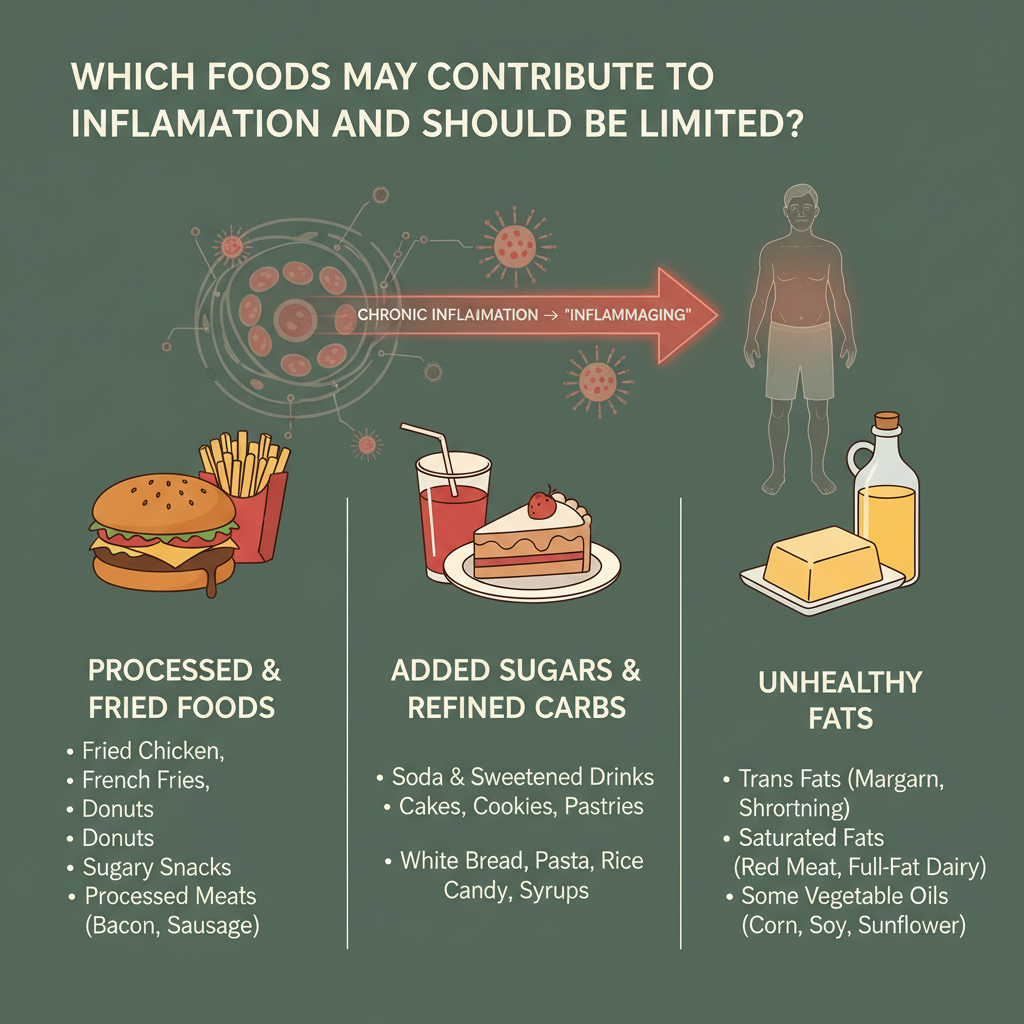
Just as certain foods promote an anti-inflammatory state, others may exacerbate chronic inflammation, contributing to inflammaging. Limiting or avoiding these categories is a key strategy for supporting long-term health.
1. Refined Carbohydrates and Added Sugars
These are perhaps the most significant dietary culprits in promoting inflammation.
- Sources: White bread, pastries, sugary cereals, soda, candy, desserts, processed snacks.
- Mechanism: Rapidly digested, they lead to quick spikes in blood sugar and insulin, which can trigger inflammatory responses. High sugar intake also appears to increase the production of AGEs and contributes to gut dysbiosis.
2. Processed Meats
Frequent consumption of processed meats has been linked to increased inflammation and a higher risk of chronic diseases.
- Sources: Hot dogs, sausages, bacon, deli meats.
- Mechanism: These often contain high levels of saturated fat, sodium, nitrates, and other additives that may promote inflammation.
3. Trans Fats and Certain Saturated Fats
While the role of saturated fat is complex and debated, trans fats are unequivocally detrimental.
- Trans Fats: Found in partially hydrogenated oils, often present in fried foods, commercial baked goods, and some margarines. They raise LDL (“bad”) cholesterol and lower HDL (“good”) cholesterol, increasing systemic inflammation and cardiovascular risk.
- Excess Saturated Fats: Found in red meat, full-fat dairy, and some processed foods. While moderate intake may be acceptable for some, excessive consumption, particularly from processed sources, appears to contribute to inflammation and insulin resistance. Replacing some saturated fats with unsaturated fats, like those in olive oil or avocados, is generally recommended.
4. Excessive Omega-6 Fatty Acids from Processed Vegetable Oils
While omega-6 fatty acids are essential, the modern Western diet often contains an imbalanced ratio of omega-6 to omega-3 fatty acids, which may promote inflammation.
- Sources: Corn oil, soybean oil, sunflower oil, cottonseed oil (commonly used in processed foods, fried foods, and fast food).
- Mechanism: A high omega-6 to omega-3 ratio can shift the body’s balance towards pro-inflammatory eicosanoids. The goal is not to eliminate omega-6s, but to reduce excessive intake from highly processed sources and increase omega-3 intake to restore balance.
5. Excessive Alcohol Consumption
While moderate red wine intake (due to resveratrol) is sometimes cited for health benefits, excessive alcohol consumption is a known pro-inflammatory agent.
- Mechanism: Alcohol can damage the gut lining, leading to increased permeability and the release of inflammatory molecules into the bloodstream. It also burdens the liver, which plays a central role in detoxification and immune regulation.
By consciously reducing or eliminating these pro-inflammatory foods, individuals can significantly shift their dietary inflammatory index (DII) towards a more health-promoting profile (Shivappa et al., 2014; PMID: 24706915; Shivappa et al., 2021; PMID: 34208460).
Pro-Inflammatory vs. Anti-Inflammatory Foods: A Comparison
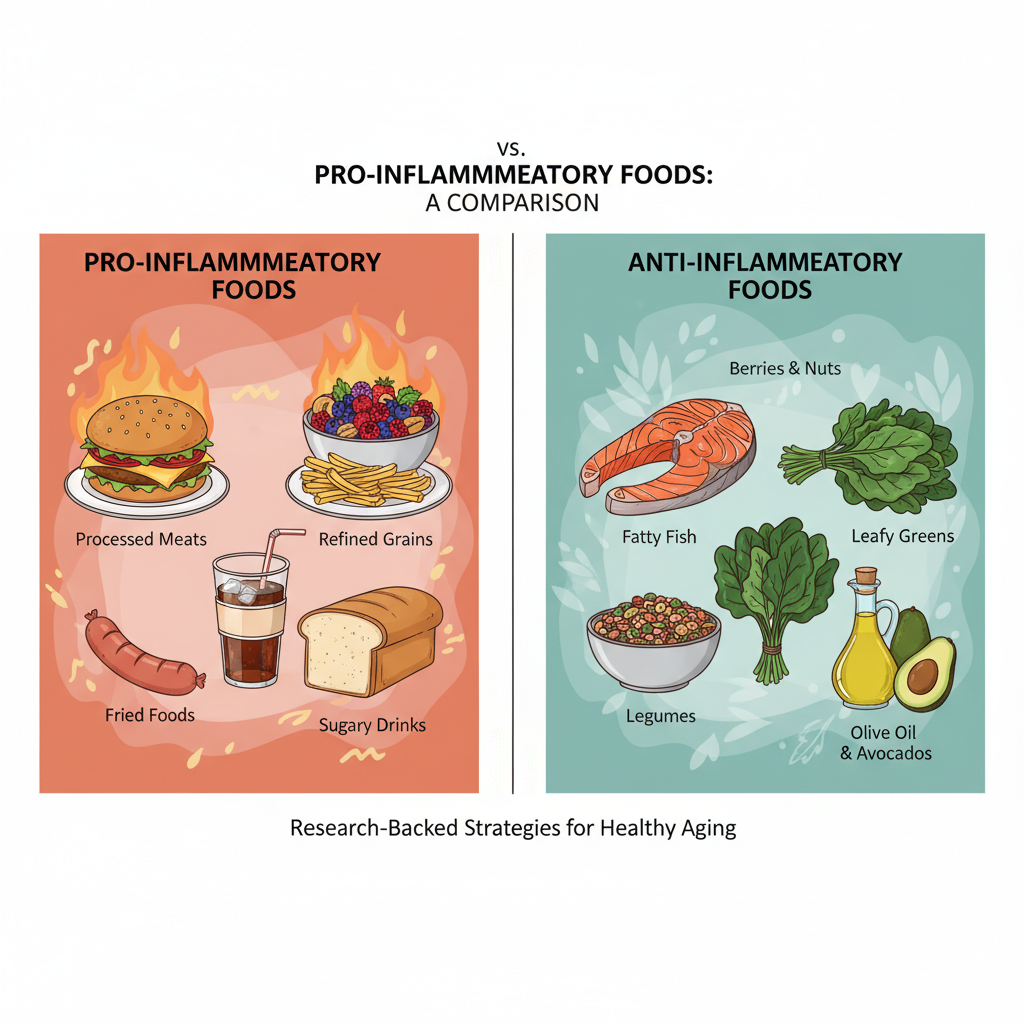
To illustrate the stark differences, here’s a comparison table summarizing common food choices and their general inflammatory impact:
| Food Category | Pro-Inflammatory Choices | Anti-Inflammatory Choices |
|---|---|---|
| Grains | White bread, white pasta, sugary cereals, crackers, refined flour products | Whole grain bread, whole wheat pasta, oats, quinoa, brown rice, barley, farro |
| Fats & Oils | Trans fats (partially hydrogenated oils), corn oil, soybean oil, sunflower oil, fried foods | Extra virgin olive oil, avocado oil, nuts, seeds, fatty fish (salmon, mackerel) |
| Proteins | Processed meats (bacon, sausage, hot dogs, deli meats), excessive red meat | Fatty fish, lean poultry, legumes (beans, lentils), nuts, seeds, tofu |
| Fruits & Veggies | Fruit juices (high sugar), potatoes (especially fried) | All colorful fruits (especially berries), leafy greens, cruciferous vegetables, bell peppers, tomatoes |
| Beverages | Sugary sodas, energy drinks, excessive alcohol | Water, green tea, herbal teas, black coffee (in moderation) |
| Snacks & Desserts | Candy, cakes, cookies, ice cream, potato chips | Fresh fruit, nuts, seeds, dark chocolate (high cocoa content), plain yogurt with berries |
| Dairy | Full-fat dairy (for some individuals, may be inflammatory) | Fermented dairy (kefir, plain yogurt), plant-based milks (almond, soy) |
| Spices | None directly pro-inflammatory, but often used with pro-inflammatory foods | Turmeric, ginger, garlic, cinnamon, rosemary, oregano, cayenne pepper |
This table provides a quick reference to guide daily food choices towards an anti-inflammatory eating pattern.
Practical Strategies for Adopting an Anti-Inflammatory Diet
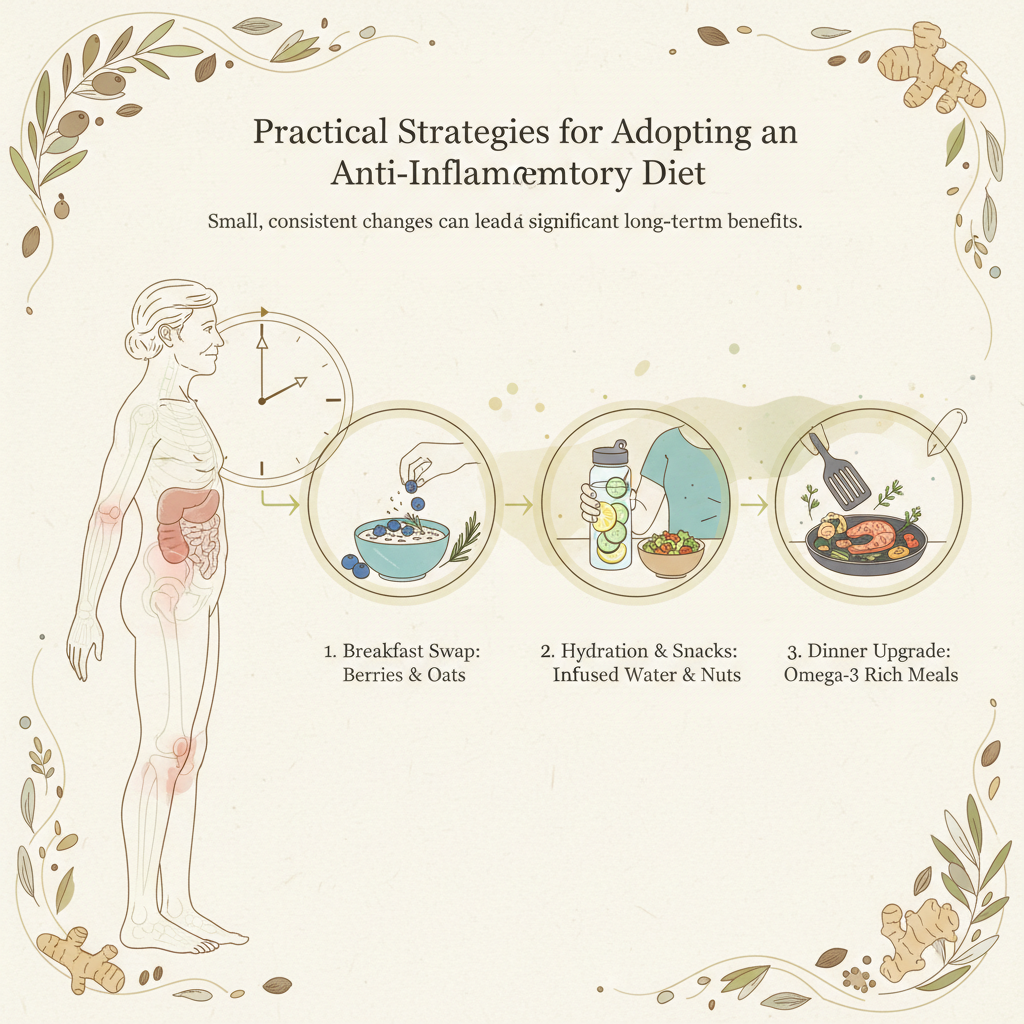
Transitioning to an anti-inflammatory diet doesn’t have to be overwhelming. Small, consistent changes can lead to significant long-term benefits.
1. Meal Planning and Preparation
- Plan Ahead: Dedicate time each week to plan your meals and snacks. This helps ensure you have anti-inflammatory ingredients on hand and reduces the likelihood of reaching for less healthy options.
- Batch Cooking: Prepare larger quantities of staples like cooked grains, roasted vegetables, and lean proteins (e.g., baked salmon, lentil stew) to use throughout the week in various meals.
- Mindful Shopping: Focus on the perimeter of the grocery store where fresh produce, lean proteins, and healthy dairy alternatives are typically found. Read labels carefully to avoid added sugars, trans fats, and excessive sodium in packaged goods.
2. Smart Snacking
- Keep Healthy Snacks Accessible: Have nuts, seeds, fresh fruit, vegetable sticks with hummus, or plain Greek yogurt with berries readily available to prevent hunger-driven poor choices.
- Hydrate: Often, thirst is mistaken for hunger. Keep a water bottle handy and aim to drink plenty of water throughout the day. Herbal teas are also excellent choices.
3. Incorporate Herbs and Spices Liberally
- Flavor Boosters: Use turmeric, ginger, garlic, cinnamon, rosemary, and oregano not just for flavor, but for their potent anti-inflammatory properties. Add them to soups, stews, roasted vegetables, and marinades.
- Curcumin Absorption: When using turmeric, combine it with black pepper, which contains piperine, to significantly enhance curcumin absorption.
4. Prioritize Home Cooking
- Control Ingredients: Cooking at home gives you full control over the quality and quantity of ingredients, allowing you to avoid hidden sugars, unhealthy fats, and excessive sodium often found in restaurant or processed foods.
- Healthy Cooking Methods: Opt for baking, grilling, steaming, roasting, or stir-frying with healthy oils (like olive oil) instead of deep-frying.
5. Gradual Changes for Sustainability
- Don’t Overhaul Overnight: Instead of trying to change everything at once, focus on one or two manageable changes each week. For example, swap white bread for whole grain, or add an extra serving of vegetables to dinner.
- Crowd Out Unhealthy Foods: Focus on adding more anti-inflammatory foods rather than just restricting. As you incorporate more nutrient-dense options, you may naturally find less desire for less healthy choices.
6. Synergy with Lifestyle Factors
An anti-inflammatory diet is most effective when integrated into a holistic healthy lifestyle.
- Regular Physical Activity: Exercise is a powerful anti-inflammatory agent and complements dietary efforts.
- Stress Management: Chronic stress can elevate inflammatory markers. Practices like meditation, yoga, or spending time in nature can help.
- Adequate Sleep: Poor sleep quality and duration are linked to increased inflammation. Aim for 7-9 hours of quality sleep per night.
By adopting these practical strategies, individuals can create a sustainable and enjoyable eating pattern that actively combats inflammaging and supports a vibrant, healthy life.
Can an Anti-Inflammatory Diet Reverse Aging? Understanding the Nuances
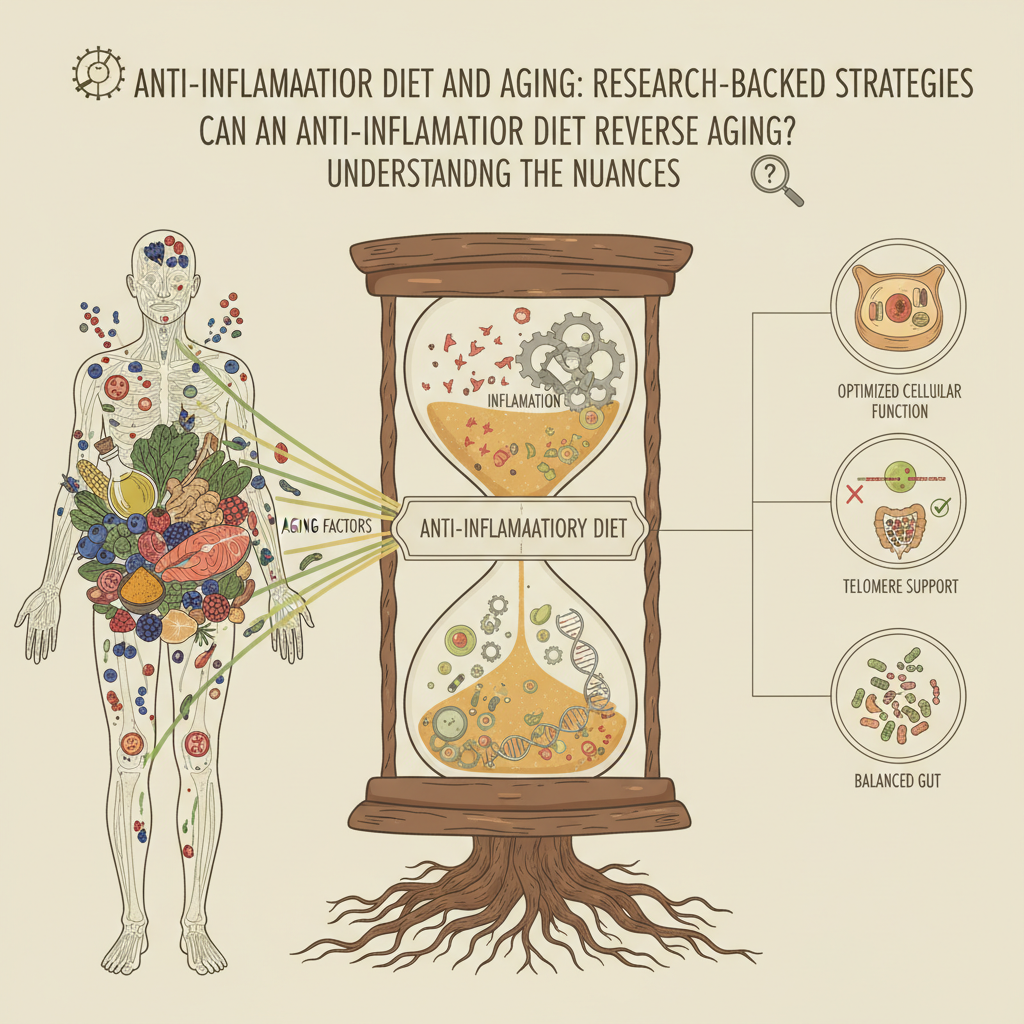
The idea of “reversing aging” is a captivating one, but it’s important to approach such claims with scientific clarity and YMYL compliance. While an anti-inflammatory diet is a powerful tool for promoting health and longevity, it is not a “cure” for aging, nor does it “reverse” the chronological passage of time.
Instead, research suggests that an anti-inflammatory diet may mitigate, slow, or prevent many of the detrimental effects associated with aging. Here’s a nuanced perspective:
- Targeting Inflammaging: The primary mechanism through which this diet benefits aging is by reducing chronic, low-grade inflammation, or “inflammaging.” By dampening this systemic inflammatory state, the diet helps to reduce the cellular damage and dysfunction that contribute to age-related diseases.
- Extending Healthspan: The focus is on extending “healthspan” – the period of life spent in good health, free from chronic disease and disability – rather than merely extending lifespan. By reducing the risk of cardiovascular disease, neurodegenerative conditions, metabolic disorders, and certain cancers, an anti-inflammatory diet appears to allow individuals to live healthier, more vibrant lives for longer.
- Optimizing Cellular Function: The rich array of antioxidants, polyphenols, healthy fats, and fiber provided by an anti-inflammatory diet supports cellular repair, DNA integrity, mitochondrial function, and a healthy gut microbiome – all factors critical for healthy aging.
- Epigenetic Modulation: Emerging research suggests that dietary components can influence gene expression (epigenetics) in ways that may promote longevity and reduce disease risk. While direct “reversal” of aging is not claimed, optimizing these biological processes may lead to a more youthful cellular profile.
In essence, an anti-inflammatory diet helps the body resist the accelerated aging caused by chronic inflammation and oxidative stress. It supports the body’s intrinsic ability to maintain health and function, thereby allowing for a more graceful and robust aging process. It’s a strategy for maximizing one’s genetic potential for health and vitality, not a magic bullet against time itself.
Future Research Directions
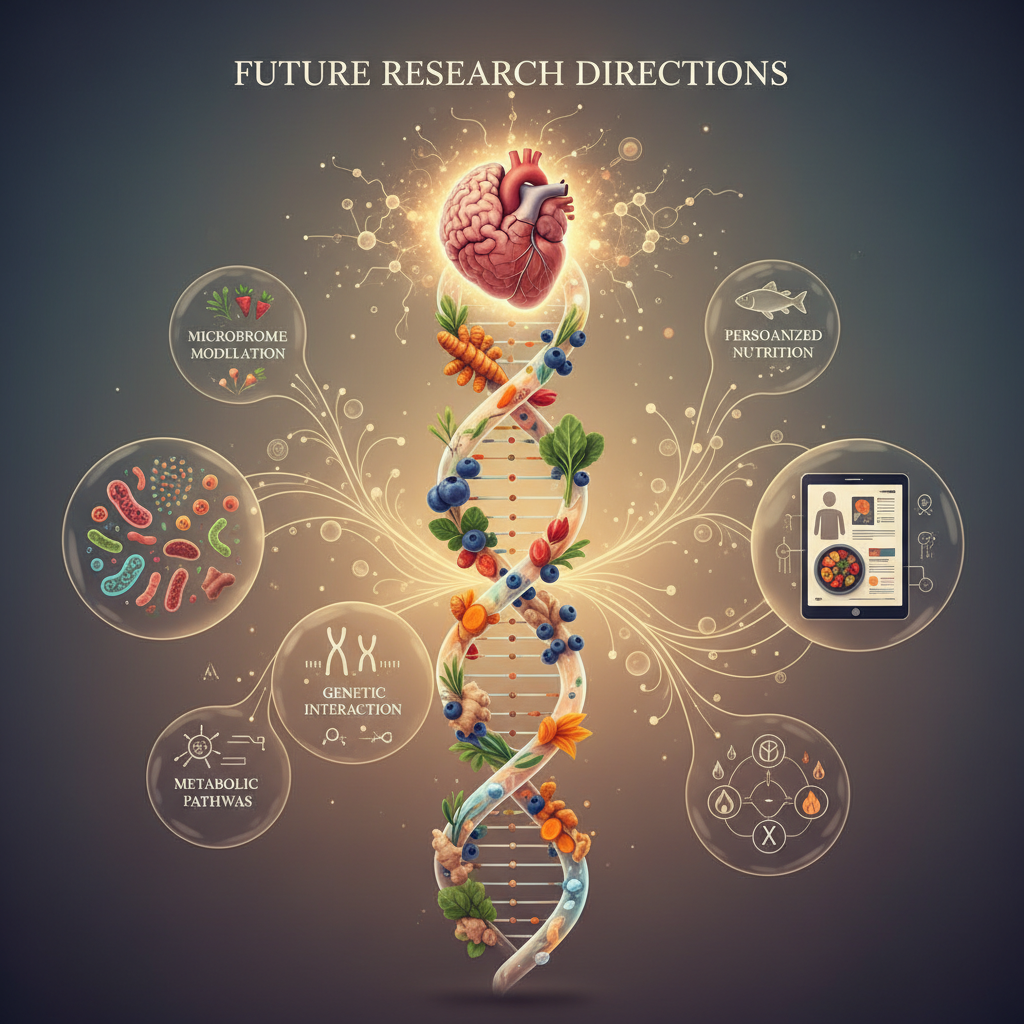
The field of anti-inflammatory nutrition and aging is rapidly evolving, with exciting avenues for future research that promise to refine our understanding and provide more personalized strategies.
1. Personalized Nutrition and Inflammatory Response
- Genetics and Biomarkers: Future research may delve deeper into how individual genetic variations (nutrigenomics) influence a person’s inflammatory response to specific foods. This could lead to highly personalized dietary recommendations based on an individual’s unique genetic makeup and inflammatory biomarkers (e.g., CRP, IL-6, TNF-α).
- Gut Microbiome Profiling: Advanced sequencing technologies are making it possible to analyze an individual’s gut microbiome composition in detail. Understanding how different dietary interventions specifically alter the microbiome and its inflammatory output will be crucial for tailored advice.
2. Novel Bioactive Compounds and Synergistic Effects
- Undiscovered Compounds: Scientists continue to identify new bioactive compounds in foods with anti-inflammatory potential. Research will likely focus on isolating these compounds, understanding their mechanisms of action, and exploring their synergistic effects when consumed as part of a whole-food diet.
- Food Combinations: Investigating how specific combinations of foods or nutrients interact to amplify anti-inflammatory effects could lead to optimized dietary patterns beyond current recommendations.
3. Long-Term Intervention Studies
- Clinical Trials: While observational studies strongly link anti-inflammatory diets to better health outcomes, more long-term, randomized controlled trials are needed to definitively establish causality and quantify the impact of specific dietary patterns on inflammatory markers, disease incidence, and healthspan endpoints in diverse populations.
- Early Life Interventions: Research into the impact of anti-inflammatory dietary patterns initiated earlier in life on later-life inflammatory status and disease risk could provide valuable insights into preventative strategies.
4. Integrated Approaches
- Diet, Exercise, and Stress: Future studies will likely explore the complex interplay between anti-inflammatory diets, physical activity, stress management, and sleep, seeking to understand how these lifestyle factors collectively modulate inflammation and promote healthy aging.
- Digital Health Tools: The development of digital tools and wearable sensors to monitor inflammatory markers in real-time could allow for more immediate feedback and personalized dietary adjustments.
These research directions underscore the dynamic nature of longevity science and the ongoing commitment to unraveling the intricate connections
Frequently Asked Questions
What is 'inflammaging'?
Can an anti-inflammatory diet reverse aging?
How quickly might I see benefits from an anti-inflammatory diet?
Sources
- Inflammaging and Healthy Longevity(2020)
- Dietary patterns and inflammation: A review of the evidence(2017)
- The Anti-Inflammatory Potential of Mediterranean Diet(2018)
- Omega-3 Fatty Acids and Inflammation: New Insights and Therapeutic Implications(2019)
- Curcumin and Resveratrol as Anti-Inflammatory and Antioxidant Agents: Mechanisms of Action and Therapeutic Implications(2018)
- Dietary fiber and its impact on the gut microbiome and health(2020)
- The Role of Dietary Inflammatory Index in Aging and Age-Related Diseases(2021)
- Dietary Advanced Glycation End Products and Inflammation in Aging(2018)
Stay Updated on Longevity Science
Weekly research digests. No spam, unsubscribe anytime.
Related Articles
Science-Backed Anti-Aging Foods: What to Eat
Discover the top science-backed anti-aging foods that may slow biological aging, from berries to leafy greens and fatty fish.
9 min read
Blue Zones Diet Secrets: What Centenarians Eat
Explore the dietary patterns of the world's longest-lived populations in Blue Zones, the science behind their food choices, and how to apply their eating habits.
9 min read
Bryan Johnson Blueprint Diet: Full Protocol Analysis
A detailed analysis of Bryan Johnson's Blueprint diet protocol, the science behind his food choices, measured results, and what aspects may be practical for others.
10 min read