Anti-Glycation Foods: How to Reduce AGEs and Slow Aging from the Inside
Learn how advanced glycation end products (AGEs) accelerate aging and which foods help reduce glycation. A practical guide to anti-glycation eating strategies.
Table of Contents
DISCLAIMER
This article is for informational purposes only and does not constitute medical advice. The statements in this article have not been evaluated by the FDA. The information presented is based on published research and should not be used as a substitute for professional medical guidance. Consult your physician before starting any supplement or health protocol.
Among the chemical processes that accelerate biological aging, glycation is one of the most underappreciated yet potentially modifiable. Glycation occurs when sugar molecules react with proteins, lipids, or nucleic acids without enzymatic control, creating a cascade of molecular damage that culminates in the formation of advanced glycation end products (AGEs). These cross-linked, dysfunctional molecules accumulate in tissues over time, contributing to skin wrinkling, arterial stiffening, kidney damage, neurodegeneration, and a host of other age-related pathologies.
What makes glycation particularly relevant to dietary strategies is that AGEs enter the body through two major routes: endogenous formation from blood sugar reacting with body proteins, and dietary intake from foods, especially those cooked at high temperatures. This dual pathway means that strategic food choices and cooking methods may significantly influence AGE burden and, by extension, the pace of aging (Uribarri et al., 2015; PMID: 25452041).
The Chemistry of Glycation and AGEs
Glycation begins with the Maillard reaction, the same chemical process that gives browned foods their color and flavor. When a reducing sugar (glucose, fructose, or others) reacts with a free amino group on a protein, it forms a Schiff base, which rearranges into a more stable Amadori product. Over time, these Amadori products undergo further reactions, oxidation, dehydration, and cross-linking, to form the heterogeneous group of compounds known as AGEs.
AGEs cause damage through two main mechanisms. First, they cross-link structural proteins like collagen and elastin, making tissues stiff and inflexible. This is why glycation is a major driver of arterial stiffening, skin aging, and joint deterioration. Second, AGEs activate the receptor for AGEs (RAGE), triggering inflammatory signaling cascades that generate oxidative stress and promote further tissue damage (Nowotny et al., 2016; PMID: 27452364).
Dietary Sources of AGEs
The AGE content of food varies enormously depending on composition and preparation method.
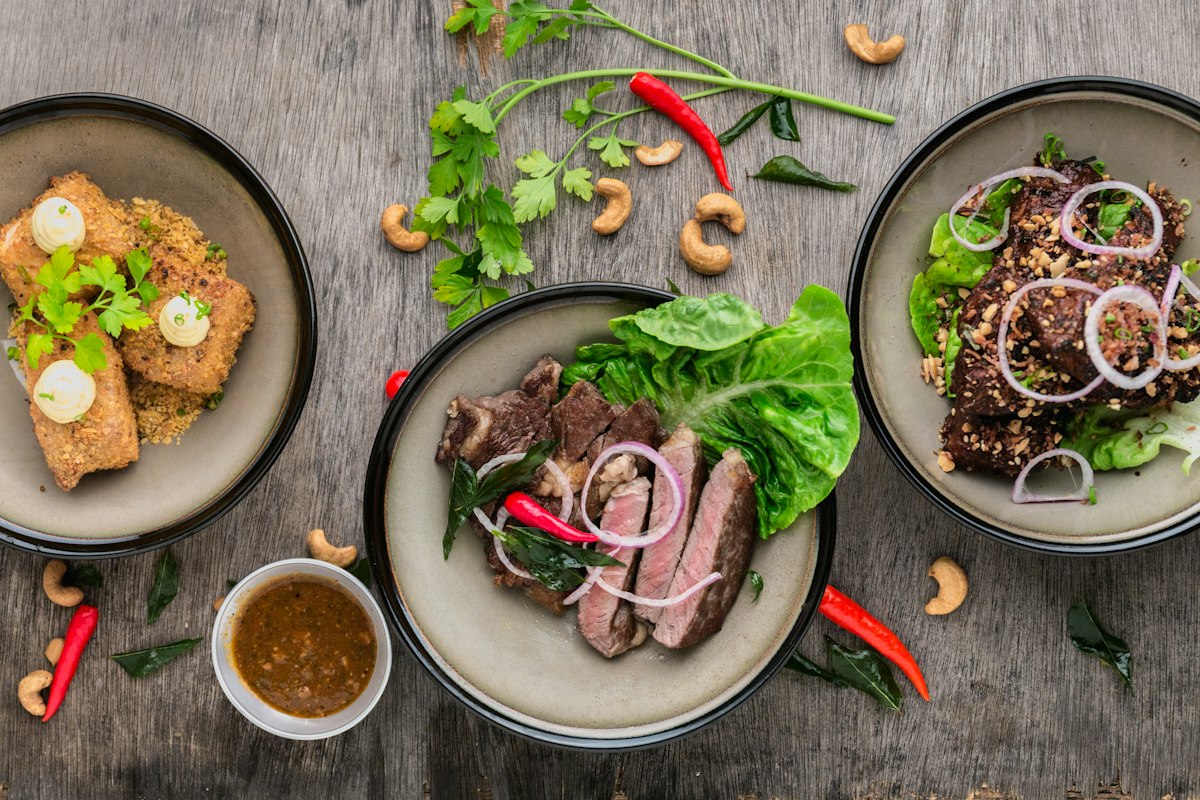
High-AGE Foods: Animal products cooked at high temperatures are the primary dietary source of AGEs. Grilled, broiled, fried, and roasted meats contain some of the highest AGE levels of any foods. Processed meats (bacon, sausage, hot dogs) are also extremely high due to their processing methods. Butter, cream cheese, and processed cheeses contain significant AGEs. And fried foods, particularly those cooked in oils at high temperatures, are major AGE sources.
Low-AGE Foods: Fruits, vegetables, legumes, and whole grains contain relatively few AGEs, even after cooking. Foods prepared with moist heat (boiling, steaming, stewing) contain far fewer AGEs than those cooked with dry heat. Acidic marinades (vinegar, lemon juice) can reduce AGE formation during cooking.
Anti-Glycation Dietary Strategies
Cooking Method Modifications
The single most impactful dietary change for reducing AGE intake is modifying cooking methods. Moist-heat cooking (steaming, boiling, poaching, stewing) produces dramatically fewer AGEs than dry-heat methods (grilling, frying, roasting, broiling). Cooking at lower temperatures for longer periods generates fewer AGEs than high-temperature quick cooking. Pre-marinating foods in acidic solutions (vinegar, citrus juice, tomato juice) before cooking can reduce AGE formation by 50% or more.
Blood Sugar Management
Because endogenous glycation is driven by blood sugar levels, maintaining stable, lower glucose levels reduces internal AGE formation. Strategies include choosing low-glycemic foods that produce smaller glucose spikes, pairing carbohydrates with fiber, protein, and fat to slow absorption, engaging in regular physical activity to improve insulin sensitivity, and avoiding excessive consumption of refined sugars and processed carbohydrates.
Anti-Glycation Nutrients and Compounds
Several dietary compounds may help counteract glycation.
Carnosine: This dipeptide, found primarily in meat and available as a supplement, acts as a sacrificial target for glycation, reacting with sugar molecules before they can modify important body proteins (Hipkiss, 2016; PMID: 26429320). Carnosine also has antioxidant and metal-chelating properties.
Benfotiamine: A fat-soluble form of vitamin B1, benfotiamine may redirect glucose metabolism away from glycation-promoting pathways by activating the enzyme transketolase.
Alpha-Lipoic Acid: This versatile antioxidant has demonstrated anti-glycation properties in addition to its direct antioxidant effects.
Polyphenols: Many polyphenols found in fruits, vegetables, tea, and spices can inhibit glycation reactions. Rutin (found in buckwheat, apples, and citrus), quercetin (onions, apples), and catechins (green tea) have all shown anti-glycation activity in laboratory studies.
Herbs and Spices: Several culinary herbs and spices demonstrate anti-glycation properties, including cinnamon, turmeric, cloves, oregano, and ginger. These may provide anti-glycation benefits when used regularly in cooking.
Foods That May Help Combat Glycation
Berries
Berries, particularly blueberries and strawberries, are rich in anthocyanins and other polyphenols that inhibit glycation reactions. Their low glycemic index also means they contribute minimally to endogenous AGE formation.
Green Tea
EGCG and other catechins in green tea have demonstrated anti-glycation activity in multiple studies. Regular green tea consumption may help reduce circulating AGE levels and inhibit RAGE activation.
Cruciferous Vegetables
Broccoli, Brussels sprouts, cauliflower, and other cruciferous vegetables contain sulforaphane, which activates the Nrf2 antioxidant response pathway and may help protect against AGE-mediated damage.
Nuts and Seeds
Almonds, walnuts, and flaxseeds provide anti-inflammatory compounds and have relatively low AGE content when consumed raw or lightly roasted.
Fermented Foods
Some fermented foods may help combat glycation. Certain probiotic strains can degrade dietary AGEs in the gut, potentially reducing their absorption. Fermented soy products like tempeh and miso provide anti-glycation isoflavones.
Practical Implementation
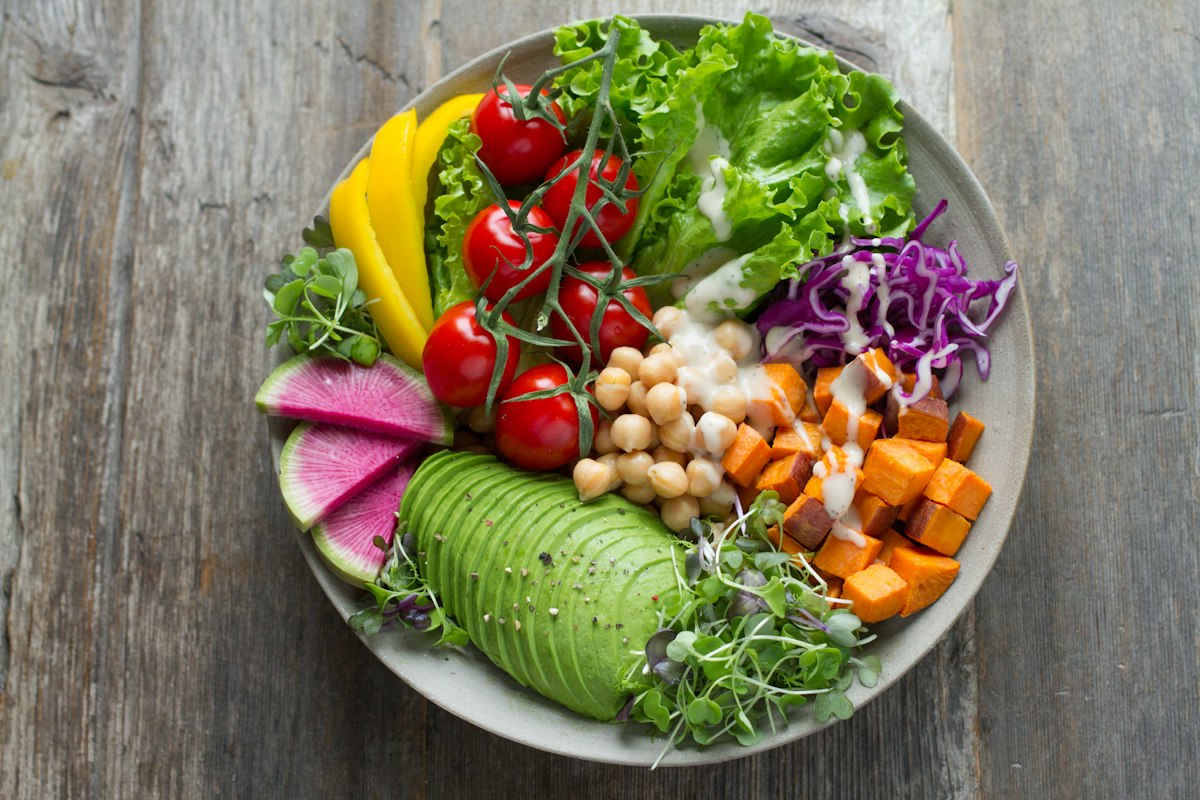
A comprehensive anti-glycation eating strategy might include emphasizing steaming, boiling, and stewing over grilling and frying; marinating meats in vinegar or citrus juice before cooking; consuming abundant colorful fruits and vegetables daily; choosing whole grains over refined carbohydrates; including anti-glycation spices (cinnamon, turmeric) regularly; drinking green tea between meals; maintaining stable blood sugar through balanced meals; and limiting processed foods and added sugars.
Frequently Asked Questions
Do AGEs in food actually affect aging? Research suggests that dietary AGEs are absorbed in the gut and contribute to the body’s total AGE burden. Clinical studies have found that low-AGE diets reduce circulating AGE levels, inflammatory markers, and oxidative stress markers compared to high-AGE diets. While direct evidence linking dietary AGE reduction to increased lifespan in humans is limited, the consistent improvements in aging-related biomarkers support the biological plausibility of anti-glycation dietary strategies.
Is grilling food really that bad for aging? Grilling produces some of the highest AGE levels of any cooking method, particularly with meats. However, the overall health impact depends on frequency and other dietary factors. Occasional grilling as part of an otherwise healthy diet is unlikely to significantly accelerate aging. For regular cooking, preferring lower-temperature, moist-heat methods may meaningfully reduce cumulative AGE exposure over time.
Can supplements reverse existing glycation damage? Once AGEs are formed and cross-linked into tissues, they are very difficult to remove. Some research has explored AGE-breaking compounds (such as alagebrium/ALT-711), but clinical results have been disappointing. Prevention, through dietary and lifestyle strategies that reduce AGE formation, appears more practical than reversal. However, the body does slowly turn over glycated proteins, so reducing new AGE formation may gradually improve the ratio of glycated to non-glycated proteins over time.
Sources
Stay Updated on Longevity Science
Weekly research digests. No spam, unsubscribe anytime.
Related Articles
AGEs in Your Diet: How Advanced Glycation End Products Accelerate Aging
Advanced glycation end products in food may accelerate aging. Learn which foods are highest in AGEs and how cooking methods affect your aging rate.
9 min read
Anti-Aging Breakfast Ideas: Start Your Day With Longevity-Supporting Foods
Science-backed anti-aging breakfast ideas that support longevity. Learn which morning foods may promote healthy aging through nutrition research.
8 min read
Science-Backed Anti-Aging Foods: What to Eat
Discover the top science-backed anti-aging foods that may slow biological aging, from berries to leafy greens and fatty fish.
9 min read