Science-Backed Anti-Aging Foods: What to Eat
Discover the top science-backed anti-aging foods that may slow biological aging, from berries to leafy greens and fatty fish.
Table of Contents
DISCLAIMER
This article is for informational purposes only and does not constitute medical advice. The statements in this article have not been evaluated by the FDA. The information presented is based on published research and should not be used as a substitute for professional medical guidance. Consult your physician before starting any supplement or health protocol.
Food as the Foundation of Longevity
The relationship between diet and aging is one of the most extensively studied areas in health science. While no food can stop the clock, decades of research from epidemiological studies, clinical trials, and molecular biology have identified specific foods and food groups that are consistently associated with slower biological aging, reduced disease risk, and longer healthspan. This guide focuses on the foods with the strongest evidence, organized by their primary anti-aging mechanisms.
Tier 1: The Strongest Evidence
These foods have the most robust research support for anti-aging effects, supported by randomized controlled trials, large prospective studies, and well-understood mechanisms.
Extra-Virgin Olive Oil
Evidence strength: Very strong (PREDIMED RCT, multiple cohort studies)
Extra-virgin olive oil is arguably the single food with the strongest evidence for longevity benefit. Its effects extend well beyond being a healthy fat:
Key compounds:
- Oleocanthal: Anti-inflammatory potency comparable to ibuprofen
- Hydroxytyrosol: One of the most potent natural antioxidants known
- Oleic acid: Monounsaturated fat that improves lipid profiles
Research highlights:
- PREDIMED trial: 30% cardiovascular event reduction with olive oil supplementation
- Associated with longer telomeres in the Nurses’ Health Study
- Linked to slower epigenetic aging in multiple observational studies
- Neuroprotective effects demonstrated in animal and some human studies
How to use: Use as primary cooking fat; drizzle generously on vegetables, bread, and finished dishes. Choose extra-virgin (first cold pressing) for maximum polyphenol content. Aim for 2-4 tablespoons daily.
Fatty Fish
Evidence strength: Strong (multiple RCTs, large cohort studies)
Salmon, mackerel, sardines, anchovies, and herring provide the omega-3 fatty acids EPA and DHA that are difficult to obtain from other sources.
Key benefits:
- Omega-3 supplementation was associated with reduced telomere shortening in a 2014 randomized trial
- DHA is the primary structural fat in brain cell membranes, supporting cognitive health with aging
- EPA and DHA produce anti-inflammatory resolvins and protectins
- Regular fish consumption is associated with 15-20% lower cardiovascular mortality in meta-analyses
How to use: Aim for 2-3 servings per week (approximately 200-300g total). Choose wild-caught when possible; frozen wild salmon is cost-effective. Small oily fish (sardines, anchovies) are particularly rich in omega-3s and lower in mercury.
Berries
Evidence strength: Strong (clinical trials for cognitive effects, large cohort studies)
Blueberries, strawberries, blackberries, and raspberries are among the most polyphenol-dense foods available.
Key compounds:
- Anthocyanins: The pigments that give berries their color, with potent antioxidant and anti-inflammatory properties
- Pterostilbene: A resveratrol analog with superior bioavailability, found in blueberries
- Ellagic acid: Found in berries and pomegranates, with anti-inflammatory and epigenetic effects
Research highlights:
- The MIND diet study linked regular berry consumption to slower cognitive decline equivalent to 2.5 years of cognitive aging
- Berry polyphenols improve endothelial function and reduce blood pressure in clinical trials
- High anthocyanin intake is associated with lower cardiovascular mortality
- Berry polyphenols may modulate DNA methylation and gene expression
How to use: Eat 1-2 cups of mixed berries daily. Frozen berries are nutritionally equivalent to fresh and more affordable. Add to breakfast, smoothies, or eat as snacks.
Legumes
Evidence strength: Strong (Blue Zones data, large meta-analyses)
Beans, lentils, chickpeas, and peas are the dietary cornerstone of every Blue Zone population.
Key benefits:
- The single dietary factor most consistently associated with longevity across Blue Zones
- Meta-analyses show 7-8% mortality reduction per 20g daily legume intake
- Excellent source of plant protein, fiber (both soluble and insoluble), and resistant starch
- Rich in folate, essential for DNA methylation
- Support gut microbiome diversity through prebiotic fiber
How to use: Aim for at least one cup of cooked legumes daily. Use in soups, stews, salads, and as side dishes. Canned beans are convenient and nutritionally equivalent to home-cooked.
Nuts
Evidence strength: Strong (PREDIMED RCT, Adventist Health Studies, large meta-analyses)
Walnuts, almonds, pistachios, cashews, and macadamia nuts provide a unique combination of healthy fats, protein, fiber, and phytochemicals.
Research highlights:
- PREDIMED: Mediterranean diet plus nuts reduced cardiovascular events by 28%
- Adventist Health Studies: Daily nut consumers lived approximately 2 years longer than non-consumers
- Physicians’ Health Study: Nut consumption associated with reduced all-cause mortality
- Nut consumption associated with reduced inflammation markers and improved gut microbiome
How to use: Eat a handful (approximately 30g) of mixed nuts daily. Walnuts are particularly rich in omega-3s; almonds are highest in vitamin E. Choose raw or dry-roasted without added oils or salt.
Tier 2: Strong Supporting Evidence
These foods have substantial research support, though the evidence may be from fewer trials or more reliant on observational data.
Cruciferous Vegetables
Broccoli, cauliflower, kale, Brussels sprouts, and cabbage contain sulforaphane and other compounds that activate the Nrf2 cellular defense pathway. Epidemiological studies consistently link cruciferous vegetable consumption to reduced cancer risk. Sulforaphane has demonstrated epigenetic effects, including inhibition of histone deacetylases.
How to use: Include cruciferous vegetables most days. Lightly cooking (steaming or sauteing) preserves sulforaphane while improving digestibility.
Leafy Greens
Spinach, kale, swiss chard, and arugula provide folate (essential for DNA methylation), lutein and zeaxanthin (protective for eye and brain aging), vitamin K (important for cardiovascular and bone health), and nitrates (which improve vascular function).
The MIND diet research specifically identified leafy greens as one of the most important food groups for cognitive aging.
How to use: Aim for at least one large serving of leafy greens daily. Use as salad bases, add to smoothies, or saute as side dishes.
Fermented Foods
Yogurt, kefir, sauerkraut, kimchi, and miso provide live cultures that support gut microbiome diversity. The Stanford Food Study demonstrated that a high-fermented-food diet increased microbiome diversity and reduced inflammatory markers more effectively than a high-fiber diet over 10 weeks.
How to use: Include at least one serving of fermented food daily. Plain, full-fat yogurt or kefir with live cultures; small servings of sauerkraut or kimchi with meals.
Green Tea
Rich in EGCG (epigallocatechin gallate), a polyphenol that induces autophagy, reduces inflammation, and has demonstrated anti-cancer properties in laboratory studies. Japanese observational studies associate regular green tea consumption with reduced cardiovascular and all-cause mortality.
How to use: 2-4 cups daily. Brew with water slightly below boiling (approximately 175 degrees F) for 2-3 minutes to maximize EGCG extraction while minimizing bitterness.
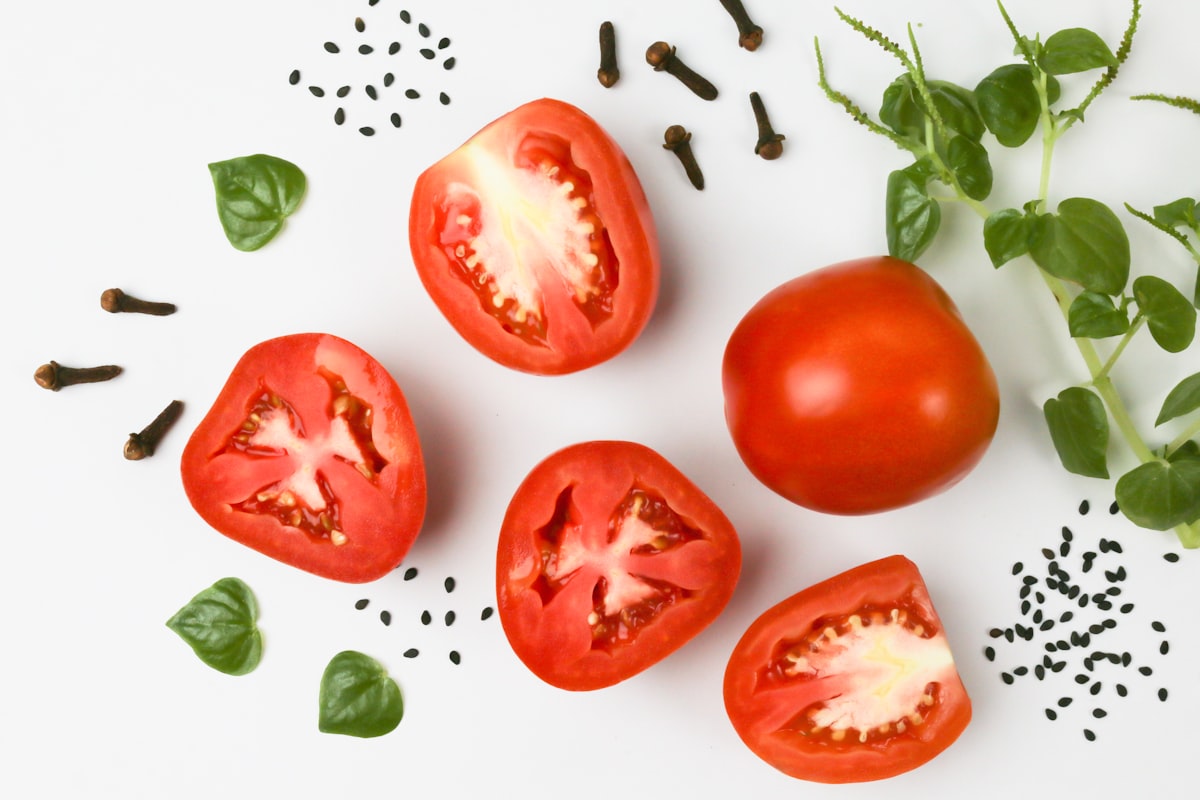
Tomatoes
Lycopene, the red pigment in tomatoes, is a potent carotenoid antioxidant associated with reduced cardiovascular risk and potentially lower cancer risk. Interestingly, lycopene bioavailability increases with cooking and fat consumption (hence the health benefits of cooked tomato sauce with olive oil).
How to use: Cooked tomatoes (sauces, soups, roasted) provide more bioavailable lycopene than raw. Combine with olive oil for optimal absorption.
Tier 3: Promising but Less Established
Dark Chocolate (>70% Cocoa)
Cocoa flavanols have demonstrated cardiovascular benefits in the COSMOS trial and may improve cognitive function. The key is cocoa content — milk chocolate provides minimal benefit. Consume in moderation (approximately 20-30g daily) due to caloric density.
Turmeric/Curcumin
Curcumin has potent anti-inflammatory properties in laboratory settings, but bioavailability is poor. Consuming turmeric with black pepper (piperine) and fat improves absorption. While preclinical evidence is extensive, human clinical trial results have been mixed.
Pomegranate
Rich in punicalagins, ellagic acid, and urolithin A precursors. Urolithin A has shown promise for mitochondrial health and muscle aging in early clinical trials. Pomegranate juice or seeds provide these compounds.
Mushrooms
Particularly rich in ergothioneine, a potent cellular antioxidant that declines with age. Shiitake, maitake, lion’s mane, and reishi varieties have been studied for various health-promoting properties. Regular mushroom consumption is associated with lower mortality in large observational studies.
Foods to Minimize or Avoid
Research identifies several food categories that may accelerate biological aging:
Ultra-Processed Foods
A 2020 study found that each additional serving of ultra-processed food was associated with shorter telomere length. These foods often combine refined carbohydrates, unhealthy fats, added sugars, and chemical additives in ways that promote inflammation and metabolic dysfunction.
Added Sugars
Excess sugar intake promotes glycation (the formation of advanced glycation end products, or AGEs), increases insulin resistance, drives inflammation, and may accelerate epigenetic aging. Limiting added sugars to less than 25g per day aligns with anti-aging nutrition goals.
Processed Meats
Bacon, sausage, hot dogs, and deli meats are classified as Group 1 carcinogens by the WHO and are associated with increased cardiovascular and colorectal cancer risk. The combination of nitrites, sodium, and saturated fat makes processed meats among the most consistently harmful foods for longevity.
Excess Alcohol
While moderate wine consumption appears in some longevity-associated populations, the overall trend in research is toward less being better. Heavy drinking accelerates epigenetic aging, damages the liver, and increases cancer risk.
Building an Anti-Aging Plate
A practical daily eating pattern incorporating the strongest evidence:
Breakfast: Greek yogurt with blueberries, walnuts, and ground flaxseed. Green tea.
Lunch: Large salad with leafy greens, chickpeas, tomatoes, cucumber, and avocado, dressed generously with extra-virgin olive oil and lemon. Whole grain bread.
Snack: Handful of mixed nuts. An apple or other fruit.
Dinner: Grilled salmon with roasted broccoli and cauliflower, sweet potato, olive oil drizzle. Small square of dark chocolate.
This pattern naturally provides 25-40g of fiber, abundant polyphenols, omega-3 fatty acids, and the full spectrum of evidence-based anti-aging nutrients.
The Bottom Line
The science of anti-aging nutrition points clearly toward a pattern rather than any single superfood: abundant vegetables (especially cruciferous and leafy greens), generous berries and fruits, regular fatty fish, daily nuts and olive oil, and legumes as a staple protein source. This pattern reduces inflammation, supports DNA repair and epigenetic maintenance, nourishes the gut microbiome, and provides the raw materials your cells need to maintain themselves. While no food can halt the aging process entirely, consistently choosing these foods creates a nutritional environment that research suggests may meaningfully slow the process.
This article is for informational purposes only and does not constitute medical advice. Consult a qualified healthcare professional for personalized dietary guidance.
Frequently Asked Questions
What is the single best food for anti-aging?
Do anti-aging foods actually work?
How much of these foods should I eat daily?
Sources
Stay Updated on Longevity Science
Weekly research digests. No spam, unsubscribe anytime.
Related Articles
Anti-Inflammatory Diet and Aging: Research-Backed Strategies
Explore the science behind anti-inflammatory diets and their role in mitigating inflammaging, promoting healthspan, and supporting longevity.
12 min read
Blue Zones Diet Secrets: What Centenarians Eat
Explore the dietary patterns of the world's longest-lived populations in Blue Zones, the science behind their food choices, and how to apply their eating habits.
9 min read
Bryan Johnson Blueprint Diet: Full Protocol Analysis
A detailed analysis of Bryan Johnson's Blueprint diet protocol, the science behind his food choices, measured results, and what aspects may be practical for others.
10 min read