Articles in This Topic
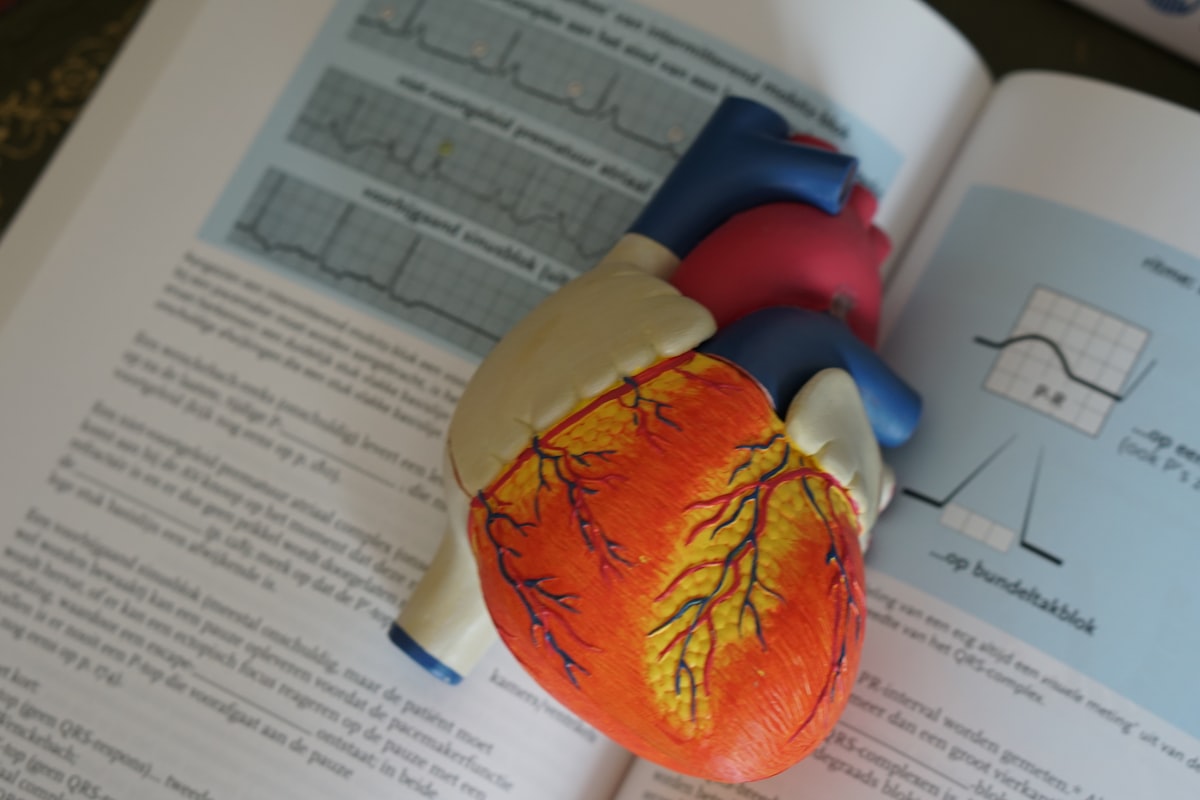
The 12 Hallmarks of Aging Explained Simply
A clear explanation of the 12 hallmarks of aging - the biological processes that drive aging, from telomere shortening to cellular senescence.
12 min read
Is Aging a Disease? The Scientific Debate
Is aging a disease? Explore the scientific debate over reclassifying aging, implications for research funding, and what it means for longevity.
9 min read
Mitochondrial Dysfunction and Aging
How mitochondrial dysfunction drives aging through energy decline and oxidative stress, plus what research says about restoring mitochondrial health.
9 min read
NAD+ and Sirtuins: The Science Behind Sinclair's Aging Research
A deep dive into the NAD+-sirtuin pathway, epigenetic noise, and how these molecular mechanisms may drive aging according to current research.
11 min read
Senescent Cells (Zombie Cells): Why They Matter
Understand what senescent cells are, how these zombie cells drive aging and disease, the SASP inflammatory response, and why clearing them may be key to longevity.
10 min read
Senolytics: The Science of Clearing Zombie Cells
Explore senolytic drugs that clear senescent zombie cells, from dasatinib-quercetin to fisetin, and what clinical trials reveal about their potential.
10 min read
Telomere Shortening and Aging: Complete Guide
Understand how telomere shortening drives the aging process, what research reveals about telomere biology, and evidence-based strategies to protect telomere length.
9 min read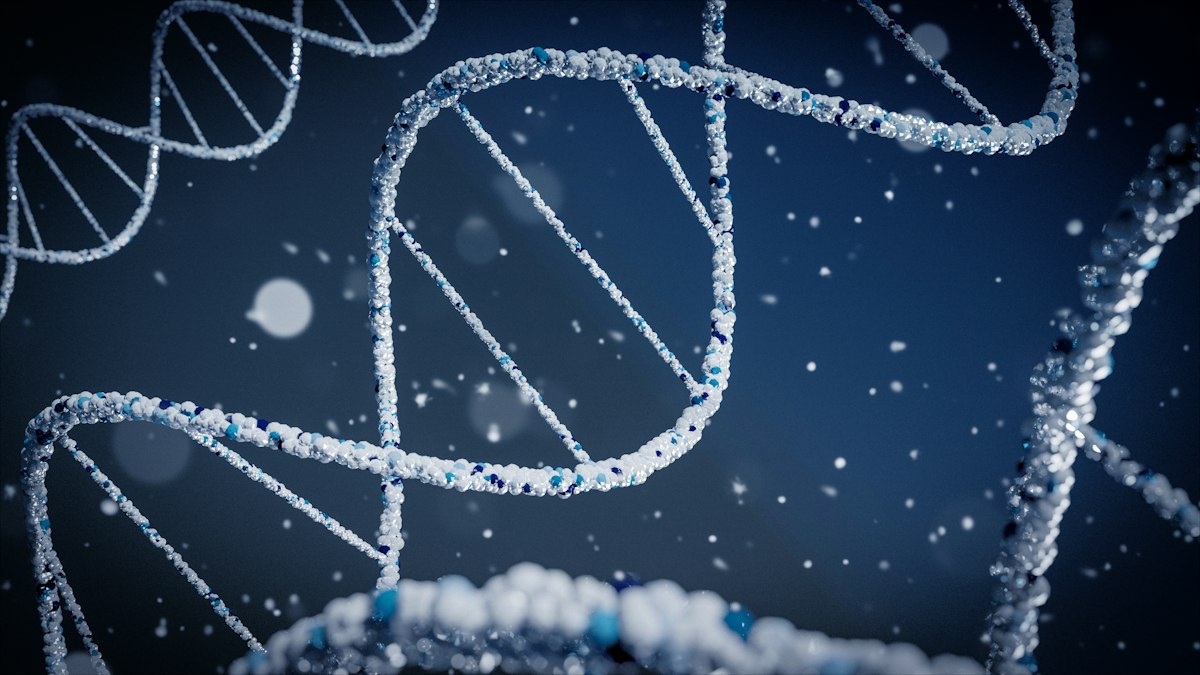
Epigenetic Alterations: How Your Genes Age Without Changing
Understand how epigenetic alterations drive aging through DNA methylation changes, histone modifications, and chromatin remodeling -- and what research suggests.
14 min read
Stem Cell Exhaustion and Aging: Why Your Regenerative Capacity Declines
Understand how stem cell exhaustion drives aging, the mechanisms behind regenerative decline, and emerging research on restoring stem cell function.
13 min readAutophagy and Aging: Your Body's Cellular Cleanup System
Explore autophagy, your body's cellular cleanup system, and its critical role in aging and longevity. Research suggests modulating autophagy may support cellular health.
12 min read
Genomic Instability and Aging: How DNA Damage Drives the Aging Process
Explore how genomic instability contributes to aging, the role of DNA damage and repair mechanisms, and emerging research on protecting genomic integrity.
15 min readInflammaging: How Chronic Inflammation Accelerates Aging
Explore inflammaging, the chronic, low-grade inflammation that accelerates aging and drives age-related diseases. Learn its mechanisms and how to combat it.
14 min read
Intercellular Communication Breakdown in Aging
Explore how the breakdown of intercellular communication, a hallmark of aging, contributes to age-related decline and disease, and potential interventions.
12 min readLoss of Proteostasis: When Protein Folding Goes Wrong
Explore how the loss of proteostasis, the cell's protein quality control system, contributes to aging and age-related diseases. Learn about emerging interventions.
12 min readTable of Contents
DISCLAIMER
This article is for informational purposes only and does not constitute medical advice. The statements in this article have not been evaluated by the FDA. The information presented is based on published research and should not be used as a substitute for professional medical guidance. Consult your physician before starting any supplement or health protocol.
Understanding Why We Age
Aging is one of biology’s most fundamental and complex processes. While we all experience its effects, the underlying mechanisms have only recently begun to be understood at the molecular level. This understanding is crucial for developing interventions that may slow, halt, or even reverse aspects of the aging process.
The Hallmarks of Aging
In 2013, researchers published a landmark framework identifying nine key biological processes that drive aging. This was expanded to twelve hallmarks in 2023, creating a comprehensive map of aging biology.
Genomic Instability
DNA damage accumulates throughout life from both internal (metabolic byproducts, replication errors) and external (UV radiation, toxins) sources. While cells have repair mechanisms, these become less efficient with age.
Telomere Attrition
Telomeres — protective caps at the ends of chromosomes — shorten with each cell division. When critically short, cells enter senescence or die, contributing to tissue aging.
Epigenetic Alterations
The epigenome — chemical modifications that control gene expression — changes with age, often activating genes that should be silent and silencing those needed for normal function. This “epigenetic drift” is one of the most measurable aspects of aging.
Cellular Senescence
Senescent cells stop dividing but resist death, accumulating in tissues and secreting inflammatory molecules (SASP) that damage surrounding cells. Clearing these “zombie cells” with senolytics is an active area of anti-aging research.
Mitochondrial Dysfunction
Mitochondria — the cellular power plants — become less efficient with age, producing less energy and more reactive oxygen species that damage cellular components.
The Interconnected Nature of Aging
These hallmarks do not operate in isolation. They form an interconnected network where dysfunction in one area amplifies problems in others, creating a cascade of aging that accelerates over time.